
Deal or No Deal? North Korea Warns it Has Limited Patience as U.S. Holds Out on Negotiations
Military Watch Magazine Editorial Staff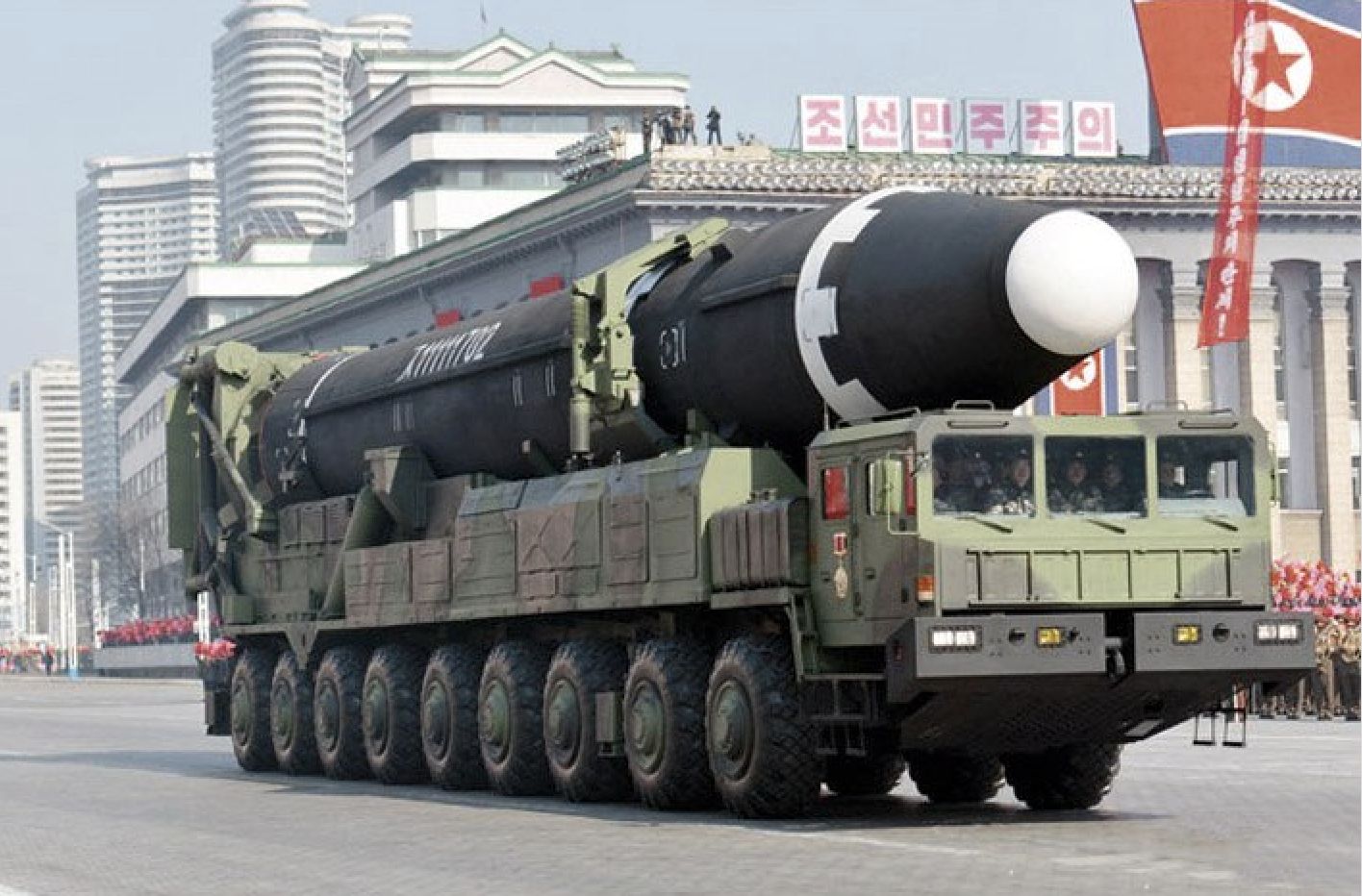
North Korean Hwasong-15 Nuclear Capable ICBM
Kwon Jong Gun, Director General for U.S. affairs at North Korea's Ministry of Foreign Affairs, has stated that his country will not wait indefinitely for new negotiations with the United States - following a stalling of diplomatic efforts in the aftermath of the failed Hanoi summit between the leaders of the two countries in February. The senior diplomat said to this effect: "The dialogue would not open by itself, though the United States repeatedly talks about resumption of dialogue like a parrot without considering any realistic proposal that would fully conform with the interests of both sides. If the United States is to move towards producing a result, time will not be enough." He further noted that the United States was "becoming more and more desperate in its hostile acts,” likely referring to extended sanctions imposed by the White House on the country. Director General Kwon accused the United States of dodging negotiations, reiterating that Pyongyang’s patience was limited with 80% of its economy currently under sanctions.
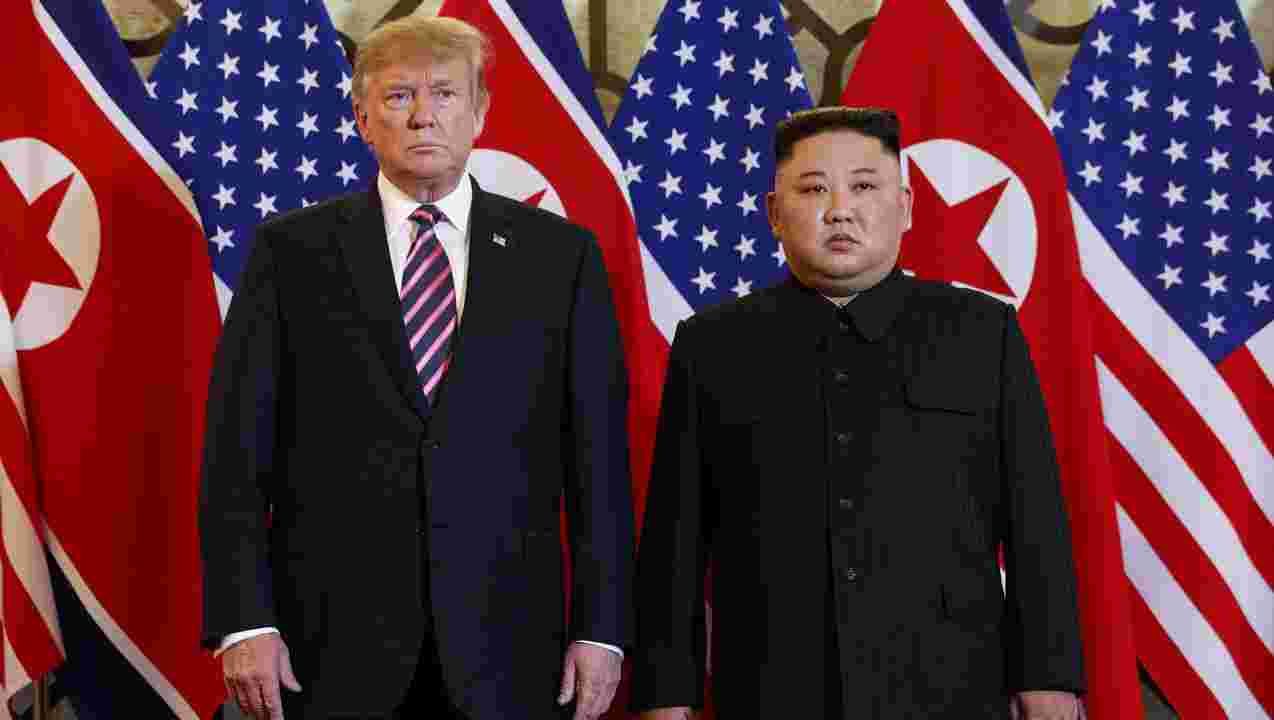
Regarding the American position in negotiations, with which the Northeast Asian state has expressed growing frustration, the Director General stated: "It would be difficult to look forward to the improvement of bilateral relations and denuclearization of the Korean Peninsula as long as American politics are dominated by the policy-makers who have an inveterate antagonism towards the DPRK. If anyone dares to trample over our sovereignty and the right to existence, we will never hesitate to pull a muscle-flexing trigger in order to defend ourselves." He was particularly critical of the position of the U.S. Secretary of State Mike Pompeo, who was accused of “sophistry” and of “viciously slandering” the Korean state. North Korean officials have previously requested that they be allowed to negotiate with officials other than Pompeo due to his immaturity - a sentiment expressed by diplomats of several countries which have dealt with the American official.
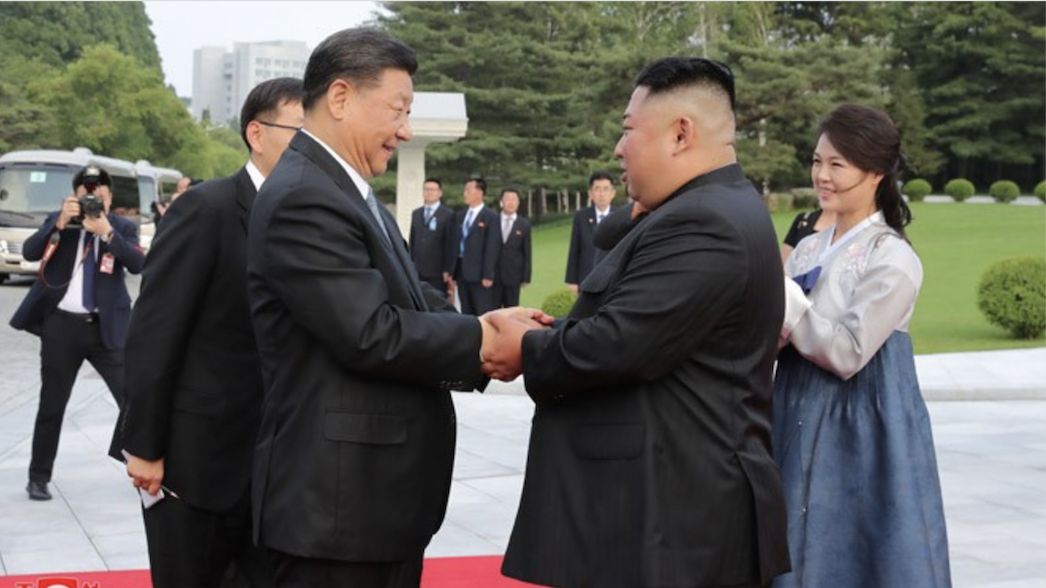
North Korean Leader Kim Jong Un in April gave the United States a deadline of January 2020 to return to the negotiating table in good faith beforethe country would have to resume nuclear and strategic ballistic missile testing, although Washington has remained unresponsive. Renewed criticisms come following a visit by Chinese Premier Xi Jinping to Pyongyang, in which he promised full support for the DPRK. It was widely speculated that the two countries agreed to strengthen cooperation in economic affairs and in defence.
Pyongyang has attempted to have Western drafted economic sanctions, imposed in 2016 and 2017 through the United Nations, lifted in exchange for access to a number of its nuclear facilities. The country appears to be under no illusion, however, that even full denuclearisation and disarmament would lead to a lifting of Western sanctions - which will be imposed indefinitely under a wide range of pretexts. While North Korea currently remains under sanctions, it has halted testing of strategic ballistic missiles and of nuclear warheads and destroyed a key nuclear testing site - major concessions made to the Western Bloc to facilitate negotiations. The country did so, however, after successfully developing two intercontinental range ballistic missiles capable of striking the U.S. mainland and a thermonuclear warhead capable of being mounted on them. These alongside shorter ranged tactical platforms are currently being produced on a large scale to strengthen the country’s defences. Whether the United States will agree to partially lift sanctions in exchange for limited access to nuclear sites and possibly a cap on the size of the Korean arsenal remains uncertain.
