
Could Iran’s Pledge to Reinforce Syria’s Air Defences Be a Game Changer? Bavar-373 and Khordad 15 May Soon Guard Damascus
Military Watch Magazine Editorial Staff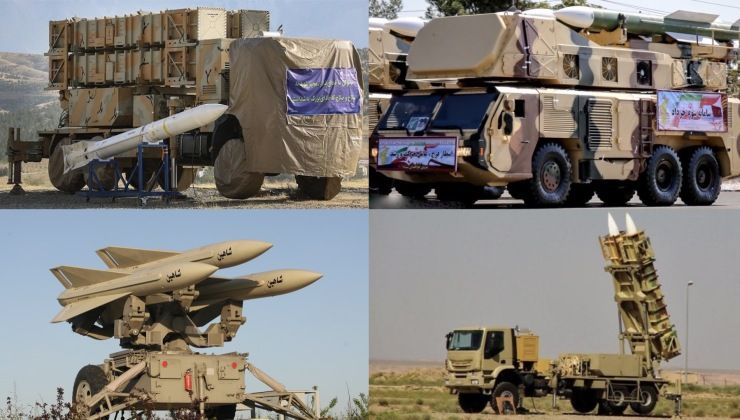
Khordad 15, 3rd Khordad, Bavar 373, Mersad Iranian Air Defence Systems
The Chief of Staff of Iran’s armed forces General Mohammad Hossein Bagheri has finalised an agreement on air defence cooperation with the country's leading defence partner in the Arab world, the Syria Arab Republic. This followed a meeting with Syria President Bashar Al Assad in Damascus, which according to the president was made on the basis of “years of cooperation for confronting terrorism” in the country following a major insurgency by Islamist militants which began in 2011. General Bagheri said the agreement “will improve the determination of the two nations to confront U.S. pressures,” but did not elaborate further. Iranian forces have had a presence in Syria and contributed to counterinsurgency efforts since its earliest days, and alongside North Korean and Hezbollah units they provided Damascus with its only major support at a time when insurgents were receiving considerable funding and arms from Arab Gulf States, Turkey and the Western Bloc nations. Although Russia intervened in Syria in 2015 and assisted the push back against jihadist militant groups, it has in most cases allowed airstrikes against Syrian and Iranian targets by neighbouring countries such as Israel and Turkey - as well as those carried out by NATO member states on a number of occasions. Airstrikes targeting Syrian forces have violated international law and lack approval of either Damascus or the United Nations Security Council, but have continued to take place regardless.
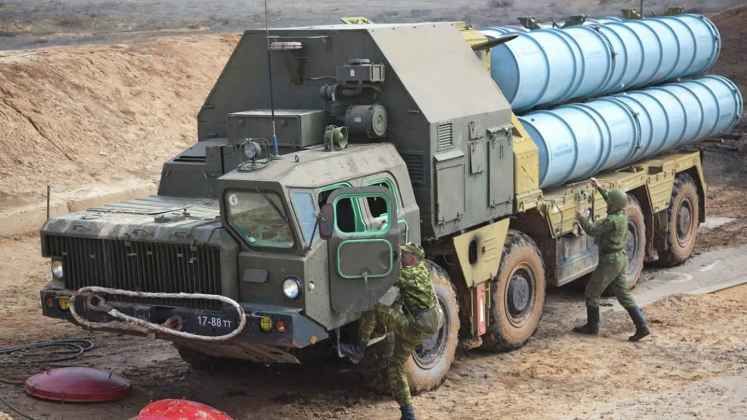
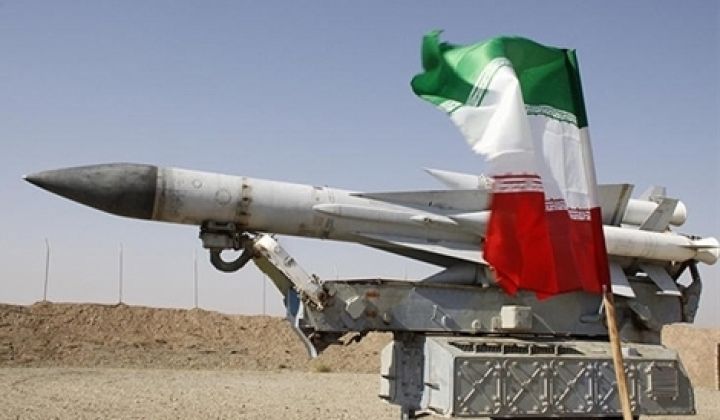
Syrian air defence sites were notably specifically targeted from the outset of the conflict by jihadist militias, which combined with a reorientation of the Syrian Air Force towards an air to ground role for both strategic and tactical attacks on insurgent positions has left the country in a poor position to defend its airspace. Prior Syrian requests in the late 2000s and early 2010s to acquire more advanced aerial warfare systems from Russia, including MiG-31 Foxhound interceptors and S-300PMU-2 air defence systems, were reportedly blocked by Moscow due to Israeli pressure which ensured that the Israeli Air Force as well as that of Turkey could continue to access Syrian airspace relatively unimpeded. Syria’s current air defence network has succeeded in intercepting cruise missile strikes with high consistency, and the few S-200 long range systems it has in service have on at least one occasion downed Israeli aircraft violating the country’s airspace. Their reliability in the latter role, however, is far from high, and the S-200 was primarily designed to engage support aircraft such as AEW platforms rather than fighters from the outset.
Other than the ageing S-200 system, Syria lacks any long range air defence systems whatsoever capable of countering Israeli or Turkish incursions into its airspace. While the country does deploy the S-300PMU-2, a highly sophisticated platform which can engage targets at ranges exceeding 200km and at speeds exceeding Mach 14 if equipped with the latest missiles, these have remained under Russian supervision since their delivery in 2019. With Moscow unwilling to risk a diplomatic risk with either Tel Aviv or Ankara on behalf of its ally, the S-300 has remained inactive despite multiple airstrikes on Syrian territory. Possible reasons for this are many, including denying adversaries the opportunity to test the S-300’s capabilities and develop effective countermeasures which could seriously undermine its effectiveness - and that of its counterparts in Russia’s own air defence forces - in the long term. Keeping this system in reserve in case of a larger and more consequential air attack or a more total conflict with Syria’s neighbours may thus be the optimal strategy to which Damascus itself may have assented. The deployment of the system has notably led to a decline in the frequency of Israeli air attacks.
Iran boasts a number of long and medium ranged air defence systems which have the potential to seriously enhance Syria’s air defences without forcing Damascus to rely on the S-300, including the 3rd of Khordad platform at the medium end which downed an American MQ-4 Global Hawk drone worth over $200 million and in full stealth mode in the summer of 2019. Iran’s most prolific long ranged systems include the Bavar-373, which the Iranian Defence Minister Ahmad Vahidi referred to the platform as "a long range air defense missile system similar to S-300" and which is thought to have similar capabilities to early S-300 variants. The system was unveiled in the early 2010s, and has since been improved with upgraded variants having a reported range of 200km. Its electronic warfare countermeasures are thought to be inferior to those of the S-300, its missiles are considerably slower and unable to exceed Mach 9 speeds, and it can only engage a fraction of the number of targets simultaneously. A newer Iranian long range system is the Khordad 15, which reportedly uses several of the same missiles as the Bavar system and has the same maximum range. The system can reportedly track up to 6 targets simultaneously, and was designed to engage stealth targets which Iranian media claims it is capable of doing at shorter ranges.
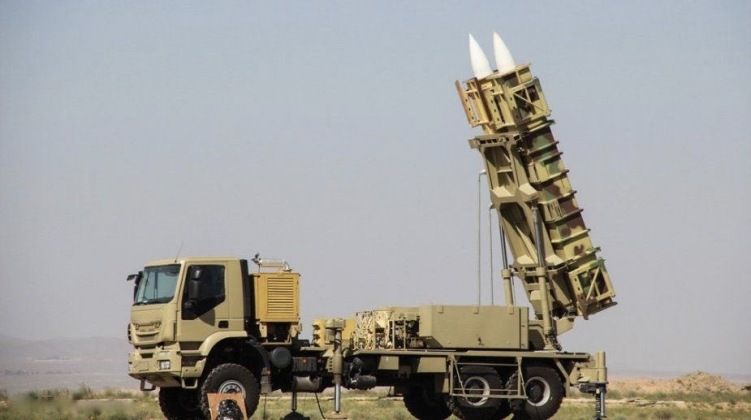
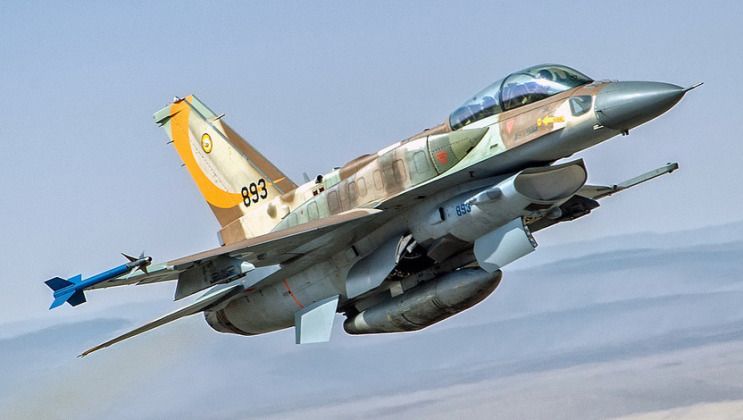
Unlike Russian, North Korean and Chinese air defence systems, Iranian platforms notably lack cold launch systems meaning missiles are not launched vertically and cannot engage targets in all direction. Like Western air defence systems, they therefore have a much more limited arc of fire. They nevertheless represent a potentially major game changer for the balance of power over Syrian skies as conflict in the country continues to deescalate. The price Damascus will pay for the deployments remains uncertain, and could come in the form of either allowing for a larger Iranian military presence on its soil, or else in direct payments which will likely be much cheaper than purchasing their Russian counterparts in any event. It is notable that Iranian air defence systems are designed to work as part of networks alongside Russian systems, meaning that should the S-300 become active it could share targeting data with and effectively complement the Iranian platforms. Although insurgents on the vast majority of Syrian territory have been defeated, ongoing low level hostilities in Idlib province near the Turkish border, which is currently under the protection of the Turkish military and held by Al Qaeda linked jihadist militants, could escalate at any time. The presence of Iranian air defences could provide a highly effective counter to Turkish air attacks, particularly given that electronic warfare systems on Turkish fighters are considered inferior to those on Israeli ones and that Turkey relies on the ageing and non-stealthy F-16 platform and a range of non-stealthy attack drones.
