
Syrian Defences Intercept Israeli Missile Strike on Damascus; Balance of Power in the Sky Continues to Shift
Military Watch Magazine Editorial Staff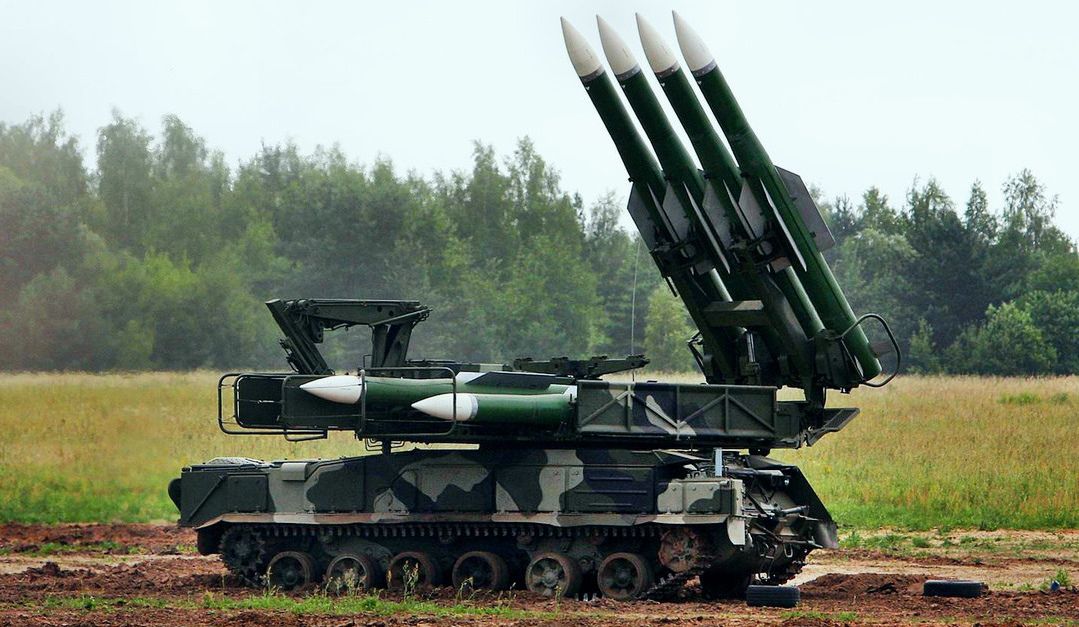
BuK-M2 Surface to Air Missile Battery
On January 20th the Israeli Air Force launched a strike on an airport in Southern Damascus as part of its ongoing campaign to undermine Iranian efforts to gain a military foothold in the country. The attack was reportedly intercepted by Syrian air defences with seven missiles shot down before they reached their targets. Four F-16 Fighting Falcons, fourth generation lightweight multirole jets which comprise the mainstay of the Israeli fighter fleet, were responsible for carrying out the attack. Though they types of munitions remain unknown, they were precision guided and capable of striking targets at standoff ranges. While the Israeli fighters themselves remained well beyond the range of Syrian air defences, striking from over the Mediterranean Sea, the country’s Russian supplied BuK-M2 an Pantsir air defence systems were capable of striking the missiles once they entered Syrian airspace - avoiding casualties or damage to the targeted airport.
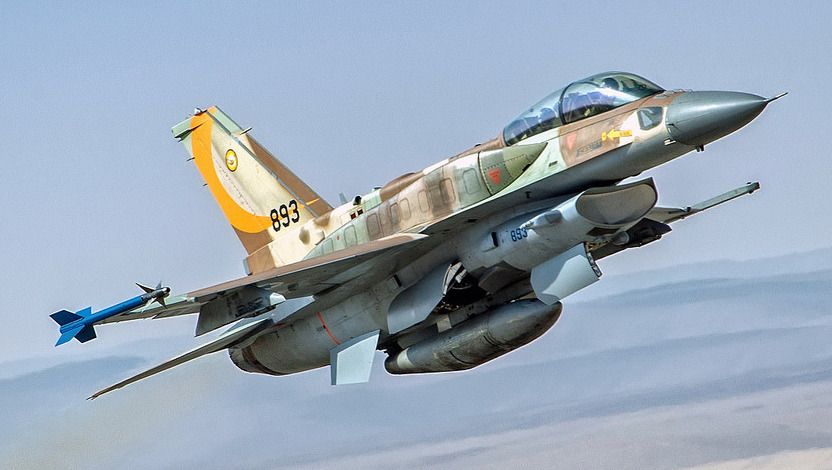
Israeli Air Force F-16 Fighting Falcon
The Israeli Air Force has increasingly been forced to rely on deploying air launched standoff munitions from beyond Syrian airspace to strike strategic targets in the country as Syria’s air defences have continued to strengthen. Lebanese airspace has been the most common site from which such strikes are launched. In one of the few recent cases which saw Israeli fighter jets enter Syrian airspace, the aircraft reportedly made use of U.S. Air Force transponder signals to disguise themselves as American combat jets in the spring of 2018 - allowing them to enter Syrian airspace unnoticed through Jordan and Iraq. Other incidents have seen Israeli jets operating just off the Syrian coast make use of a Russian Il-20 surveillance aircraft as cover - though this led to the Russian aircraft being shot down in September 2018 much to the ire of the Russian Defence Ministry.
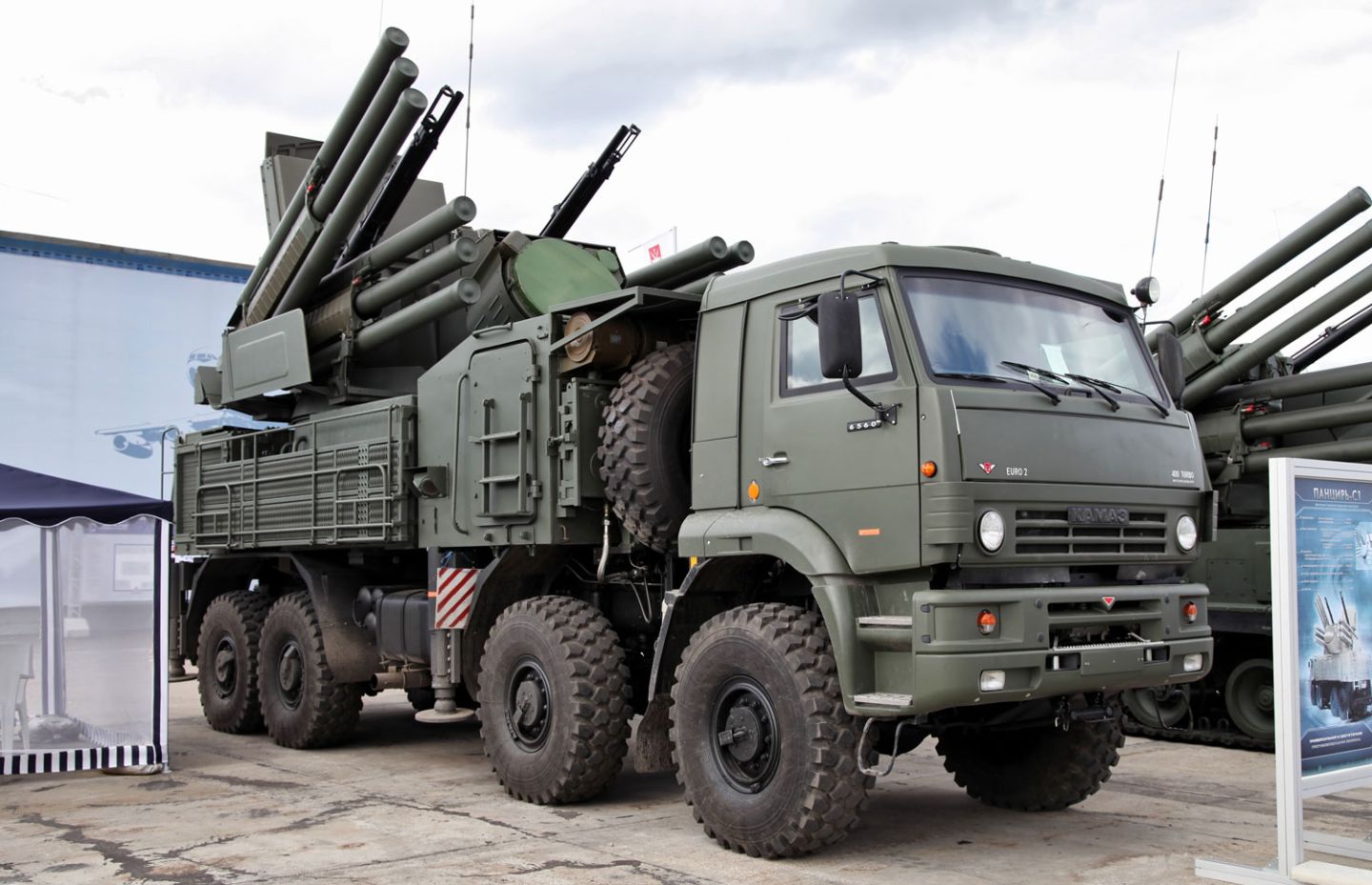
Pantsir Air Defence Combat Vehicle
The increased danger faced by Israeli assets as Syrian air defences have continued to strengthen has led to a considerably reduced frequency at which strikes are carried out even at standoff ranges. The BuK-M2 and Pantsir systems represent the most advanced air defence systems confirmed to be in active service in the Syrian Air Defence Forces, and while longer ranged S-300PMU-2 missile systems have been delivered it is uncertain whether these are yet fully operational. While the Syria Air Force was previously considered one of the most capable in the Middle East, and was capable of challenging Israeli combat jets in the air with its own fighters, the collapse of the Soviet Union and termination of Soviet military aid combined with Israeli pressure vetoing the sales of high end combat jets such as the MiG-31 Foxhound have forced the country’s armed forces to rely heavily on asymmetric means to defend its airspace - namely the use of a vast network of surface to air missile systems. As this network has continued to grow more sophisticated, shooting down an Israeli F-16 Fighting Falcon in February 2018, the risks of carrying strikes against Syrian targets has continued to grow.
