
Chinese J-15 Carrier Based Fighters Deploy New Ramjet Missiles in Long Range Ship Hunting Configuration
Military Watch Magazine Editorial Staff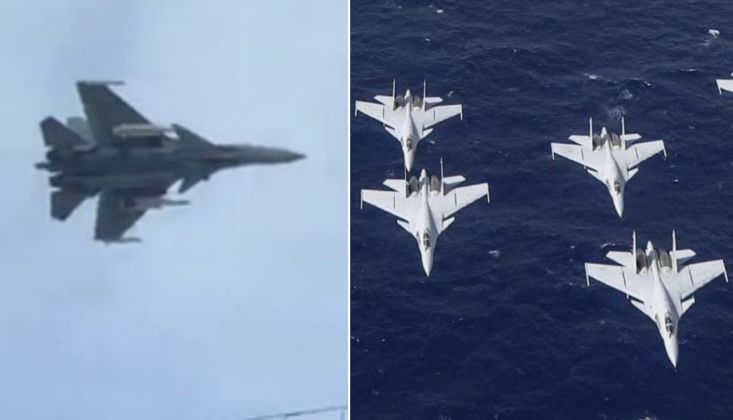
J-15 with YJ-15 Cruise Missiles (left) and J-15s Operating From Carriers Liaoning and Shandong
A Chinese People’s Liberation Army Navy J-15 carrier-based fighter has for the first time been seen integrating the new YJ-15 anti-ship cruise missile, with a pair of the missiles seen carried under the aircraft’s wings. This follows longstanding speculation since the J-15’s entry into service in 2012 that the aircraft could be equipped with new generations of anti-ship missiles to support the Navy’s transition from a coastal defence-oriented force, into one capable of sustained blue water operations to challenge Western Bloc sea control in the far seas. The new enhanced J-15B variant confirmed to have entered service in 2024 is by far the longest ranged carrier-based fighter operational anywhere in the world, and is well optimised for maritime strike roles. Its capabilities are particularly potent when operating from the new supercarrier Fujian, the electromagnetic catapult launch systems of which allow for takeoffs at higher weights meaning more fuel and heavier weapons loads can be accommodated.
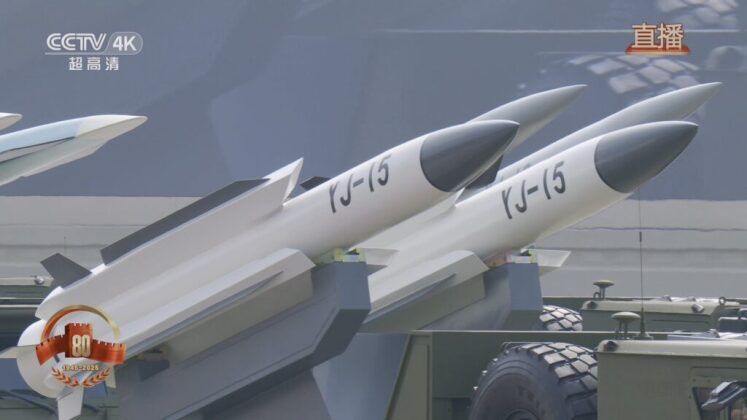
The YJ-15 was first unveiled during the Victory Day Parade on September 3, 2025, and is a supersonic ramjet powered design thought to be loosely based on the larger YJ-12. The missile has a similar four-inlet design to the YJ-12, and is estimated t have a similar speed of around Mach 4, with its smaller size allowing it to be carried by fighter-sized aircraft, where air-launched variants of the YJ-12 were carried by H-6 bombers with far greater carrying capacities. The YJ-15 can be distinguished from other air-launched cruise missile types by its three pairs of wings, including leading-edge extensions in the front, and rectangular tail fins on the air intake, and rectangular tail fins on the nozzle. It has been speculated that the missile may be intended as a stopgap until a more advanced hypersonic missile type can be brought into service, with Chinese destroyers, submarines and bombers all having already begun to integrate hypersonic anti-ship missiles.
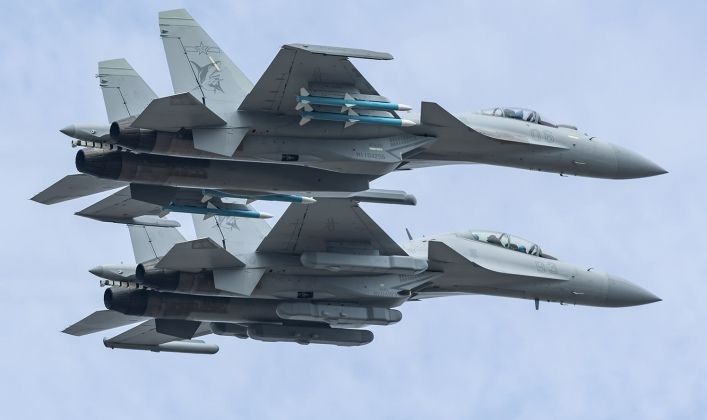
The J-15 is a derivative of the Soviet Su-27 Flanker air superiority fighter, which China has very heavily enhanced domestically to provide distinct superiority over Russian built aircraft. The J-15B variant makes higher use of more advanced composite materials for a lighter and more durable airframe, integrates a more advanced AESA radar which is one of the largest carried by any fighter type in the world, and uses advanced stealth coatings and some of the world's most sophisticated avionics and electronic warfare systems. The aircraft’s higher weapons carrying capacity than the new lighter J-35 carrier-based fifth generation fighter is expected to lead it to be assigned the majority of long range anti-shipping roles. J-15 fighter operations are expected to rely heavily on support for J-15D electronic warfare aircraft, which can provide considerable protection against beyond visual range attacks, while also masking fighters from radar detection.
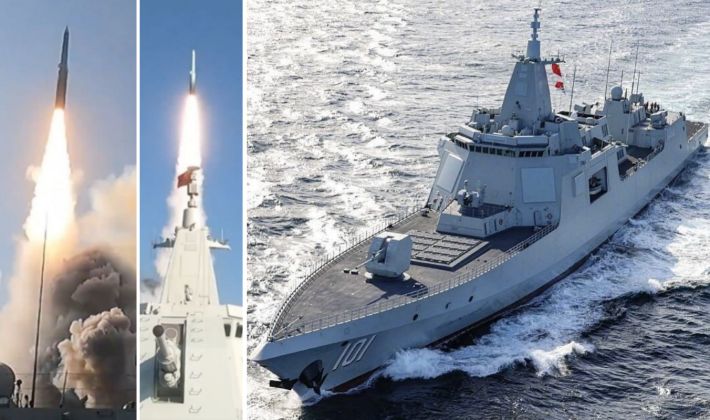
J-15 fighters equipped for anti-ship operations with the new YJ-15 missile are expected to integrate into wider carrier strike groups, which include multiple other types of anti-ship armaments and supporting sensors. Operating alongside Type 055 class destroyers, for example, which are frequently deployed to escort Chinese carriers, the fighters may use targeting data from the warships’ unique dual band radar systems that are optimal for over the horizon tracking of enemy vessels. J-15 formations delivering YJ-15 salvoes could operate in highly complementary ways alongside the YJ-18 and YJ-20 anti-ship missile arsenals of Chinese destroyers, as well as the YJ-21 hypersonic anti-ship ballistic missiles carried by supporting H-6 bombers, and the growing range of anti-ship missiles deployed by submarines such as the new hypersonic YJ-19. The Pentagon in December provided unprecedented insight into how China’s missile arsenals could be utilised to achieve a high probability of success in sinking even the newest and most capable U.S. Navy carrier groups.
