
Chinese Carrier Liaoning Leads Last Strike Group Past Japan for Western Pacific Exercises
Military Watch Magazine Editorial Staff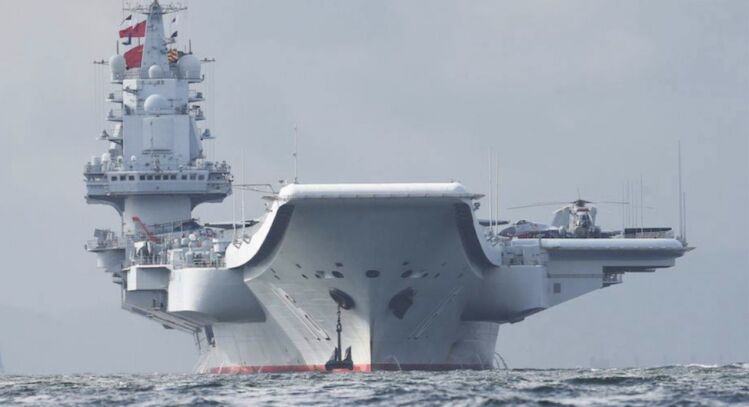
Chinese Carrier Liaoning
The Chinese People’s Liberation Army Navy aircraft carrier Liaoning and its accompanying task group have deployed to the western Pacific for a new round of training, continuing efforts to improve far seas operational capacities. The deployment began on October 14 and forms part of the navy’s annual training program, according to an official statement reported by Chinese state media. The Navy said the exercises were intended to test and improve the group’s combat-oriented training and strengthen its ability to fulfil operational missions. The carrier was accompanied by a Type 075 helicopter carrier, two Type 055 destroyers, and a lighter Type 052D destroyers, alongside other smaller vessels.
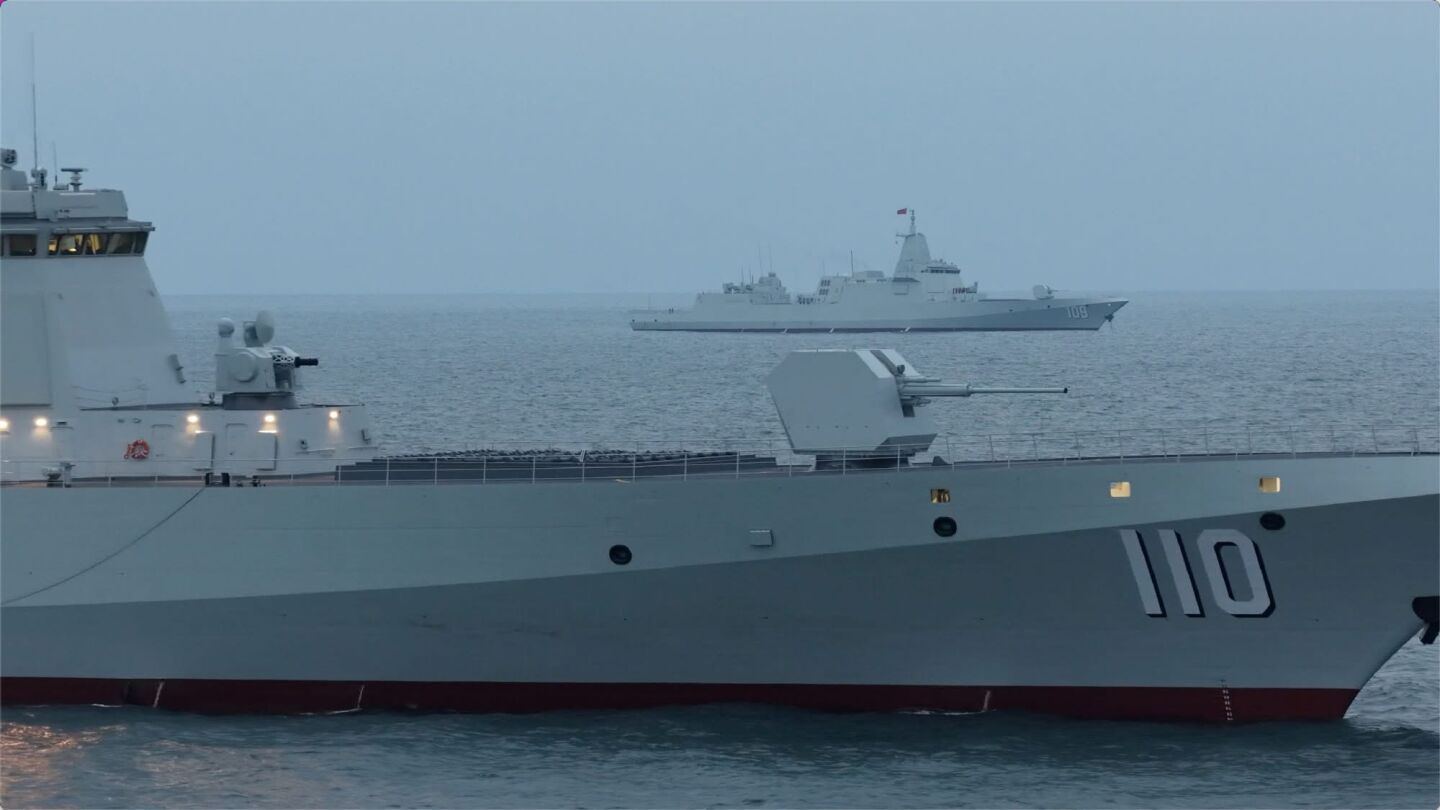
The latest deployment follows an extended period of training earlier this year. In June, the Liaoning and its accompanying vessels returned to port after more than 40 days of exercises in the South China Sea and western Pacific. The extended duration demonstrated the navy’s ability to sustain operations across multiple maritime areas, requiring coordination between the carrier, its escorts and embarked aircraft. Such deployments also provide opportunities to improve flight-deck procedures, air-defence coordination and the protection of the carrier against aerial and maritime threats. Far seas operations present different challenges from conducting exercises closer to China’s coastline, as carrier groups must coordinate aircraft operations over extended distances while maintaining protection against hostile submarines, surface vessels and aircraft. They must also manage communications, surveillance and logistics without relying as heavily on the support infrastructure available closer to home. Training in these conditions can help the PLAN improve its ability to conduct sustained operations across the wider western Pacific.
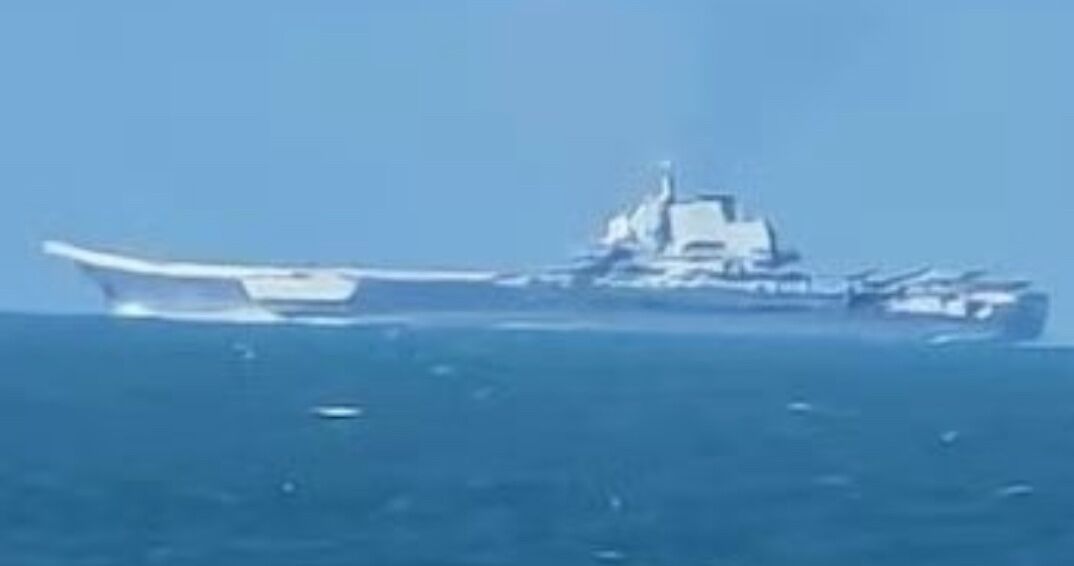
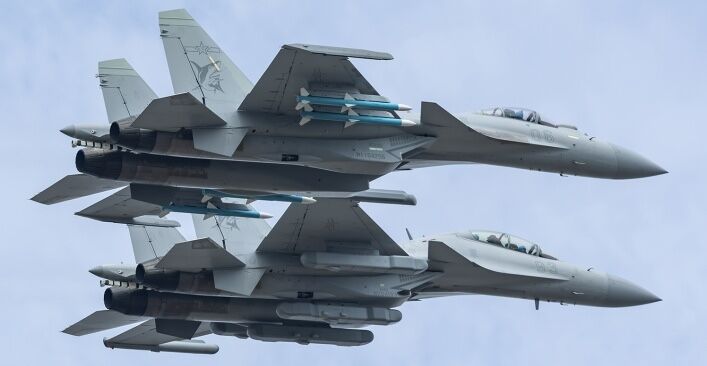
The Liaoning is one of the largest aircraft carriers outside the U.S. Navy, and has on multiple occasions demonstrated the ability to launch rapid sorties near major targets. In May 2022, for example, the Liaoning launched over 100 sorties near U.S. military facilities in Okinawa. The carrier was deployed for intense exercises from December 2025, with the warship’s air wing on December 7 having begun training flights in the Pacific Ocean, after the carrier task force passed through waters off Japan's southernmost prefecture of Okinawa. J-15 fighters operating from the carrier reportedly formed radar locks on Japanese F-15 fighters over international waters southeast of Okinawa twice on December 6, causing serious concern in Japan due to the vast superiority demonstrated by the Chinese aircraft.
These engagements took place following a significant rise in tensions between the two states. The Liaoning was subsequently deployed on April 20 to sail through the Taiwan Strait, in response to the deployment of the Japanese Murasame class destroyer JS Ikazuchi to itself transit the strait on April 17. In late April the Liaoning led a larger carrier task force for operations in the South China Sea, holding exercises near the Philippines. In June state media outlets reported that the Liaoning’s carrier group had encountered repeated close-range harassment by Japanese forces during exercises, as Japanese vessels and aircraft repeatedly conducted close-range tracking, surveillance and provocative actions while the Liaoning carrier group maintained a high state of alert throughout its time at sea. These claims follow reports Japanese destroyer JS Asahi monitored the Liaoning carrier group, and was involved in an engagement with the Type 054B class frigate Luohe during operations.
