
China’s Ultra-Manoeuvrable Sixth Generation Tailless Fighter Demonstrates Extreme 90 Degree Turn Capability
Military Watch Magazine Editorial Staff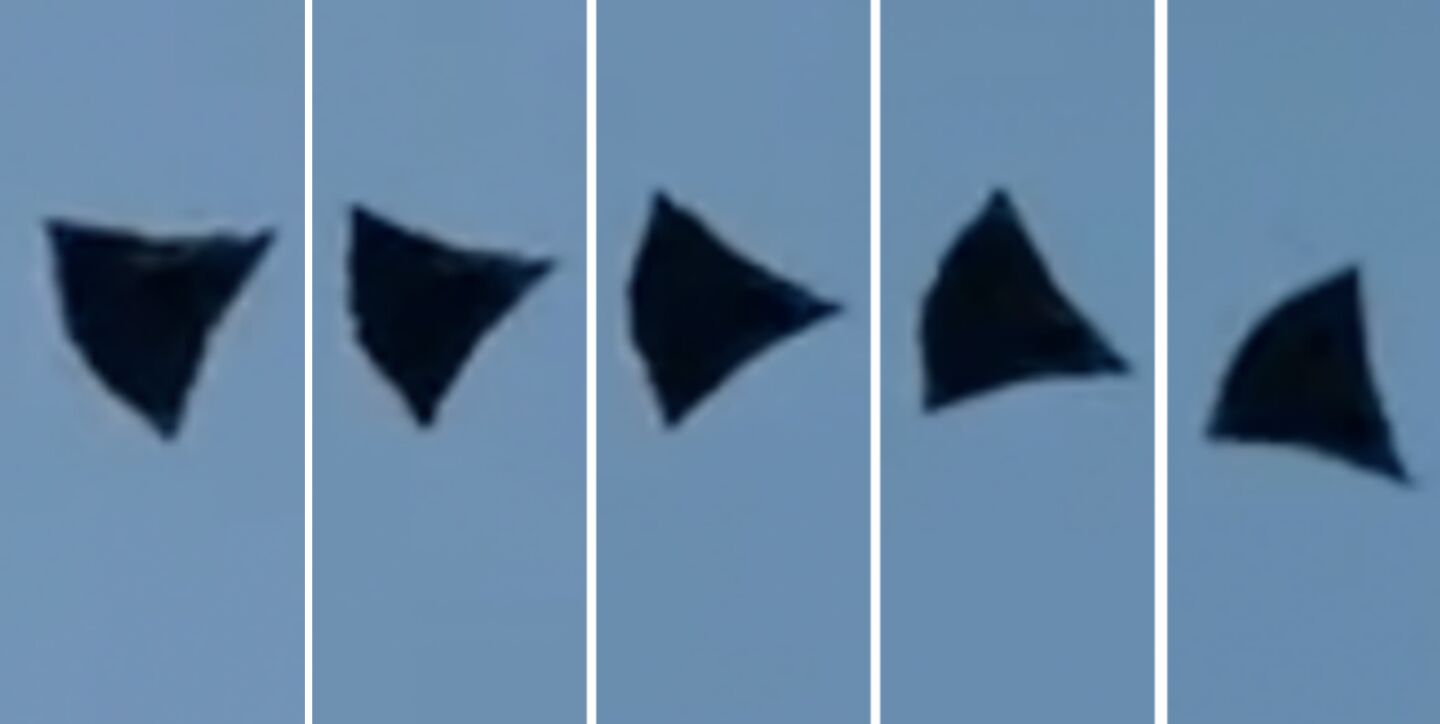
China’s Chengdu Sixth Generation Fighter Makes 90 Degree Turn in Under Two Seconds
New footage of the Chinese sixth generation fighter under development by the Chengdu Aircraft Corporation has shown the aircraft making a sharp 90 degree turn in under two seconds, highlighting the extreme degree of manoeuvrability the design has achieved. First unveiled in December 2024, when it was the first sixth generation fighter ever shown in flight testing, the fighter has stood out for its very large size, allowing it to accommodate a particularly heavy radar and high weapons payload and supporting a very long range. While there were initially significant questions raised regarding its flight performance, footage from June 2026 has shown an extreme level of manoeuvrability. The latest footage is the first to show the aircraft making sharp turns, however, which is particularly challenging due to its tailless design.
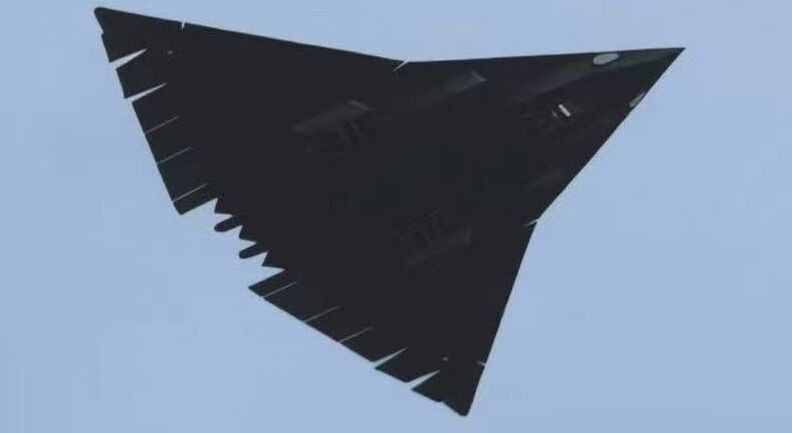
The lack the horizontal tailplanes that conventional fighters use to control pitch, provide stability, and generate rapid changes in attitude, has made achieving high levels of manoeuvrability particularly challenging for designs like that developed by Chengdu. Achieving this has significant benefits, however, primarily that tailless designs can achieve far lower radar cross sections, and remain undetectable against high waveband radars in ways that fifth generation stealth fighters like the F-35 and J-20 cannot. Designers are thought to have developed highly sophisticated flight-control software and control surfaces integrated into the wing to compensate for the lack of horizontal tailplanes. Integrating sophisticated flight-control software and control surfaces integrated into the wings are key to making the aircraft controllable, particularly during aggressive manoeuvres.
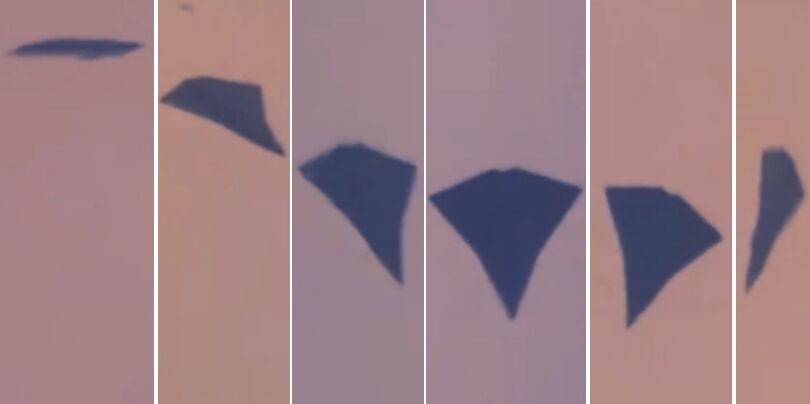
The development of a fighter with control surfaces that can provide sufficient manoeuvrability to compensate for the lack of horizontal tailplanes is outstandingly challenging, and was only confirmed to have ever been achieved with the release of footage of Chengdu’s fighter in flight testing in June. China is thus the only country known to have flown a high manoeuvrability sixth generation fighter, and has three tailless fighter types at prototype stages, of which that developed by Chengdu is the heaviest. The United States is expected to develop sixth generation fighters under the F-47 and F/A-XX programs, although both remain years away from flight testing. Delays developing the F-47’s engines mean the aircraft is not expected to be able to demonstrate a high flight performance until the early 2030s, with the aircraft planned to initially fly with an interim engine.
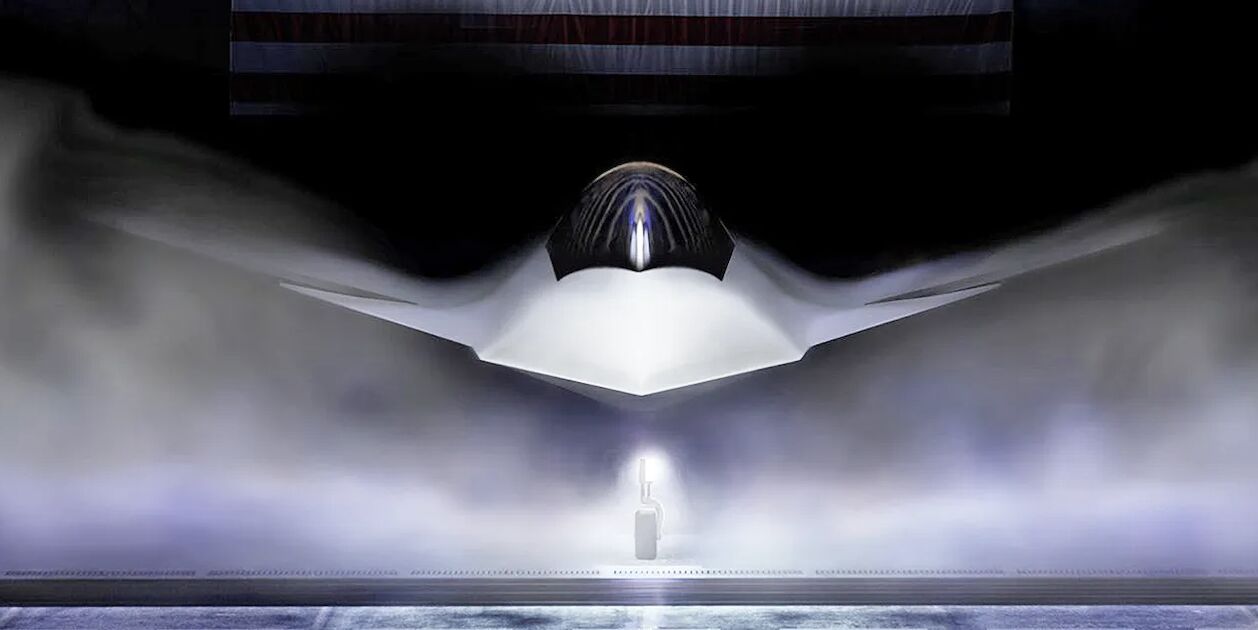
Significant questions remain regarding the United States’ ability to develop a tailless fighter with comparable levels of stealth and manoeuvrability to its Chinese rivals. The sole official artwork of the F-47 that has been released indicates that it uses canards, apparently to compensate for the lack of vertical tails, which while not obstructing fifth generation level stealth capabilities, is not expected to deliver a comparable stealth performance to the new Chinese fighters. U.S. fighter programs are expected to face growing strain due to the country’s increasingly constrained defence budget, particularly as the ongoing war effort with Iran places further strain on funding. The immense costs of developing very high performing sixth generation fighters means that no countries other than China and the Untied States are expected to develop them for the foreseeable future.
