
Japan and Britain’s New GCAP Fighter is Exceptionally Large and Expensive: Tokyo’s Range Requirements Raise Costs
Military Watch Magazine Editorial Staff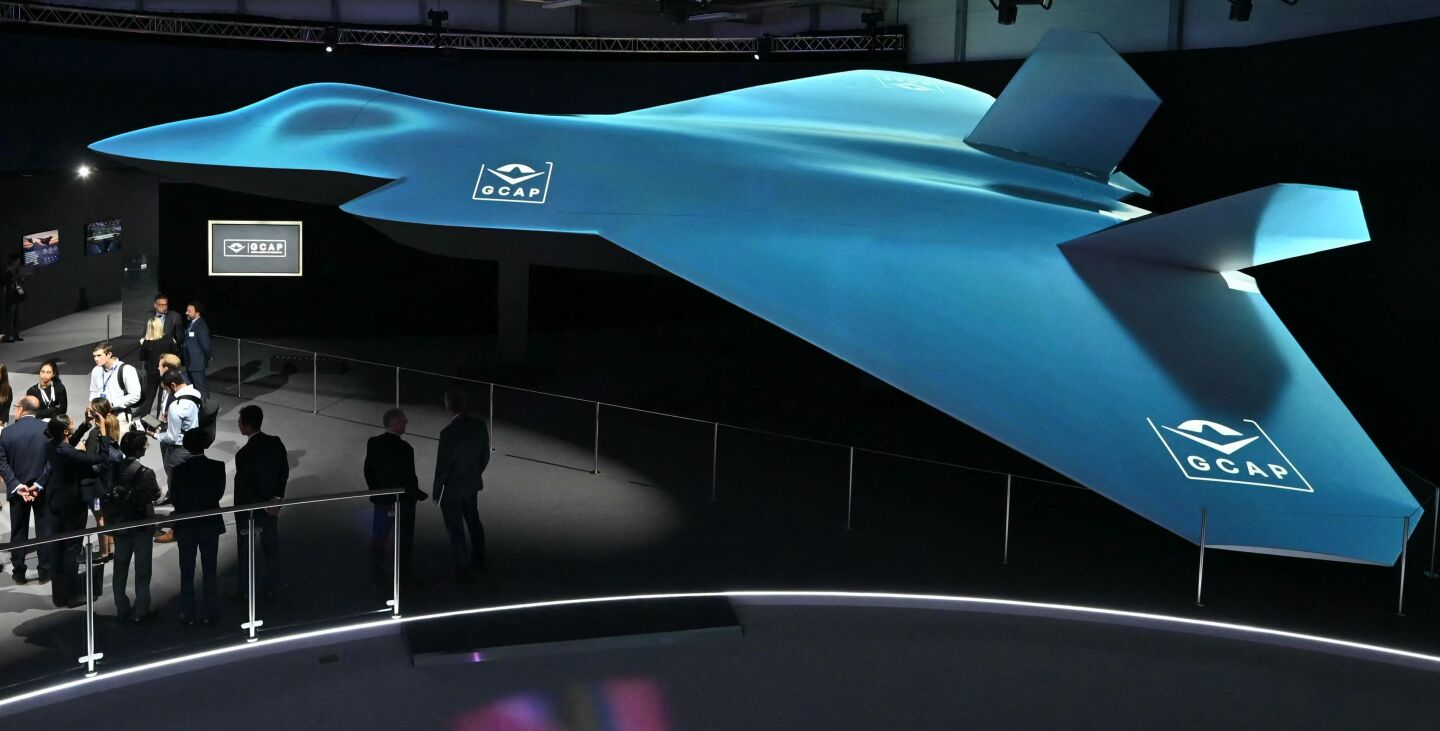
GCAP Fighter Model
Japan’s requirements for the Global Combat Air Programme (GCAP) have helped drive the development of an unusually large fighter, reflecting Tokyo’s need for substantially greater range, weapons capacity and endurance than anything previously co-developed by European states. Rather than simply developing a more advanced successor to the F-2, Japan has sought an aircraft capable of operating across the very wide distances of the Western Pacific while carrying large numbers of long-range weapons and maintaining the sensor and electronic-warfare capabilities required to operate in heavily contested airspace. The result is a much larger and more costly fighter than would otherwise have been the case had Japan not joined the program.
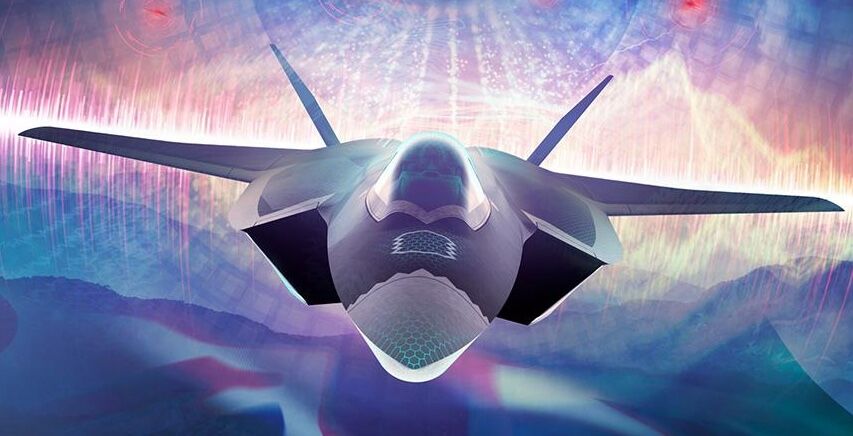
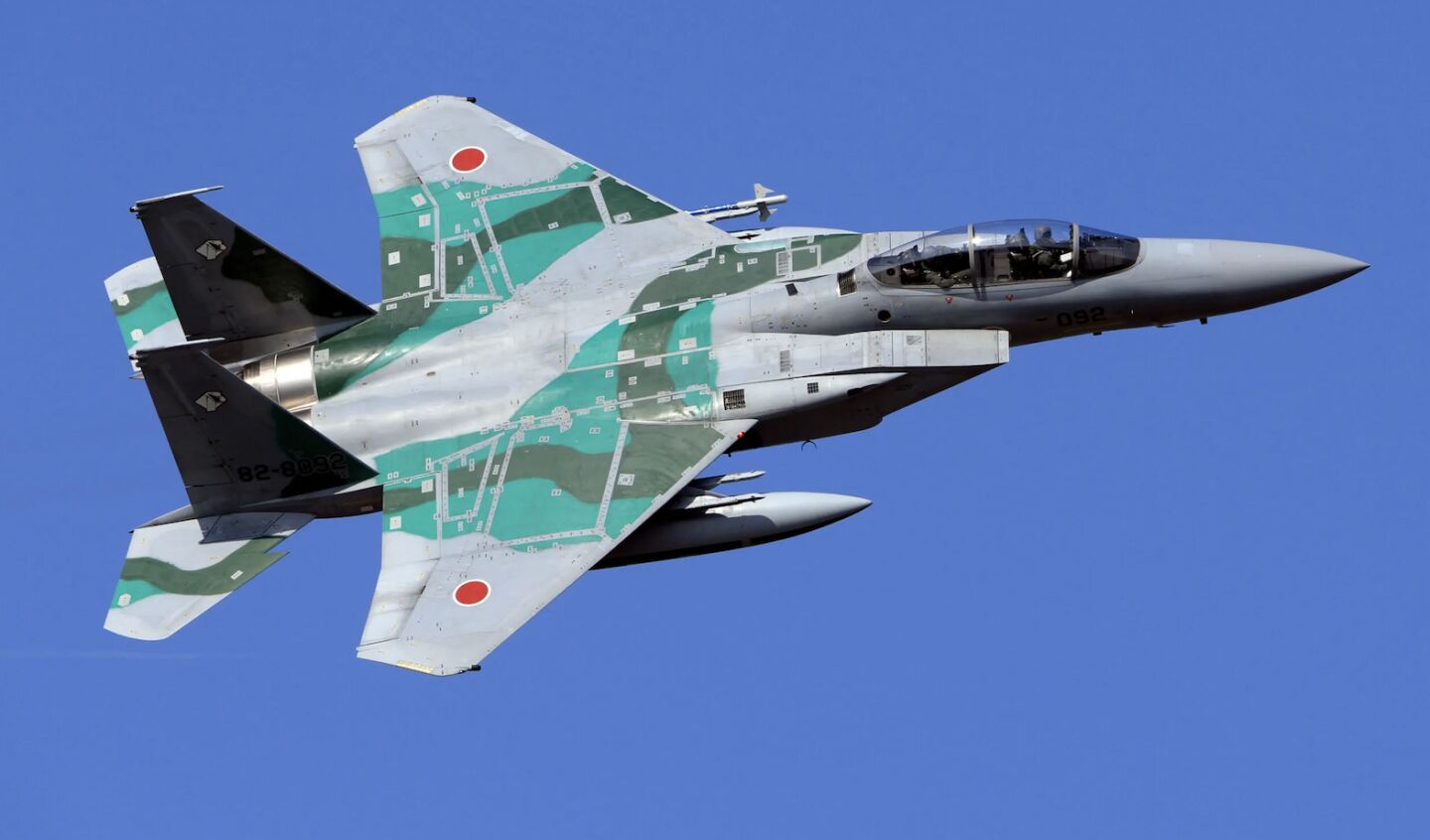
GCAP’s configuration displayed publicly at the Farnborough Airshow in 2024 was estimated by the Royal Aeronautical Society to be approximately 20 meters long with a wingspan of around 16.5 metres. Its wing area was estimated at approximately 1,200 square feet, making it around one-third larger than the Eurofighter. This makes the GCAP highly suitable to replace the F-15 in Japanese service, which is currently the longest ranged fighter type in the Western world. European states, however, have never operated similarly large, maintenance intensive and long range fighter types.
For Japan, this size is closely connected to geography. The country is an archipelago extending thousands of kilometres from the northern Pacific to the East China Sea, while many of the areas that the Japan Air Self-Defence Force could be required to patrol or defend are far from its main air bases. Potential operations around the Nansei Islands, the East China Sea and approaches to Taiwan therefore place a premium on unrefuelled range and persistence. A fighter designed primarily for short-range tactical operations over continental Europe would be poorly suited to these circumstances.
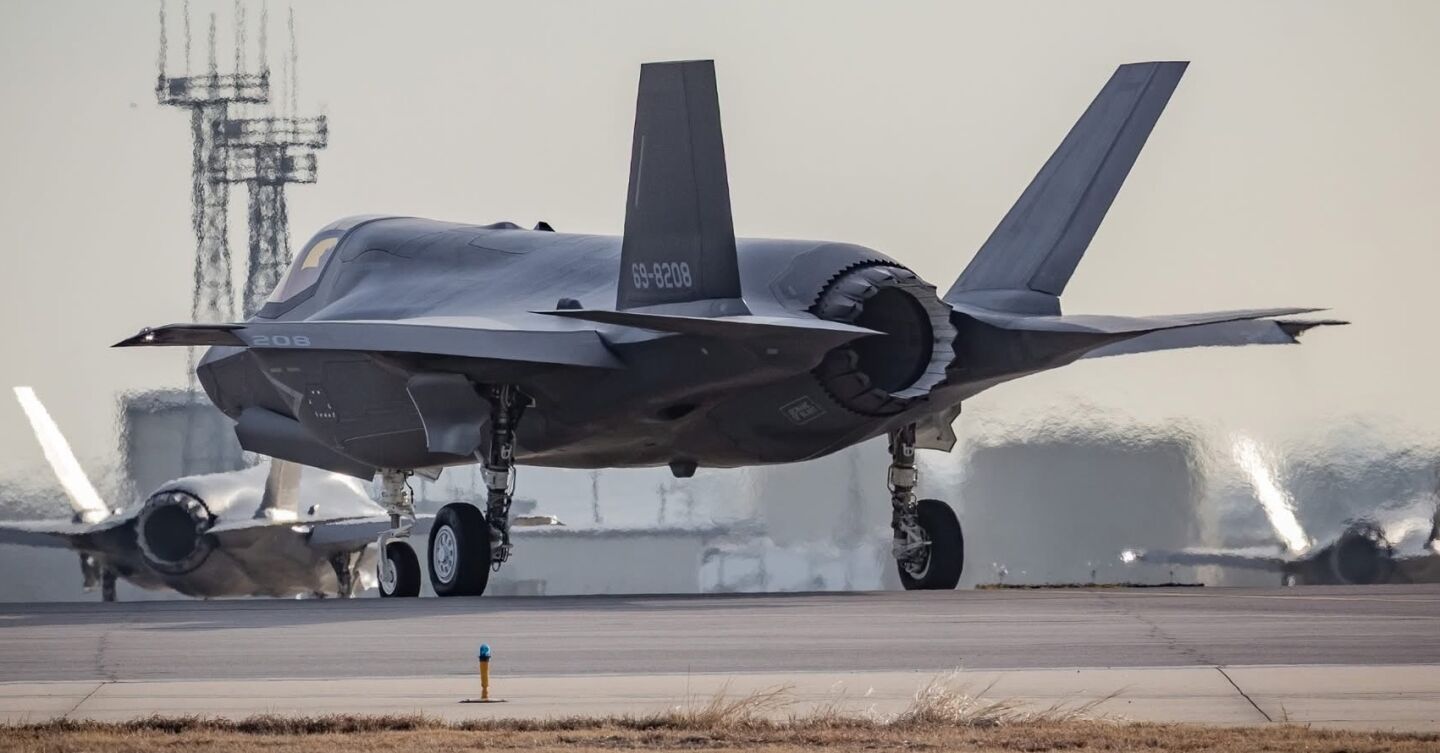
While the only current Western fifth generation fighter in production the F-35 prioritises stealth, sensor fusion and multirole capability within a comparatively compact airframe, GCAP is being designed with a much greater emphasis on range, internal fuel, weapons carriage, electrical generation and sensor aperture. Public descriptions of the program have indicated a requirement for a large internal weapons capacity and very long unrefuelled endurance. One 2025 British capability outline cited a potential weapons payload roughly twice that of an F-35A and enough internal fuel for a transatlantic crossing without aerial refuelling. These requirements, and the demonstrated inefficiencies of Europe’s combat aviation industry, have contributed to cost projections of close to $600 million per aircraft, compared to approximately $90 million for the U.S. F-35A.
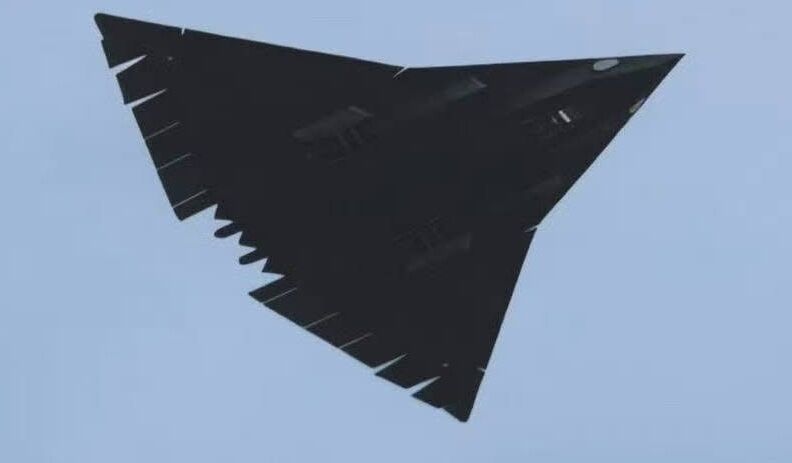
Although marketed as a sixth generation stealth fighter program, GCAP is optimistically expected to produce a ‘5+ generation’ aircraft comparable to enhanced variants of the U.S. F-35 and Chinese J-20, rather than a peer level competitor to the U.S. F-47 or Chinese J-XX. Its use of vertical tails, which limit its stealth capabilities, are one notable indicator of this, with China’s tailless sixth generation prototypes having already demonstrated extreme levels of tailless manoeuvrability. The record of European fighter programs, and complex weapons programs more broadly, over the past half century, has led analysts to proceed that the GCAP is unlikely to produce a competitive aircraft, much like the Tempest and Tornado fourth generation fighter programs that preceded it.
