
U.S. F-35 Fighters Increasingly Unaffordable as Production Costs Surge $51 Billion
Military Watch Magazine Editorial Staff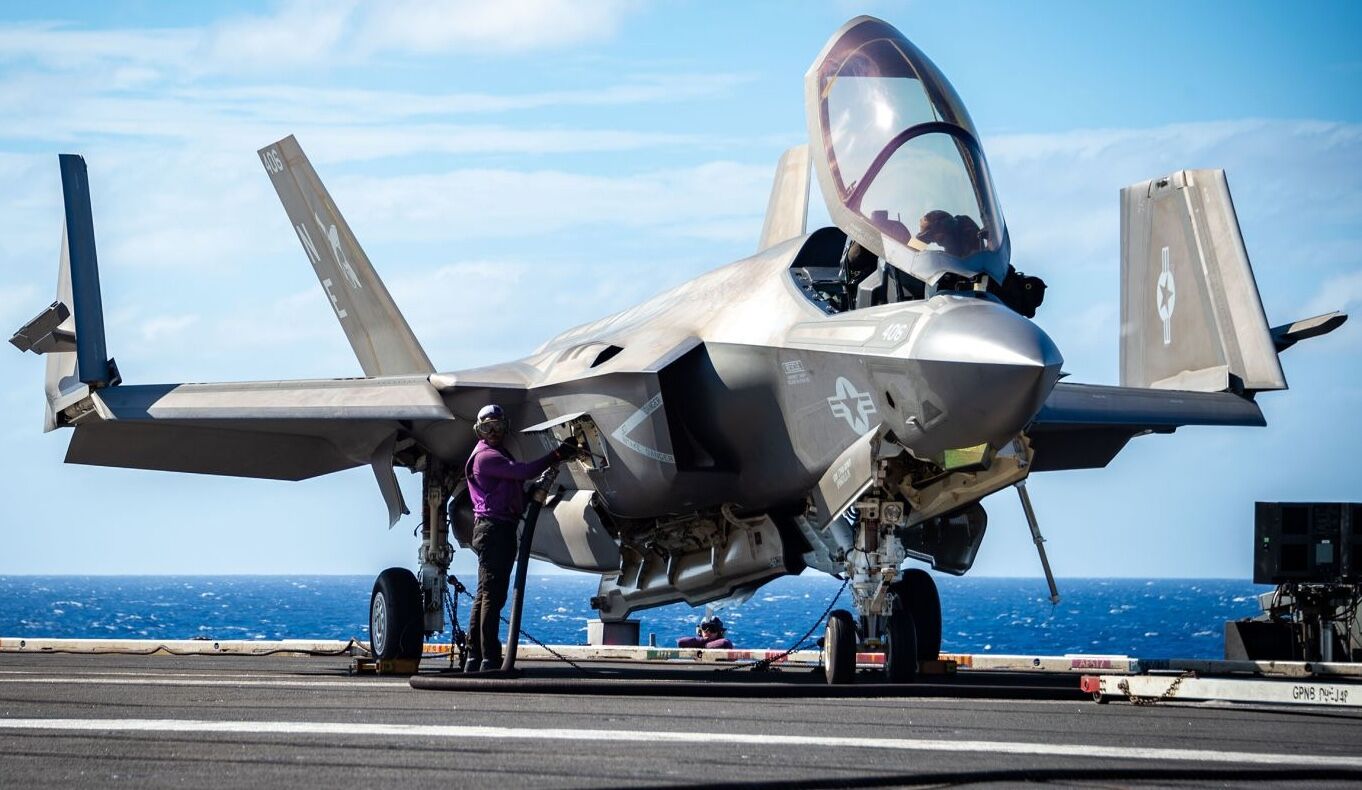
F-35C Carrier Based Stealth Fighter
The cost of the F-35 fifth generation fighter is continuing to rise as the aircraft enters a new phase focused on advanced modernisation, with inflation, new upgrade requirements and expanded production costs contributing to a more than $50 billion increase in its estimated acquisition price. A newly released Pentagon acquisition report places the total projected cost of the program at $536.2 billion, up from $485.2 billion in the previous 2023 estimate. The increase represents growth of approximately $51 billion, or more than 10 percent, across the program’s planned procurement of aircraft.
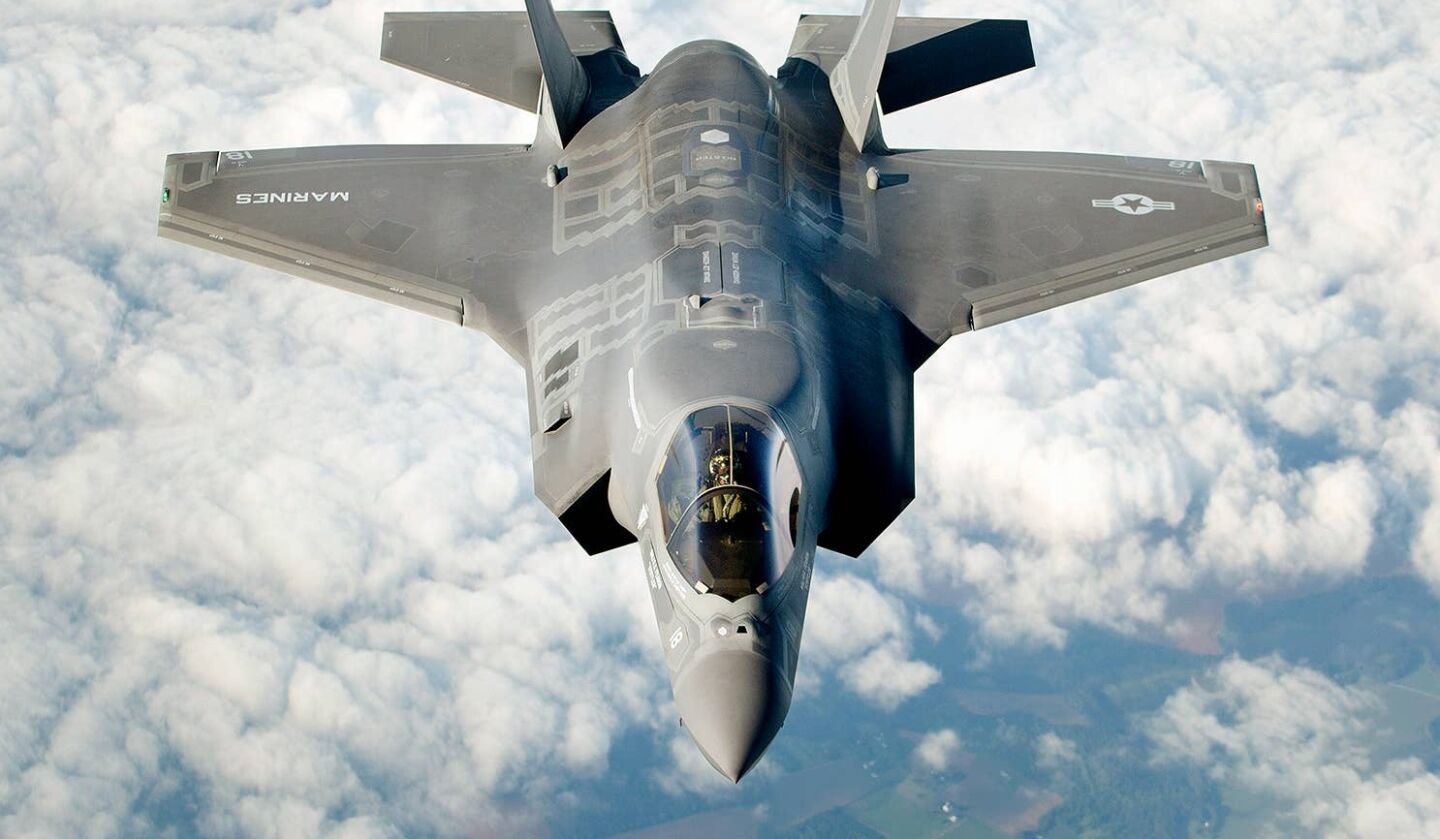
The F-35 is the only fifth generation fighter in production in the Western world, and has proven capable of consistently winning all tenders against other Western fighter types ensuring a very large client base. While it has proven to be much more capable than other Western fighter types, with the exception of the F-15EX which is in many respects a peer rival, its procurement and sustainment costs are very significantly higher than the program had intended, limiting its affordability. This has forced the U.S. Armed Forces to significantly reduce procurement plans, and forced services across the world to reduce planned investments in training.
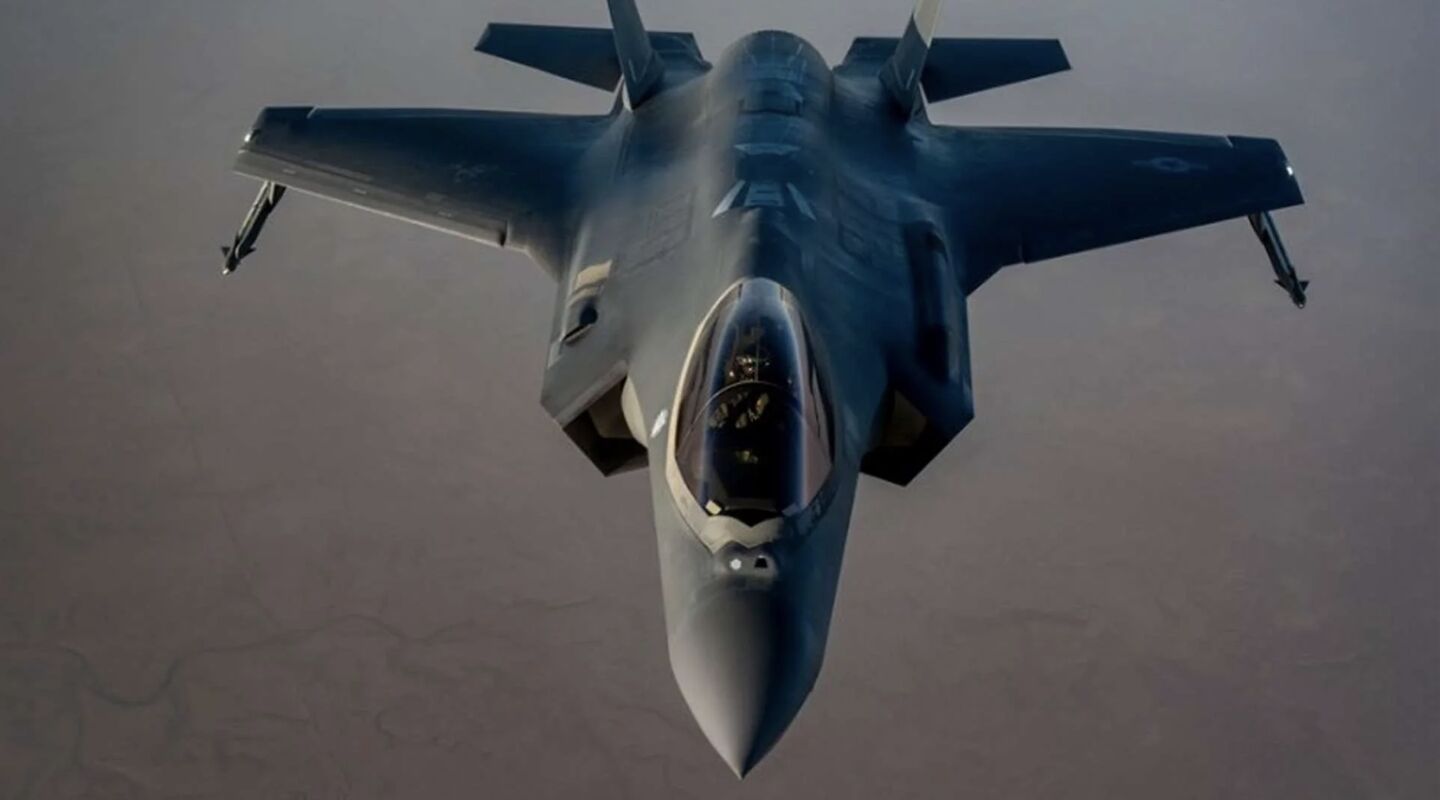
The F-35A now has a unit recurring flyaway cost of $78 million in 2012 dollars, compared with $72.7 million in the previous report, representing a 7.3 percent increase. The more complex carrier-based F-35C variant, operated by the U.S. Navy and Marine Corps, has risen to $93.4 million in 2012 dollars, up from $87.65 million. The short takeoff and vertical landing F-35B, the most technically challenging variant, has increased to $110.3 million in 2012 dollars, compared with $99.78 million previously, representing a 10.5 percent increase.
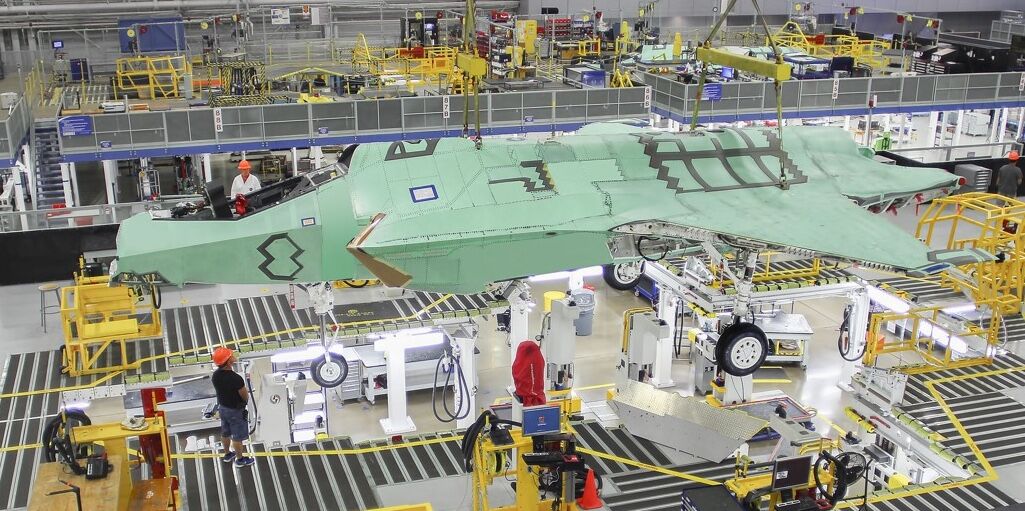
The Joint Program Office attributed much of the increase to the cost of future modernisation programs, particularly the aircraft’s extensive Block 4 upgrade package and associated improvements to its thermal management and power systems. Block 4 is intended to significantly expand the F-35’s weapons integration, sensor capabilities, electronic warfare functions and ability to conduct complex air superiority and suppression of enemy air defence missions. Research, development, testing and evaluation costs have increased by approximately $19 billion, reaching $106.6 billion. The Joint Program Office stated that this reflects updated estimates for the Power Thermal Management Upgrade, revised requirements and refined assumptions regarding future capability development.

The F-35’s costs are expected to increase very significantly in the 2030s, as with China being close to a decade ahead of the U.S. in developing sixth generation fighters, the Department of Defense has held “very active” talks with the F-35’s producer Lockheed Martin regarding the possibility of enhancing the fighter to a ‘5+ generation’ standard. Taiclet previously stated that such upgrades would provide the F-35 with “80 percent of six-gen capability at half the price,” which could raise the costs of the F-35A to around $200 million. While this is not expected to be sufficient to bridge the gap with new Chinese fighters, it is increasingly considered the Western world’s best option to retain some competitiveness in the sixth generation era.
