
U.S. F-47 and F-35 Stealth Fighter Programs Face Major Cuts After Midterms Quash Hopes of $1.5 Trillion Budget
Military Watch Magazine Editorial Staff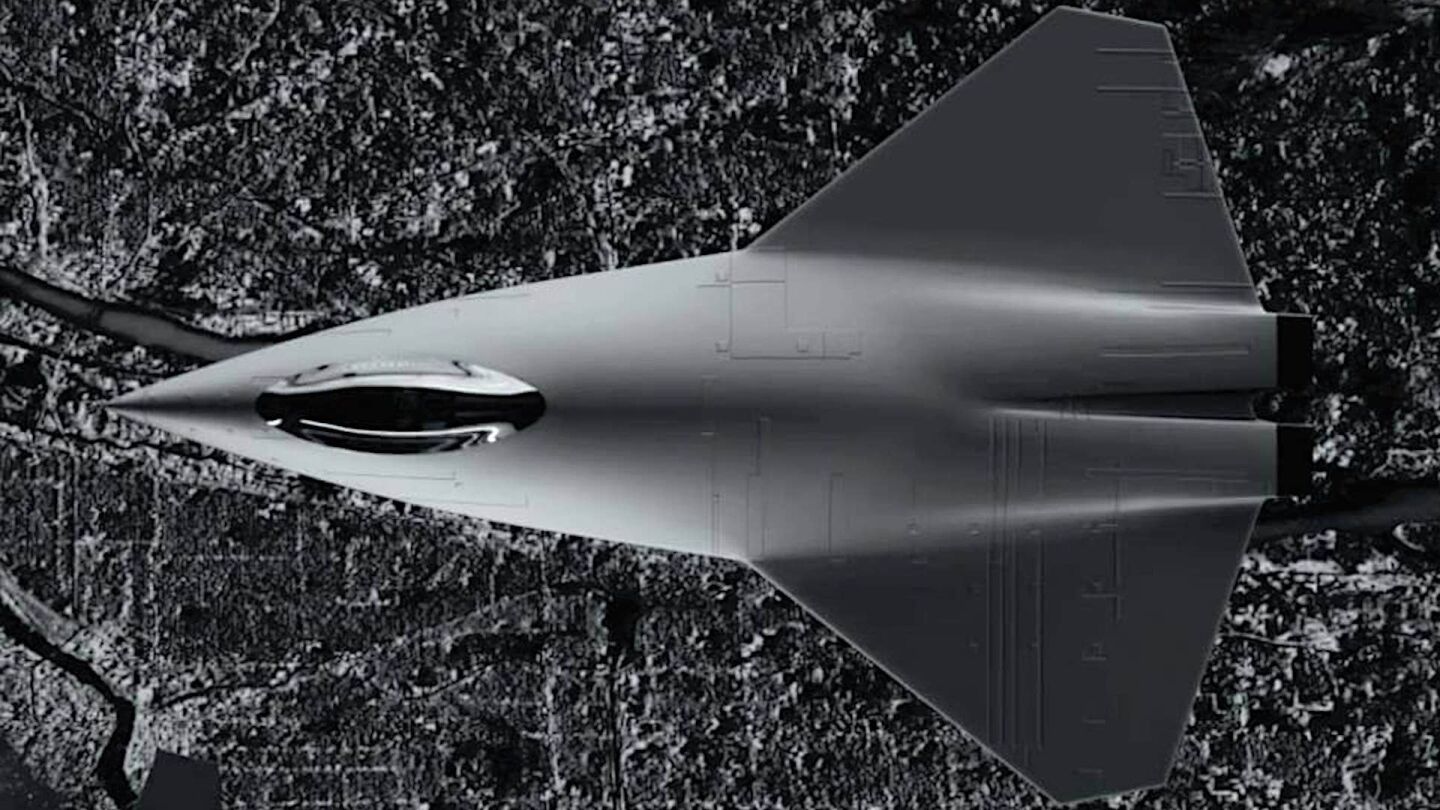
U.S. Air Force Sixth Generation Air Superiority Fighter Concept Art
The Donald Trump administration's ambitious proposal to increase U.S. defence spending to $1.5 trillion in Fiscal Year 2027 is increasingly unlikely to secure congressional approval, forcing the Pentagon and lawmakers to consider substantial reductions to planned procurement and modernisation programmes. The proposed budget, which would represent an enormous increase over the approximately $858 billion currently available to the Department of Defense, has encountered growing resistance even among Republican legislators, while the Democratic Party's gains in the November midterm elections are expected to make its passage considerably more difficult. With Congress facing a December 11 deadline to approve new funding or extend the existing continuing resolution, defence analysts have begun outlining alternative much more conservative spending plans.
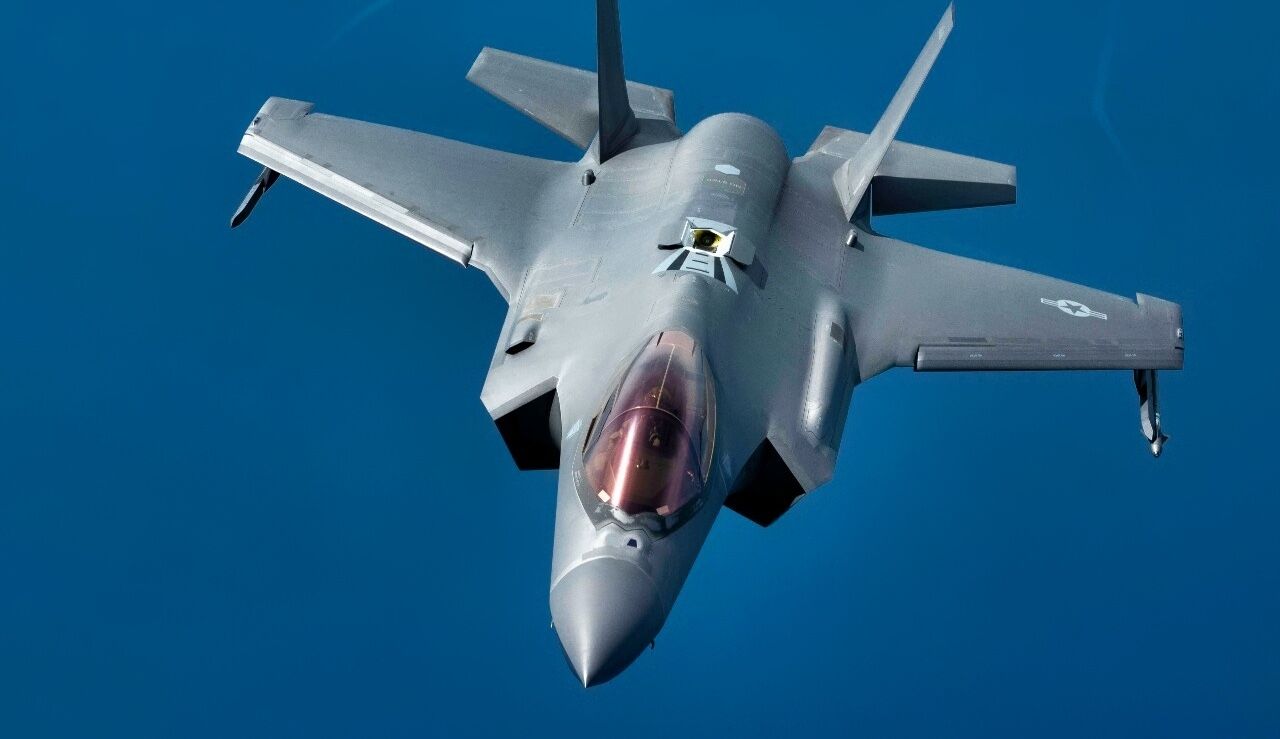
A failure to surge defence spending to previously planned levels will likely have significant consequences for the U.S. Air Force, with proposed reductions affecting F-35 procurement, the F-47 sixth generation fighter development, missile defence and the acquisition of critical munitions. This is particularly critical as the Armed Forces face growing strain on funding from rising sustainment costs of ageing equipment, and prolonged military operations against Iran launched from February 28. The potential reductions have been examined in two new reports published by the Center for Strategic and Budgetary Assessments (CSBA) and the American Enterprise Institute (AEI), with one of the most consequential areas of disagreement between analysts concerning procurement of the F-35. CSBA's Sharp argued that purchases of 85 F-35s should be protected regardless of the eventual budget level, describing the investment as an obvious priority. The AEI analysts, however, all proposed reducing purchases of F-35As for the Air Force and F-35Cs for the Navy, making the program one of the few areas where their recommendations converged despite otherwise differing considerably.
The future of the F-47 sixth-generation fighter program is also uncertain, with Air Force officials having until early 2025 repeatedly indicated that development could be cancelled or significantly watered down. The aircraft was quickly prioritised for funding under the second Trump administration, which is thought to have largely been a result in rapid progress made by China in gaining a lead developing its own sixth generation fighters. AEI analysts proposed delaying or potentially cancelling the program as part of their alternative budget scenarios, which would have significant implications for the balance of power in the air particularly over East Asia. The CSBA assessment, by contrast, places greater emphasis on protecting high-priority procurement investment, illustrating the extent to which the future of the F-47 could depend on the priorities adopted by Congress.

Head of the U.S. Air Combat Command General Mark Kelly warned in September 2022 that China was well positioned to begin fielding sixth generation fighters before the United States, stating: “I cannot tell you today what’s going on in China except they’re planning for their 20th National Party Congress [in October]. But I can tell you what’s not happening. They’re not having a debate over the relevance of six-gen air dominance. And I can also tell you they’re on track.” That year saw questions increasingly raised regarding the affordability of U.S. sixth generation fighter development. China unveiled its first two sixth generation fighter prototypes in flight testing in December 2024, and has since made rapid progress testing incrementally more advanced new prototypes, which have demonstrated capabilities that are wholly without peer abroad. The country’s ability to sustain funding for development more consistently may be a decisive factor in its efforts to widen the advantages of its frontline fighter units.
