
China Proves Itself as Pakistan’s Most Reliable Defence Partner: Ready to Deliver Attack Helicopters as U.S. and Turkey Both Violate Export Contracts
Military Watch Magazine Editorial Staff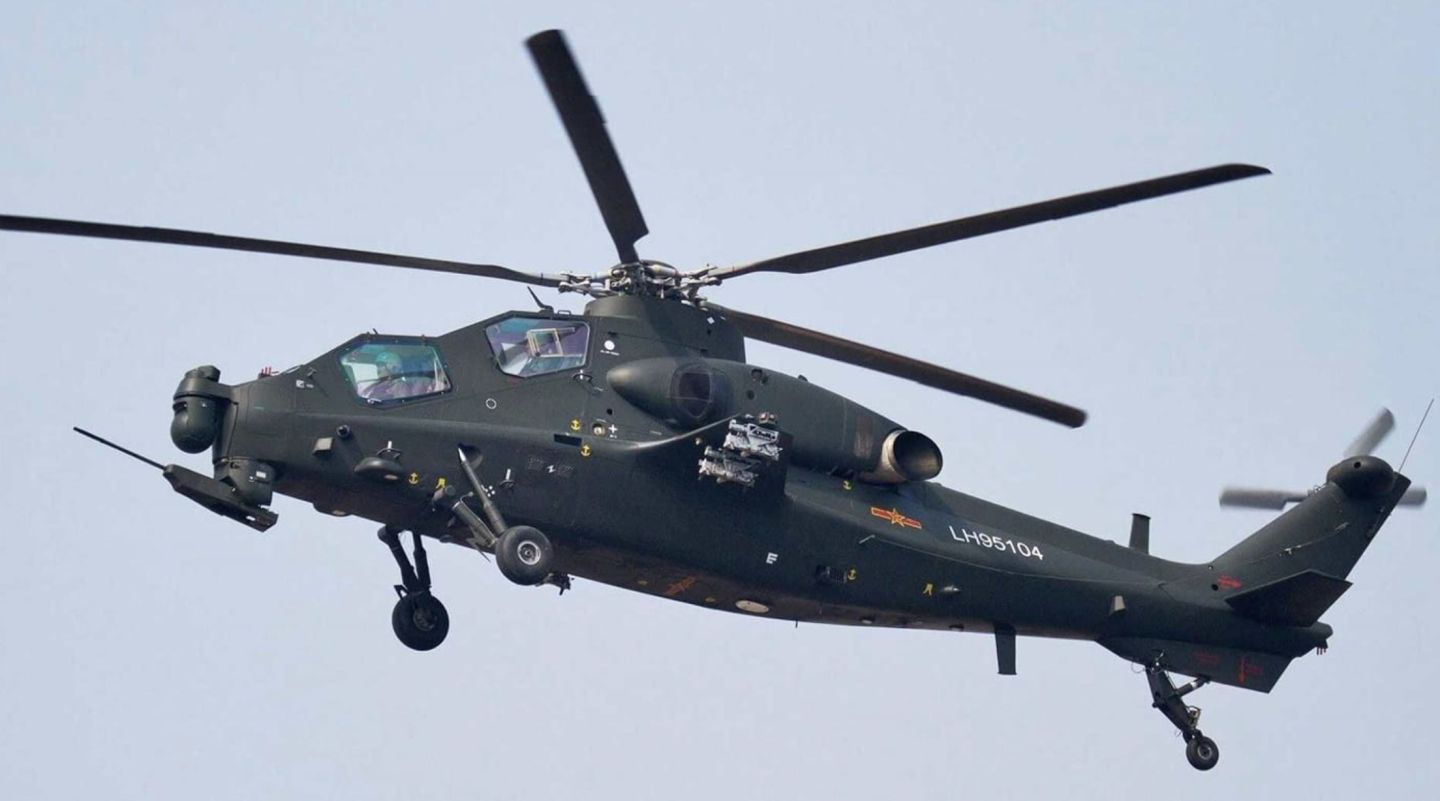
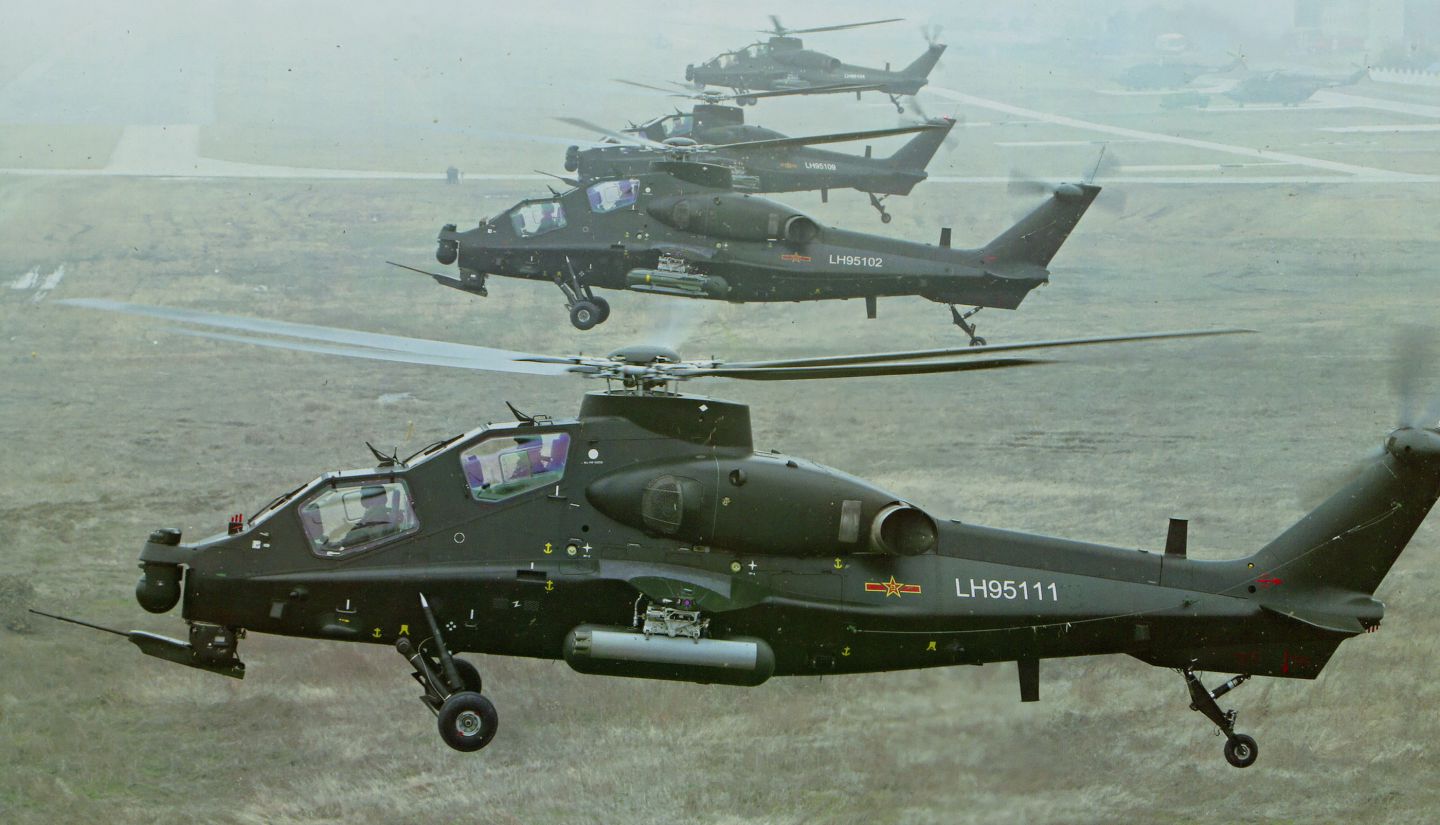
Chinese Z-10 Attack Helicopter
As China’s defence sector has made considerable strides over the past two decades, ending the previous disparity with Russia and the United Stated, the country has emerged as a leading arms exporter in a wide range of fields from precision guided missiles to surface warships. This has facilitated close defence ties with a range of partners from Iran and Thailand to African and Latin American states. Neighbouring Pakistan has come to rely on China as its leading arms supplier, acquiring a wide range of systems from C-802 cruise missiles to HQ-16 air defence systems and Type 054 Class frigates. A number of the country’s domestic weapons programs have also relied heavily on transfers of Chinese technologies, from the joint JF-17 fighter program to the Nasr nuclear rocket artillery system. While the United States was previously a leading Pakistani defence partner, deteriorating relations in the aftermath of the Cold War and an American arms embargo led Islamabad to see China as a far more reliable ally - one which has helped to heavily compensate for the loss of Western support.
While China is a leading supplier of arms to Pakistan, the country notably looked to diversify its suppliers when considering acquisitions for new attack helicopters - signing contracts to acquire the American AH-1Z and Turkish T129 light platforms. While neither of these two platforms are particularly heavy or state of the art - and are far inferior to the Russia Mi-35 currently in service and the American AH-64 Apaches recently sold to India - they were prized for their low costs. Islamabad ordered 12 AH-1Zs under the USA’s Foreign Military Sales process in 2015, and three years later placed a $1.5 billion order for 30 Turkish Aerospace T129s. The former represents a platform at the lower end of the American helicopter fleet, while the latter has an underwhelming performance with Turkey having only modest experience in the field of manufacturing military helicopters and a much more limited technological base to work from.
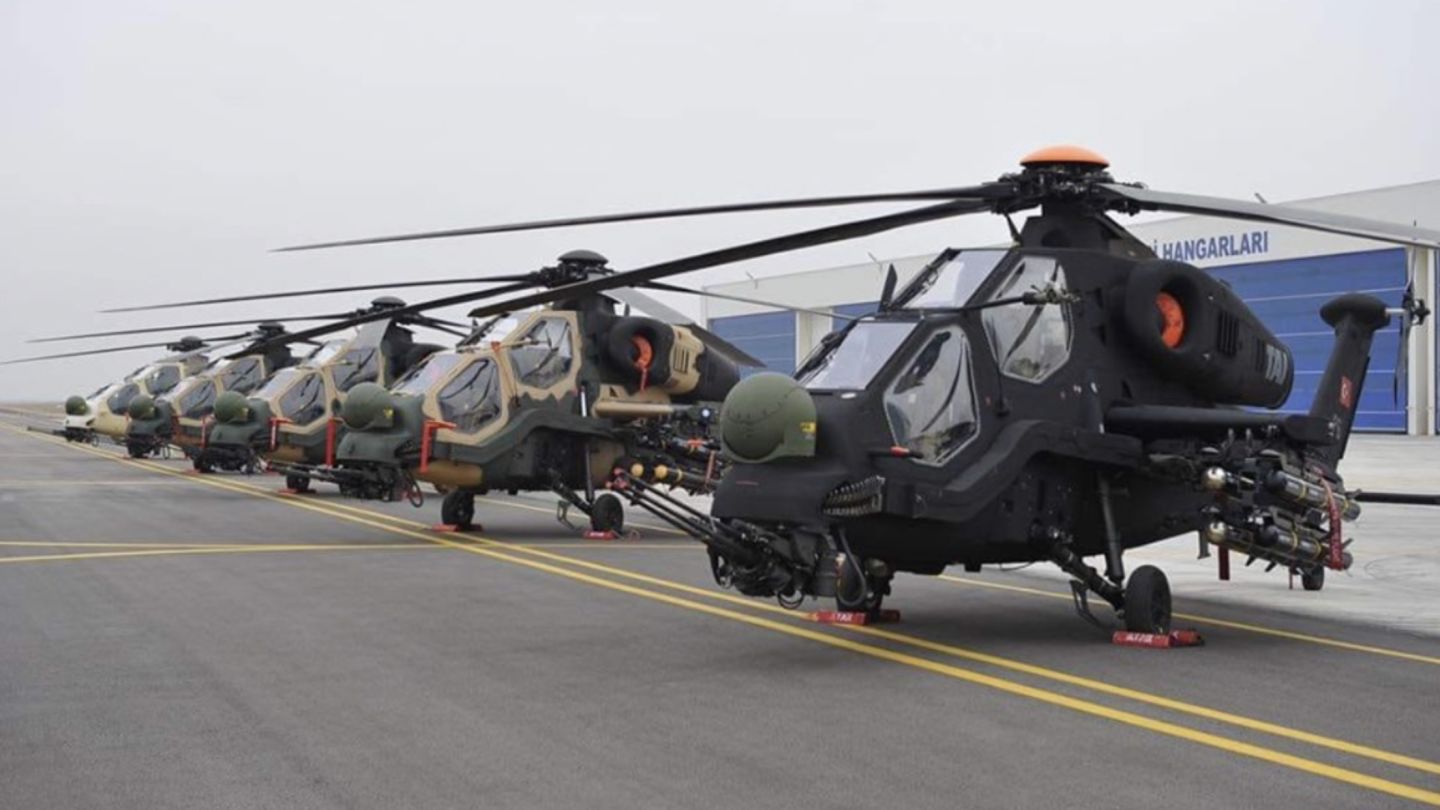
Both the United States and Turkey have notably failed to deliver on their contracts to Pakistan. The AH-1Z sale has been on hold as a result of Washington’s decision to cut security funding to Pakistan - although American export sanctions threaten to cut the supply of parts for the aircraft even if the delivery was made. The T129 has meanwhile been marketed as an indigenous Turkish design, despite the majority of its technologies and the core design itself being of Western origin. This includes its LHTEC T800 engines - the sale of which has been frozen by sanctions leading to a suspension of the contract. Pakistan Major General Syed Najeeb Ahmed stated regarding the possibility of a new contract for attack helicopters, which would bypass the need for Western or Turkish technologies entirely: “We are looking at other options. One of them is in China in the shape of the new attack helicopter they have created called the Z-10ME. In case the first two options do not materialise this third option will be considered.” He highlighted that the latest versions of the Z-10 had markedly improved capabilities, with firepower in particular seeing major enhancements, and expressed serious regarding Turkey’s ability to deliver on its contact.
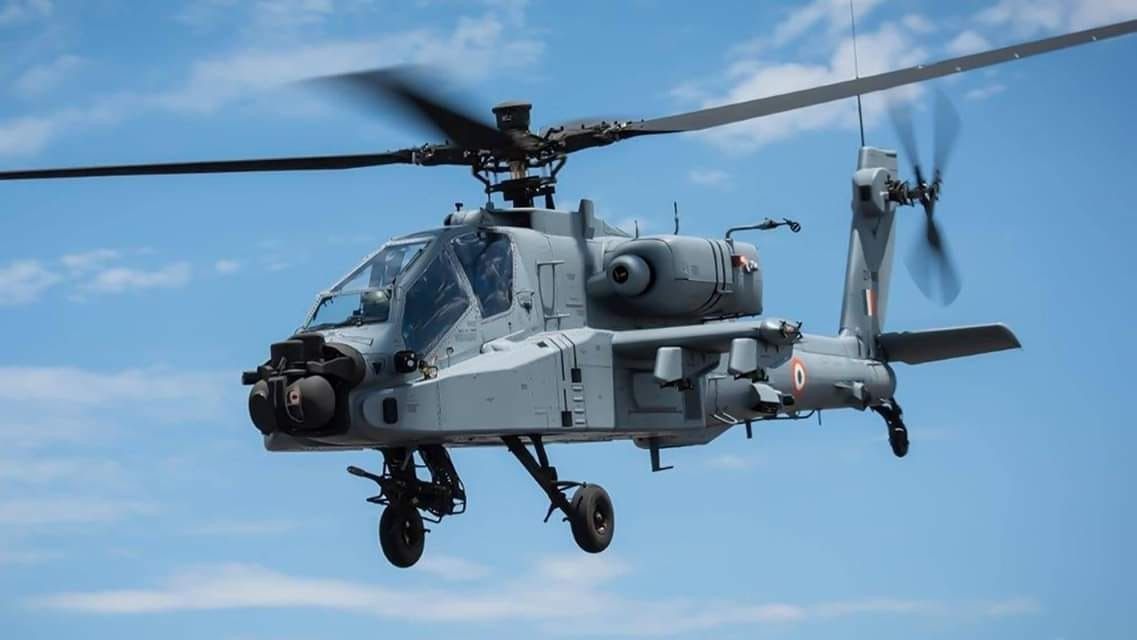
Pakistan is urgently seeking to retire its ageing Bell AH-1F Cobra Attack helicopters, around four dozen of which are currently in service, and to regain parity with the Indian military which has rapidly enhanced its own helicopter fleet. General Ahmed stated regarding India’s current advantage: “The Cobras are no match for the Apaches that the Indians are getting. We definitely want to match that [capability].” Pakistan has set a deadline of July this year for a final decision, with the Z-10 a leading potential contender. It has been speculated that Pakistan may also consider acquiring Russia Ka-52 Alligator attack helicopters, which can comfortably outperform the Apache in terms of firepower. The most notable recent enhancement to the Z-10 design has been the replacing of the WZ-9 turboshaft engines with the more powerful WZ-16, which will increase its endurance and allow it to deploy up to 16 HJ-10 anti-tank missiles. This will provide firepower more on par with the latest U.S. and Russian designs. The new version of the helicopter also benefits from active and passive countermeasures a missile approach warning system, a radar warning receiver, an infra red jammer and appliqué graphene-based armour panels - all of which serve to seriously improve survivability.
