
Indian Air Force Receives First American AH-64E Apache Attack Helicopter
Military Watch Magazine Editorial Staff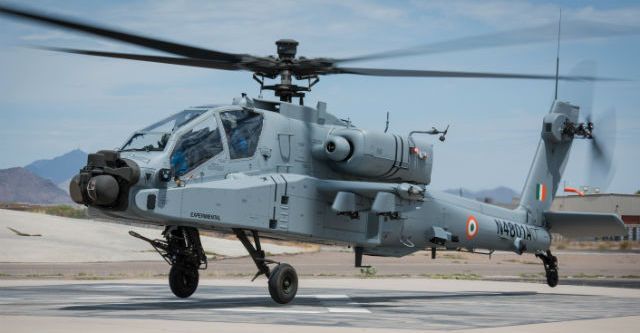
Indian Air Force AH-64E Apache Attack Helicopter
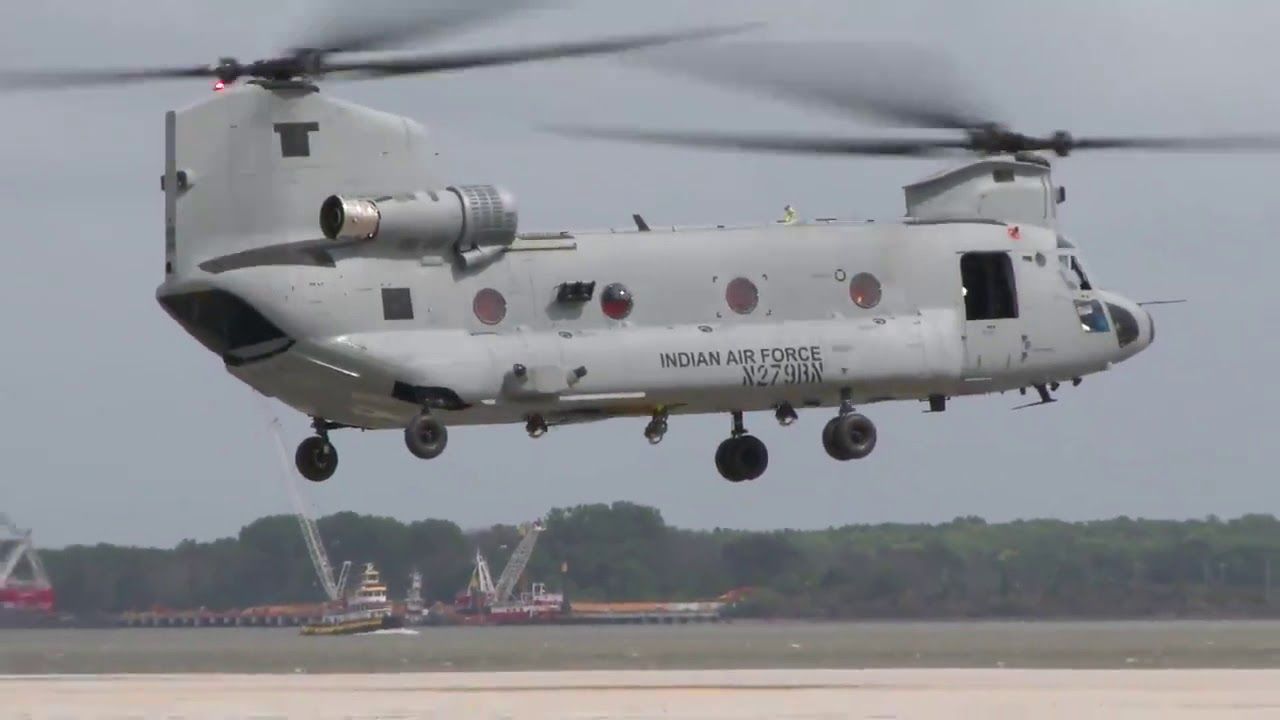
The Indian Air Force has received its first AH-64E Apache attack helicopter, which was handed over to the service at Boeing’s production facility in Mesa, Arizona. India’s armed forces plan to induction of 22 Apaches by March 2020, which alongside 15 CH-47 Chinook transports were contracted from Boeing as one of the South Asian state’s largest arms acquisitions from the United States. While India has long been a client for Russian and European arms - more recently joined by Israel, the sophistication of American military helicopters are rivalled only by Russian platforms, leading India to seek out U.S. aircraft to diversify its currently exclusively Russian inventory. The Apaches and Chinooks designated for Indian service were first unveiled by Boeing in July 2018, and further orders for these aircraft remain a possibility depending on their performance in Indian service. The Apache has proven a popular export since it first entered service in 1986, and currently has sixteen operators with over 2000 aircraft having been manufactured. In March 2019 the U.S. Military announced plans to replace the Apaches in its own inventory with more capable platforms being developed under the Future Attack Reconnaissance Aircraft (FARA) program, which has relaxed previous restrictions on exporting the older platform's technologies.
Following the contract for acquisition of American helicopters, a followup order by the Indian Air Force for $930 million worth of support equipment for the Apaches including 270 AGM-114 11km range Hellfire standoff air to surface missiles and 200 Stinger air to air missiles, was made in 2018 and approved by the U.S. State Department in June of that year. India also ordered 14 engines, four AN/APG-78 fire control radars, seven Modernized Target Acquisition Designation Sight/Pilot Night Vision Sensor systems and 14 Embedded GPS Inertial Navigation Systems for the Apaches. The AH-64E variant of the Apache intended to integrate these systems, known as Guardian, is considerably more capable than the original Cold War era platform - boasting superior engines, a Joint Tactical Information Distribution System, new lighter and more durable composite rotor blades and the ability to control unmanned drones. A powerful Longbow radar with oversea capacity will also facilitate maritime operations, though this system has had serious operational difficulties in the past. While India’s Air Force is among the largest in the world, its attack helicopter fleet remains small with just 17 Russian Mi-35 aircraft in service. The addition of 22 more attack aircraft, particularly those as capable as the AH-64E, is thus a welcome asset. Whether the acquisition will mean an end to Indian interest in Russian attack helicopters, or whether like Egypt which operates almost 100 Apaches alongside a similar number of planned Russian Ka-52 aircraft India will seek a mixed fleet, remains to be seen.
