
China Demonstrates Value of Very Long Range Fighters with Intercontinental Flight to East Africa
Military Watch Magazine Editorial Staff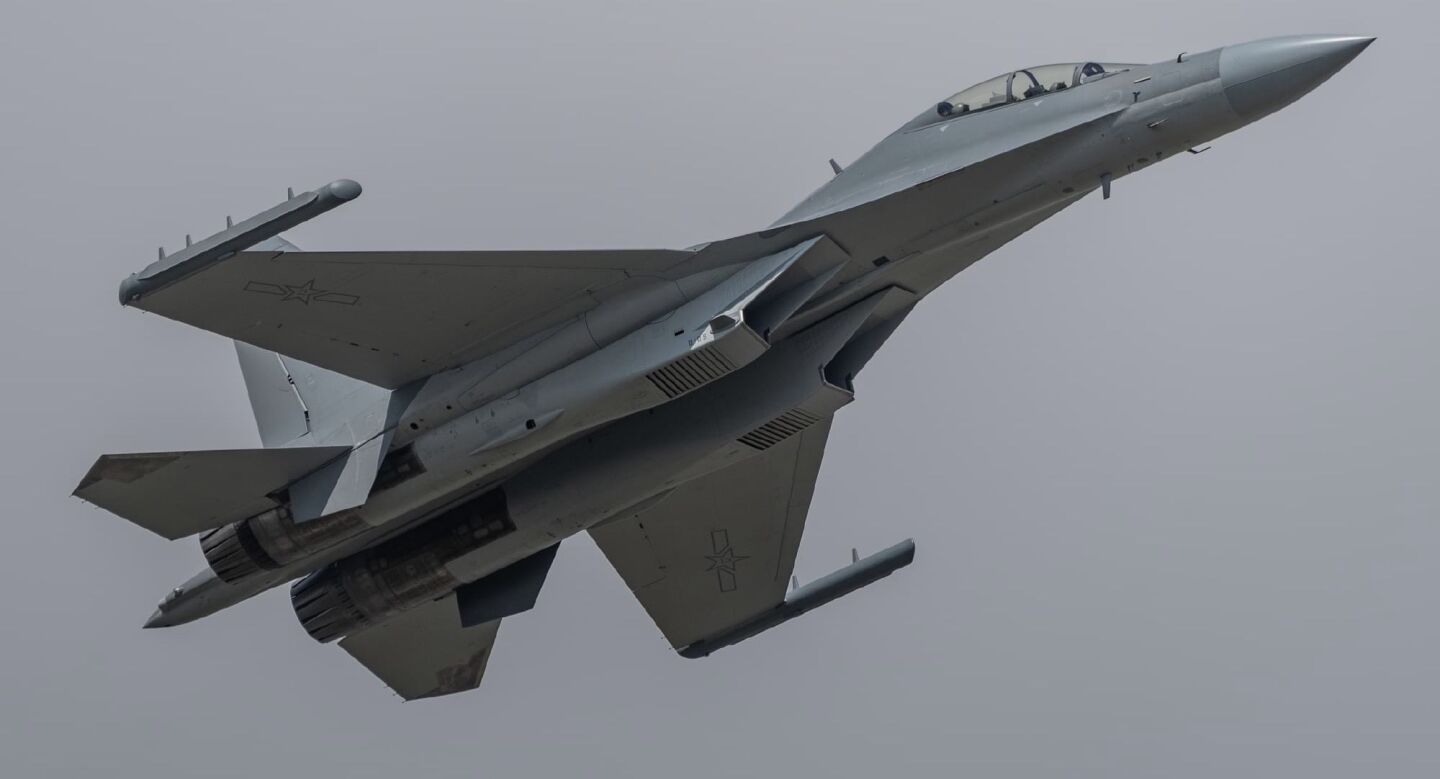
J-16 Fighter
The Chinese People’s Liberation Army Air Force has demonstrated one of the most important advantages of its fighter aircraft with the deployment of J-16s to Egypt for the Eagles of Civilisation exercises, as the aircraft traveled more than 6,000 kilometres in a single intercontinental range flight supported by YY-20A aerial tankers. The deployment provides a striking demonstration of the ability of China’s large fighters to operate over distances far exceeding those of Western aircraft. The J-16 is a large twin-engine aircraft fighter from the Soviet Su-27 Flanker design, with its size and outstandingly high fuel-to-weight ratio, making it one of the longest ranged combat aircraft in the world.
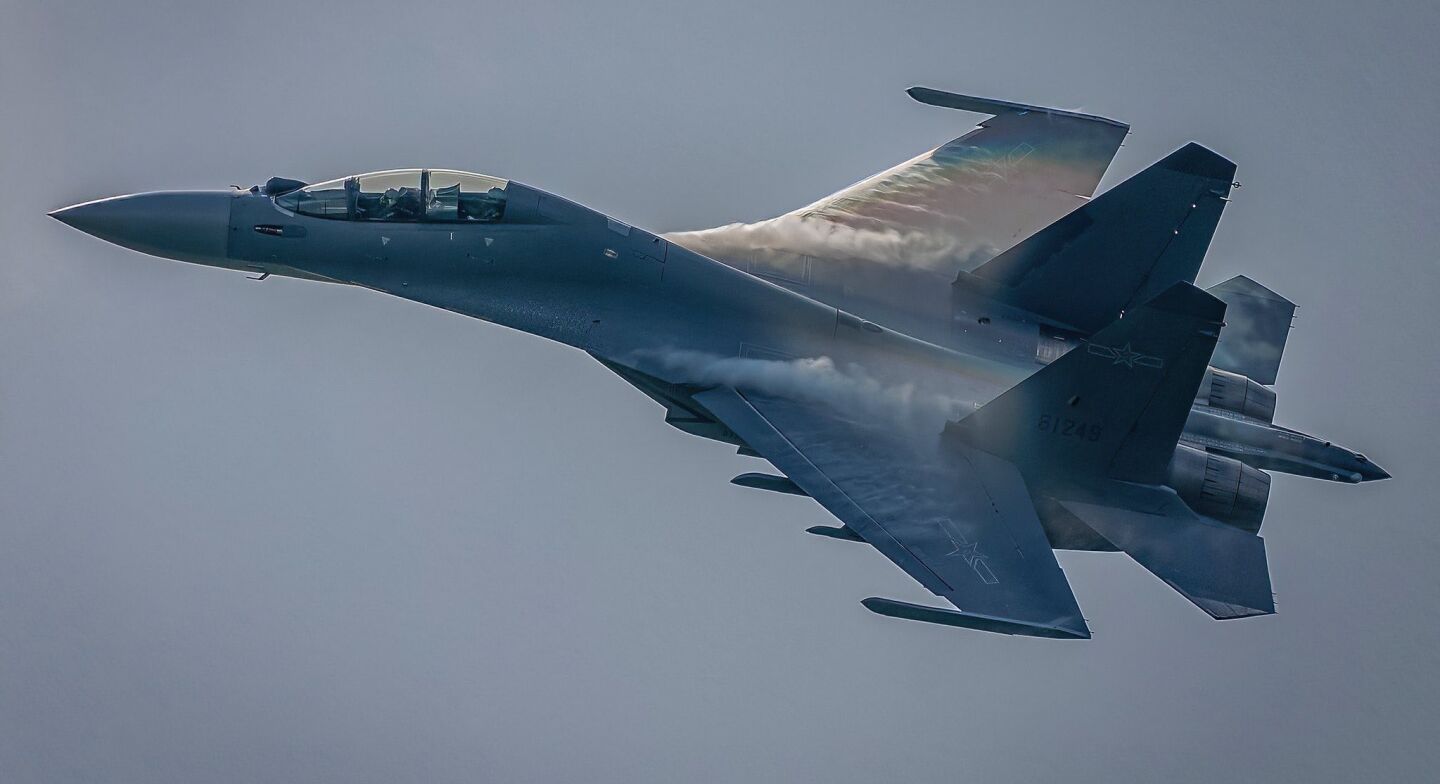
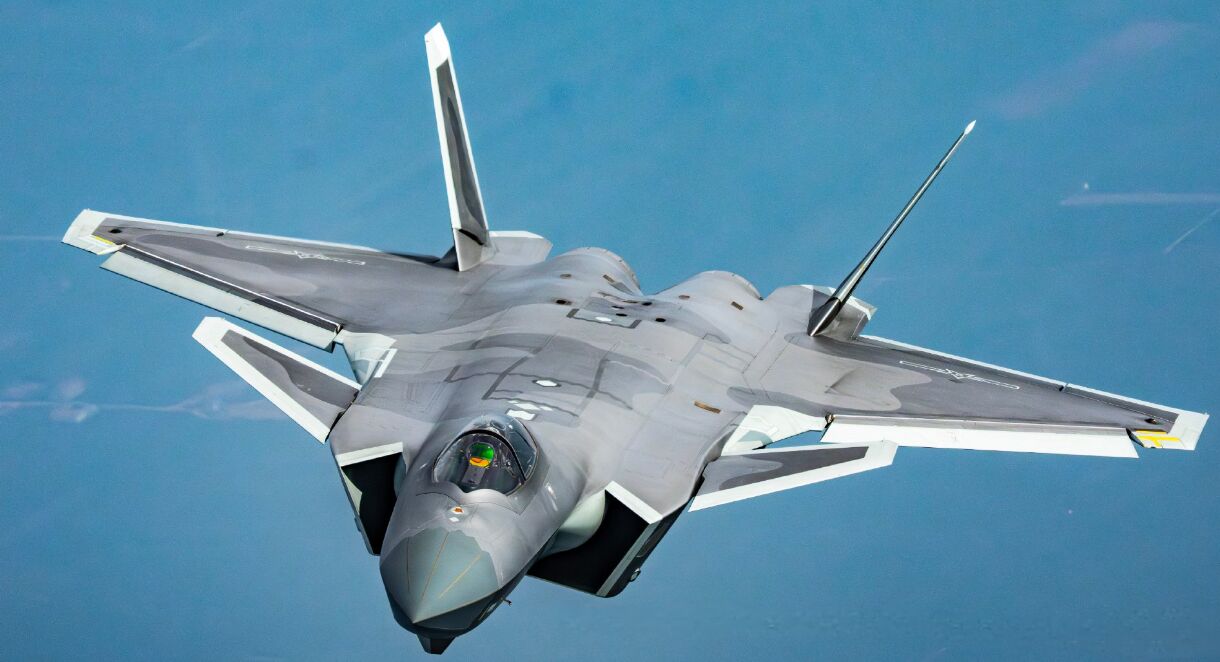
China operates more long range heavyweight fighter fighters than Russia and NATO combined, with with the J-16 fleet alone numbering over 450 aircraft, while a greater number of newer and even longer ranged J-20 fighters, and a smaller number of J-11, J-15, Su-30, and Su-35 fighters allowing for long distance operations at scale. This ensures that Chinese fighter operations are very significantly less reliant on aerial refuelling support than operations by Western aircraft, and that if receiving such support they can operate over far longer distances. While the Flanker and J-20 designs were brought into service with outstandingly long ranges, advances in engine and composite material technologies have significantly further extended these ranges over time.
The 6,000 kilometre range demonstrated by J-16 units has significant implications not only for the potential reinforcing of China’s strategic partners, but also for combat operations against Western Bloc forces in the Pacific. A 3,000 kilometre combat radius allows fighters to intercept hostile targets far out into the Pacific, pairing well with the aircraft’s unrivalled 500 kilometre air-to-air engagement range provided by PL-17 missiles. The expansion of the KJ-500 AEW&C and YY-20 airborne tanker fleet will facilitate distant operations on an increasingly large scale.
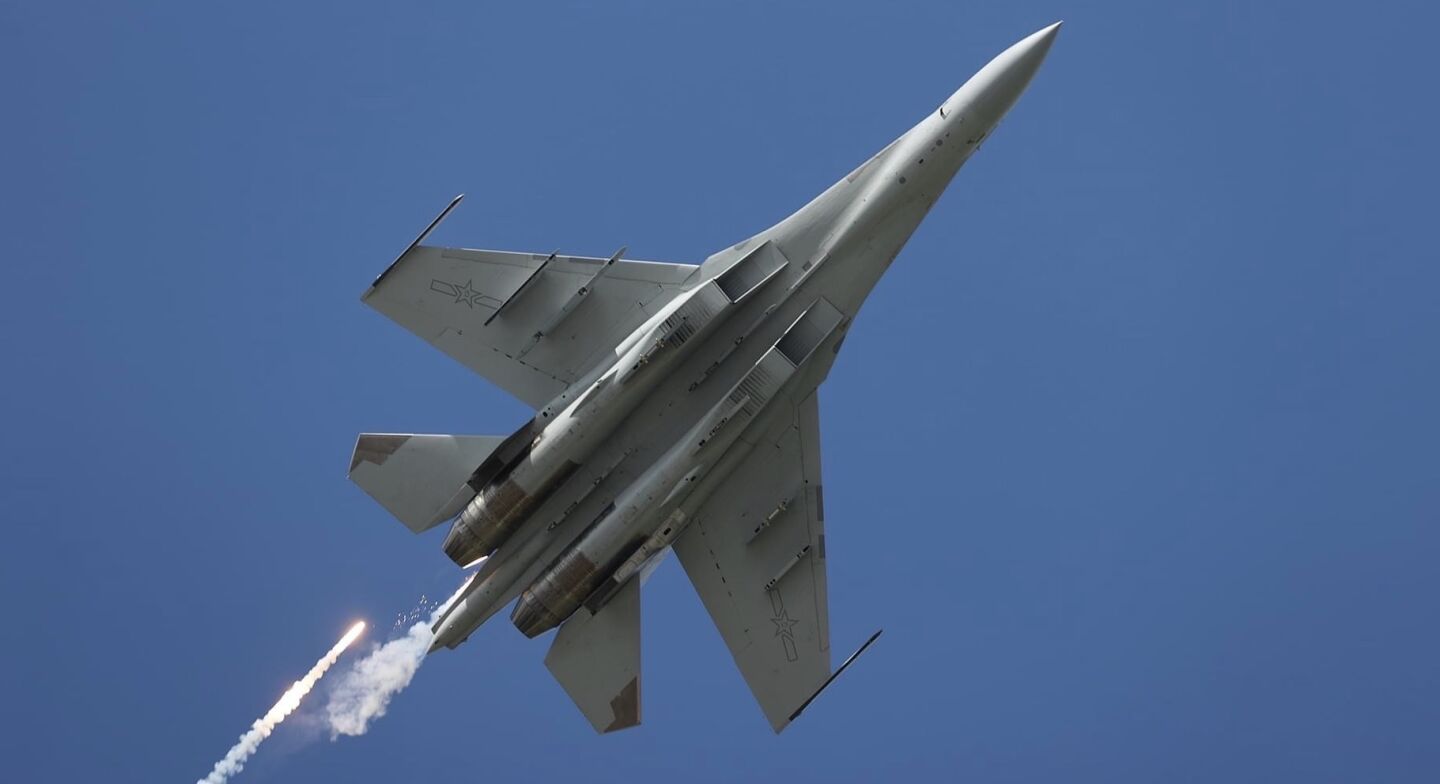
The J-16 has a range of over 4,000 kilometres if operating on internal fuel, with aerial refuelling capable of more than doubling this. The U.S. F-35 and F-22, by contrast, have ranges of approximately 2,000 kilometres. The newer fifth generation J-20 builds on these advantages with both a longer range, and with a supercruise capability, allowing the aircraft to fly at high supersonic speeds for sustained periods without compromising range by using afterburners. The J-16’s large radar, electronic warfare suite weapons load are further leading advantages of the design, with its capabilities widely assessed to make it the most formidable fourth generation fighter type in the world.
