
How Chinese J-16 Fighter Units Can Benefit From Experience Combating Rafales in Egypt
Military Watch Magazine Editorial Staff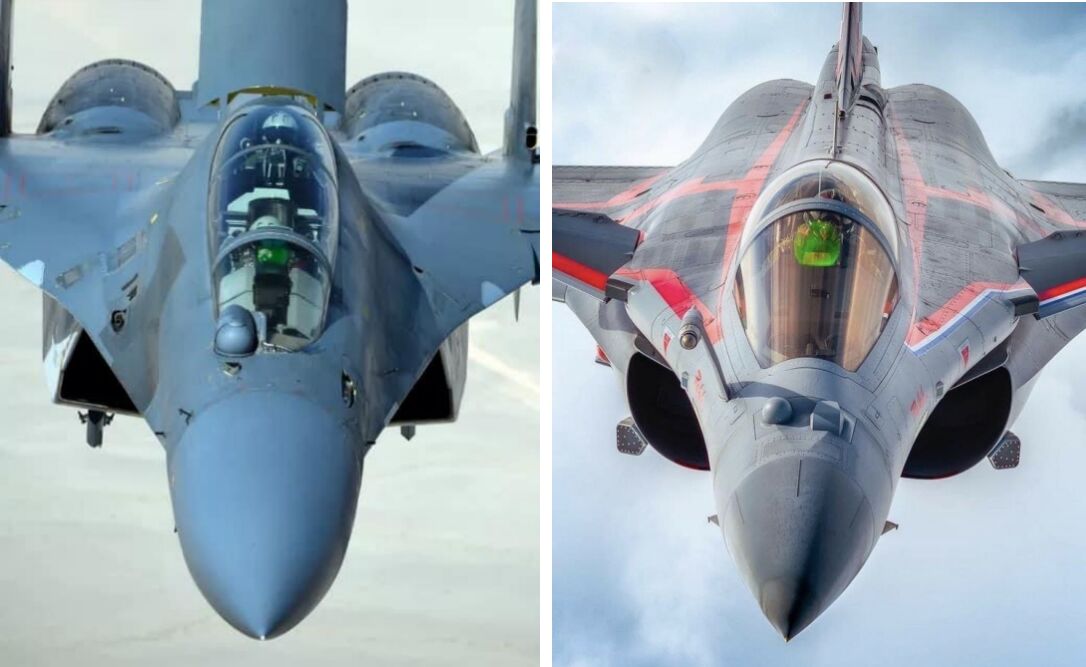
J-16 (left) and Rafale Fighters
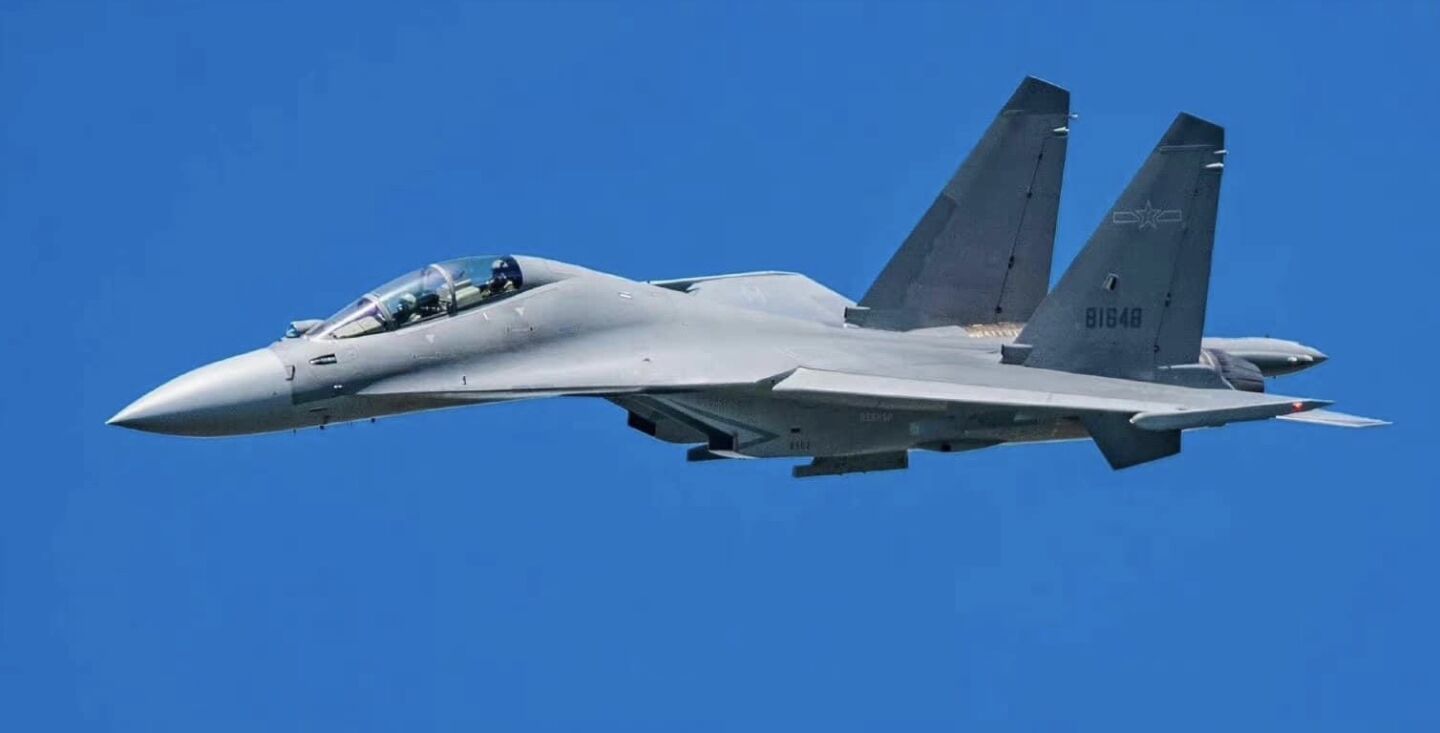
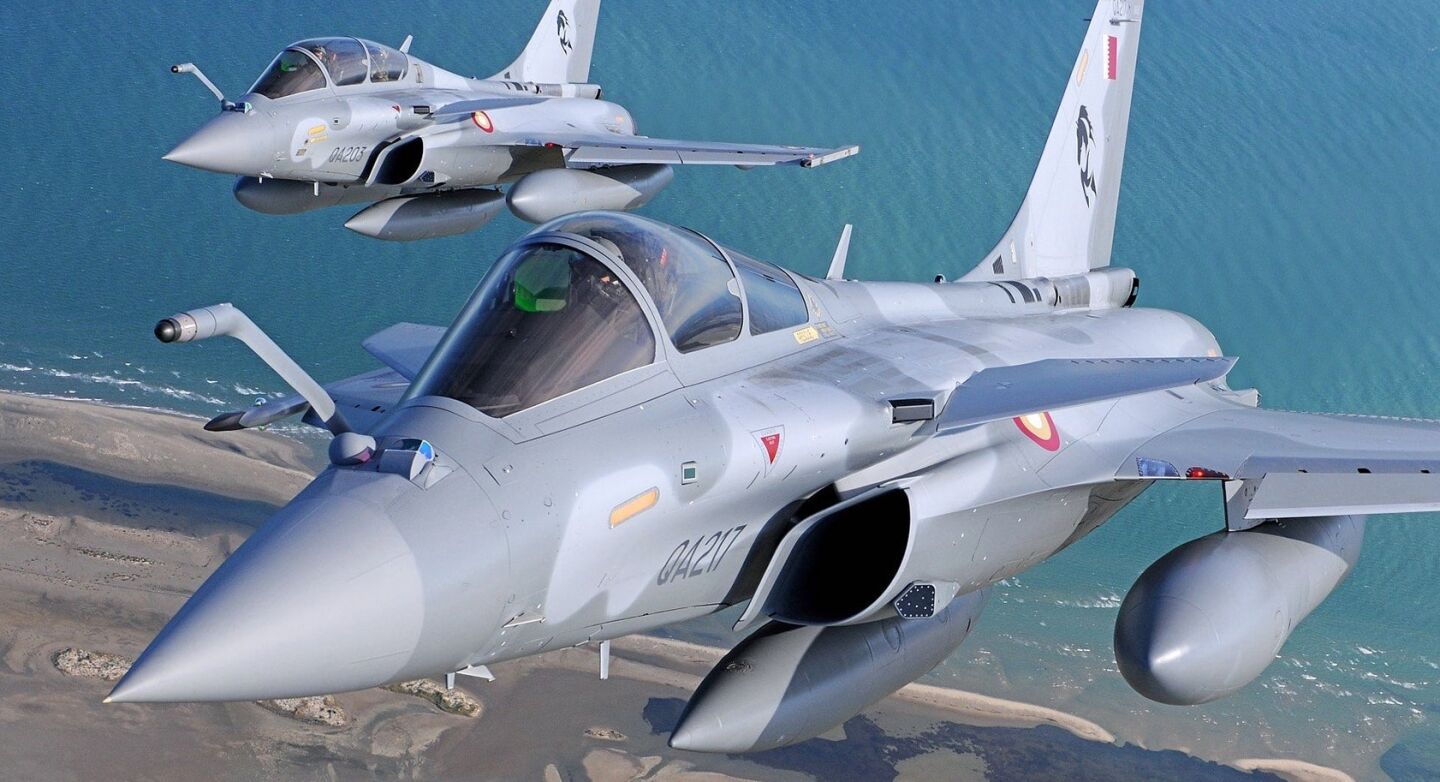
Chinese People’s Liberation Army Air Force J-16 fighters have begun simulated air-to-air engagements with Egyptian Air Force Rafale and MiG-29M fighters as part of the Eagles of Civilisation exercises, which began on August 22. The exercise marks the first deployment of the J-16 outside Asia, with at least six of the long range fighters flying roughly 6,000 kilometres to Egypt. Considering the J-16’s performance record and known capabilities, it is expected to demonstrate its vast superiority over other participating fighter types, with the aircraft being considerably larger and more powerful than fighter types in Egyptian service.
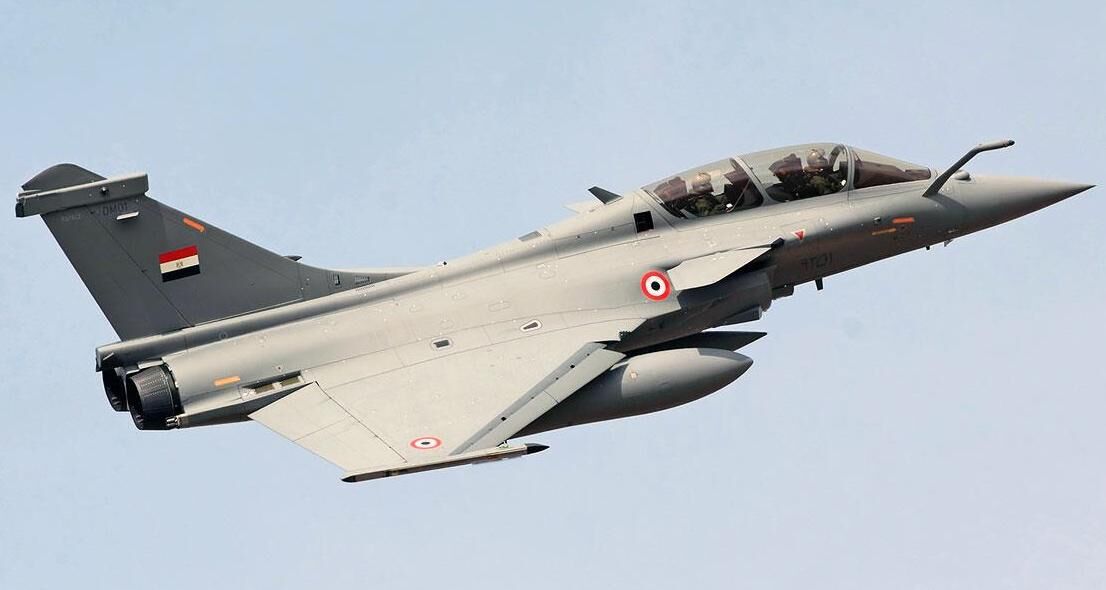
Air-combat exercises depend heavily on the rules of engagement, starting positions, weapons simulated, support from airborne early-warning aircraft and the experience of the participating crews. Nevertheless, repeated encounters can provide pilots with valuable information about how different aircraft behave and how their sensors and tactics interact. Despite a significant military buildup by NATO member states in East Asia, however, Rafales have not been deployed in the region in any significant numbers. The possibility of J-16s engaging Rafales in combat remains limited, with the French fighter type having consistently lost tenders in which it has competed either against the F-35 or against the F-15.
Experience operating against the Rafale provides dissimilar air combat experience, albeit against an adversary far less capable than those which Chinese fighter units face in East Asia. The possibility of Chinese fighter units needing to engage the French aircraft, however, cannot be ruled out, with the CEO of the Rafale’s producer Dassault having in late 2025 suggested that France could market the aircraft to equip the Republic of China Air Force, with the Republic of China government remaining in a state of civil war with the People’s Republic of China based on the Chinese mainland. Unconfirmed reports indicate that the sale of aircraft remains under consideration, which would place them on the frontlines in the Taiwan Strait.
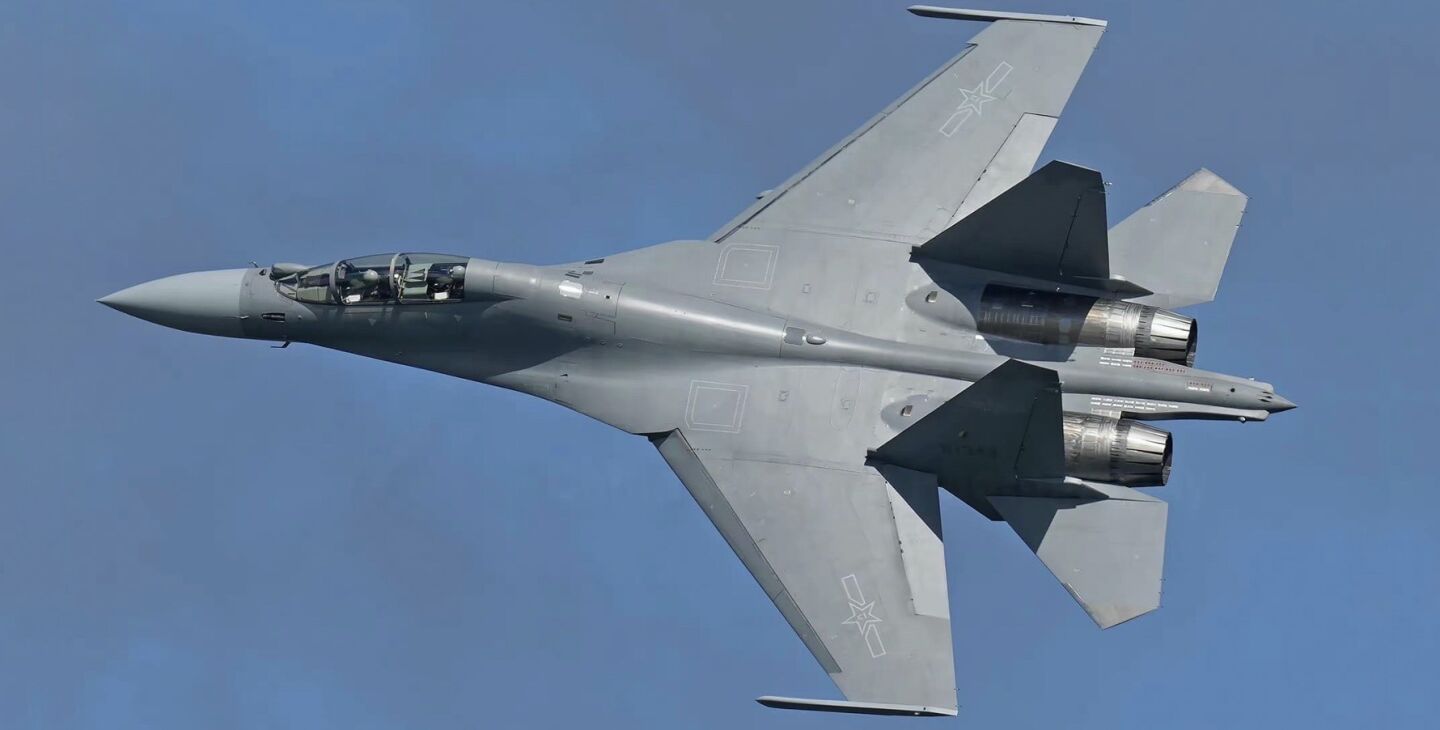
Engagements between the J-16 and Rafale are expected to be highly one sided, as European fighter industries have fallen significantly behind those of China and the United States. The J-16 integrates a radar over triple the size of that of the Rafale, and which was developed by a country with a significantly larger and more sophisticated electronics industry meaning it will likely also be more advanced. Its flight performance including manoeuvrability at all speeds, and its altitudes, are all significantly higher, while its weapons carrying capacity is far greater. The Rafale’s M88 engines are by far the least powerful of any in production for fighter aircraft today, which constrains its flight performance.
The Rafale’s performance was far from favourable in its first high intensity air-to-air engagements in May 2025, during which between one and four of the fighters in Indian service were shot down by Pakistan Air Force J-10C fighters, while achieving no kills. The J-10C was developed in parallel to the J-16 as a lighter and lower cost counterpart, and has approximately half the engine power and a radar with less than half the power of the larger aircraft. J-16s form the backbone of the Chinese fourth generation fleet, with over 450 in service, although procurements are being made on a far smaller scale than those of the more advanced J-20 fifth generation fighter.
