
Chinese YY-20 Heavy Tankers Revealed to Have Airborne Command Capability to Support Fighter Operations
Military Watch Magazine Editorial Staff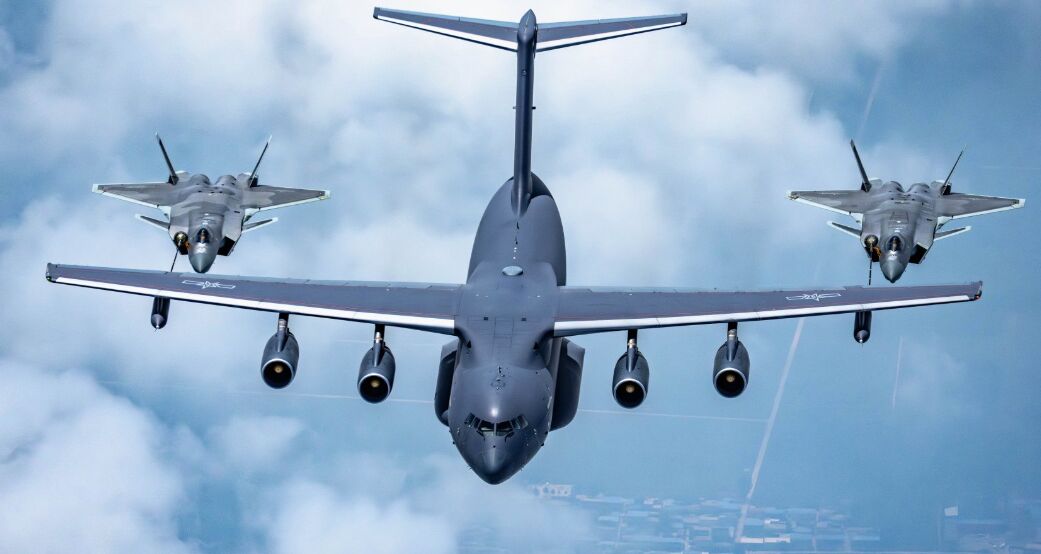
YY-20 Refuels Two J-20 Stealth Fighters
Chinese state media has revealed that its YY-20A aerial tanker performed an airborne command role during the People’s Liberation Army Air Force’s deployment of J-16 fighters to Egypt for the Eagles of Civilisation 2026 exercise. Described as operating as an “airborne command node,” its ability to contribute to command and coordination in addition to providing aerial refuelling could make it significantly more valuable for operations than previously thought. The Y-20 is currently the world’s largest tanker and heavy lift aircraft design in production worldwide, and is rapidly entering service to form the backbone of the Chinese fleet.
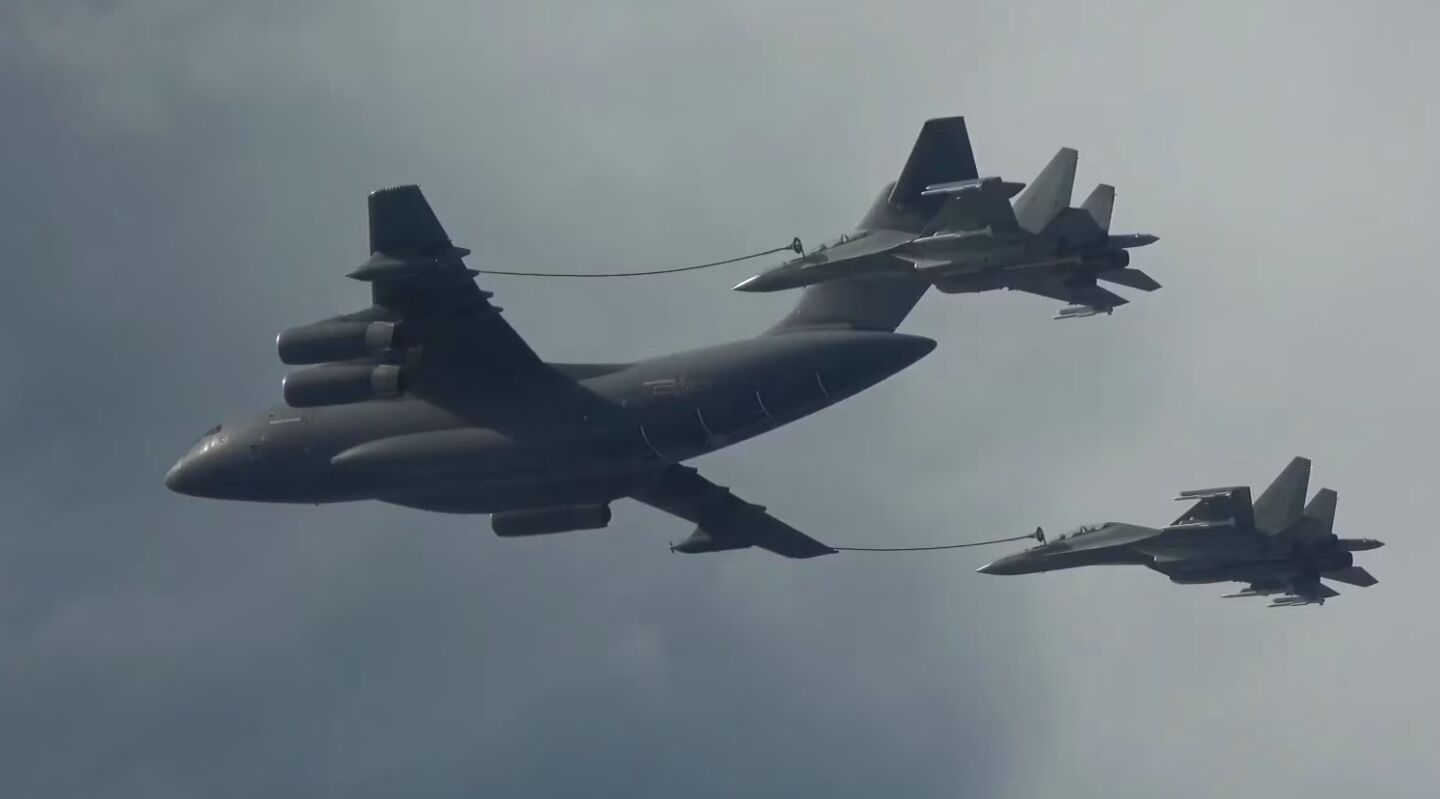
The Chinese force traveled more than 6,000 kilometres to reach Egypt, during which YY-20A tankers refuelled J-16 fighters, allowing them to participate in an overseas exercise without requiring multiple intermediate stops. Commenting on the YY-20A’s capabilities, CCTV reported: “The tanker performed aerial-refuelling duties and also served as an airborne command node,” indicating that it was integrated into its airborne command-and-control architecture during the long-distance transit. The extent to which the aircraft are relied on for such roles remains uncertain.
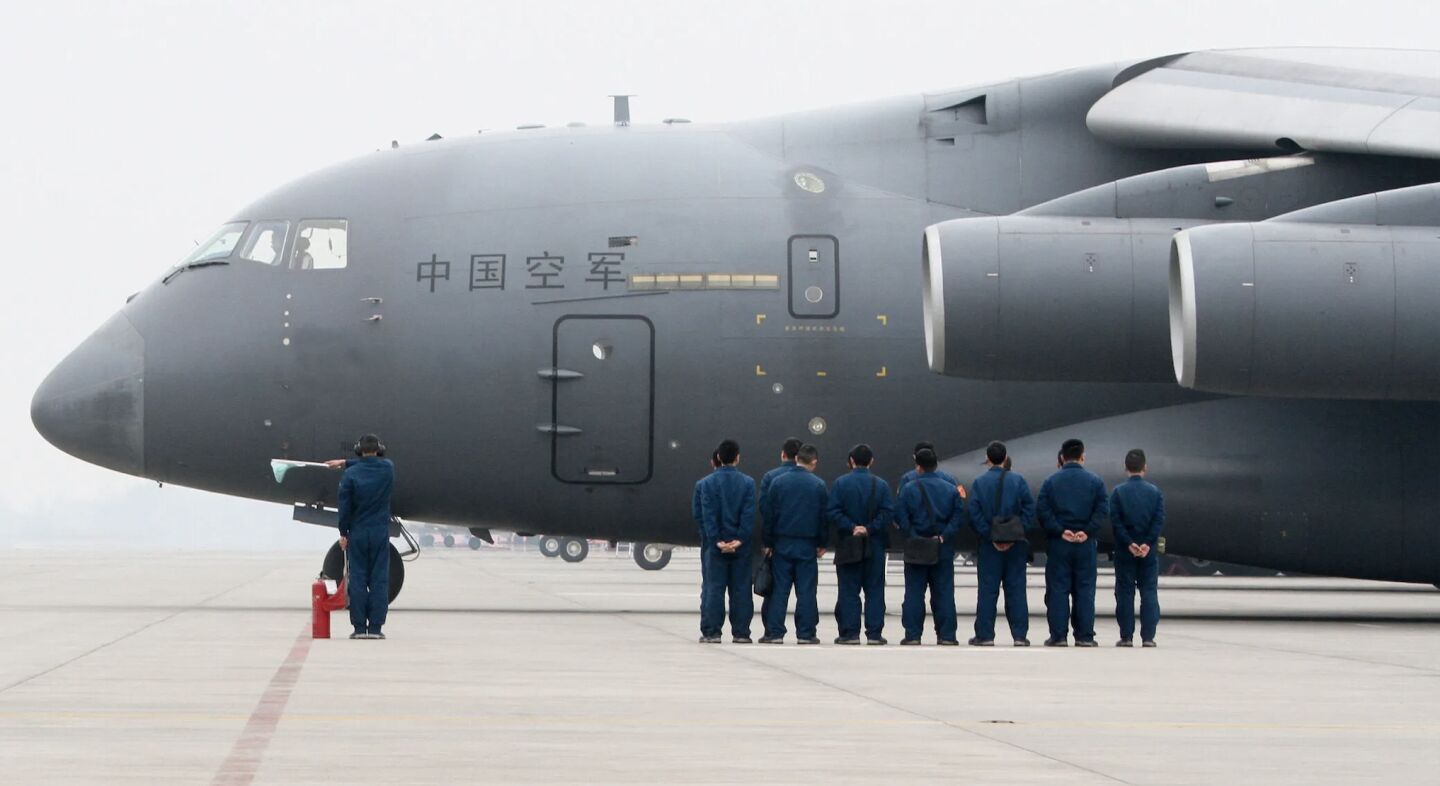
Airborne command and control is normally associated with dedicated special-mission aircraft, such as China’s KJ-500, which was specifically designed to provide airborne early warning, battle-management and command functions. Other special-mission aircraft provide electronic warfare, intelligence and communications capabilities. The YY-20A’s newly disclosed role therefore appears to represent a complementary capability rather than a replacement for these dedicated platforms. It complements the world’s largest buildup of airborne warning and control aircraft, which is currently being staged by China.
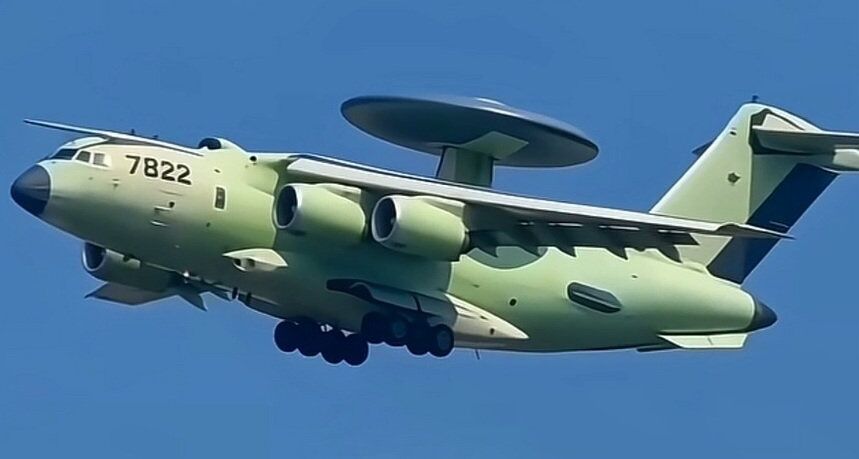
Chinese sources have not publicly disclosed whether the YY-20A carries dedicated removable communications equipment, additional operators, specialised data links or other mission systems for the deployment. Nor has Beijing indicated that the tanker possesses anything approaching the full sensor and battle-management capabilities of the KJ-500. Earlier in August Chinese state media highlighted the Y-20B’s ability to switch between transport and aerial-refuelling configurations, and discussed the possibility of using the platform for additional missions, including electronic warfare and airborne early warning. A dedicated AEW&C system based on the Y-20, the KJ-3000, is also currently in advanced flight testing.
