China’s Aircraft Carrier Liaoning Concludes a Month Operating Near the Philippines: Redeploys to South China Sea
Military Watch Magazine Editorial Staff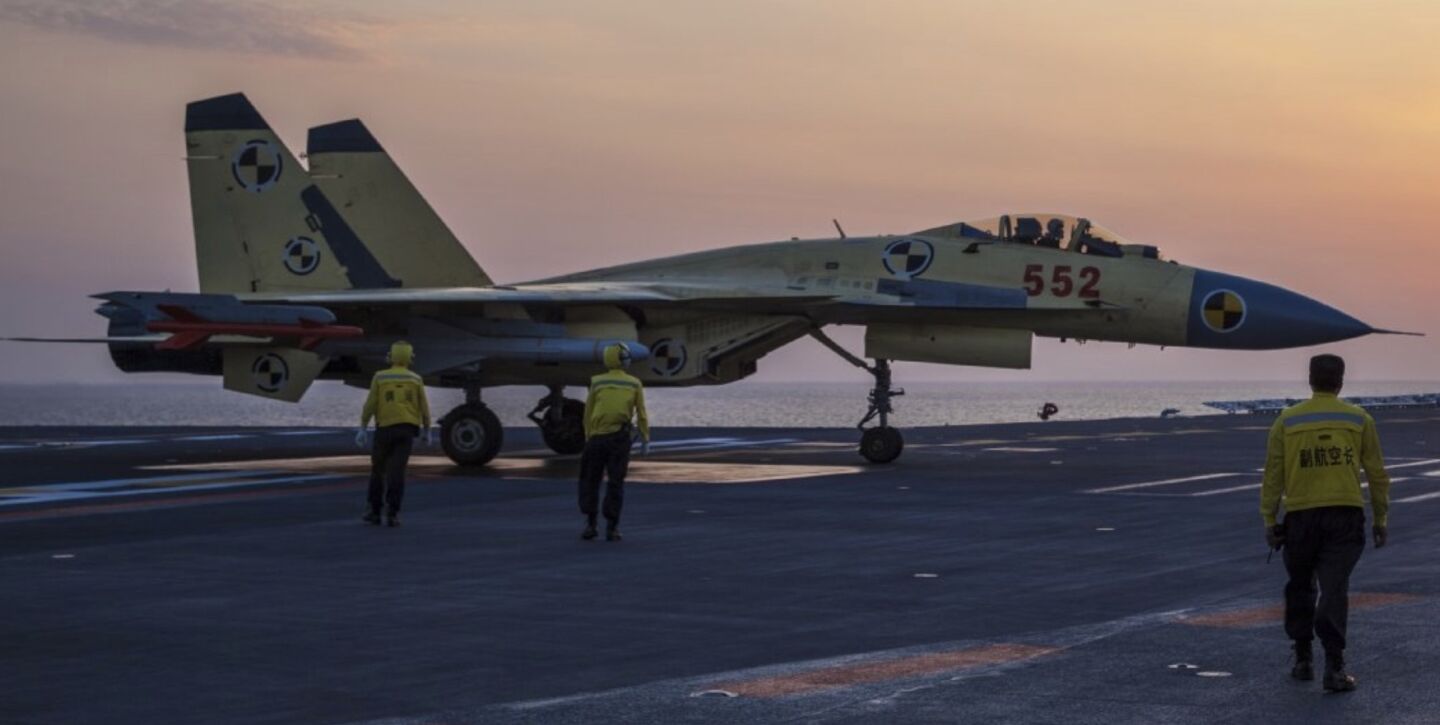
J-15 Fighter on the Carrier Liaoning During Early Years in Service
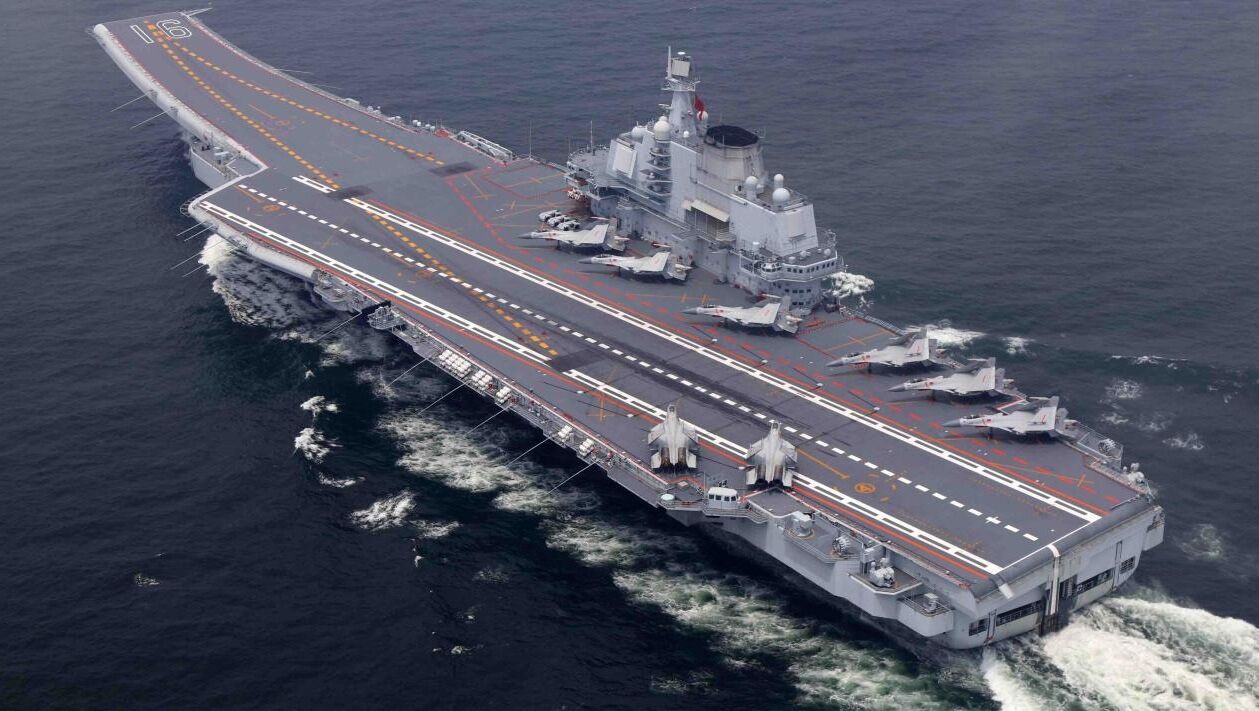
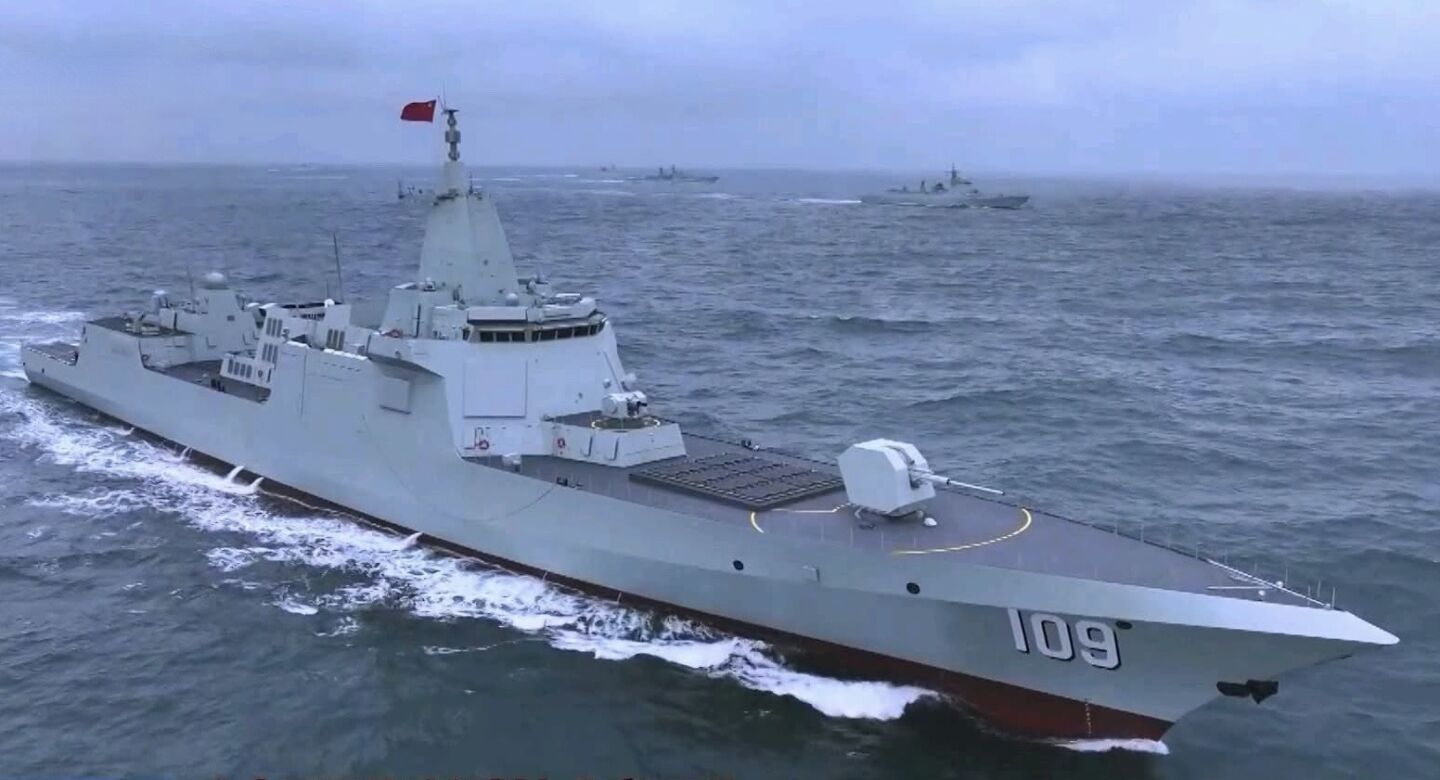
China’s aircraft carrier Liaoning has returned to the South China Sea marking the latest stage of a lengthy deployment that has already seen the warship and its strike group operate for more than a month in the Philippine Sea. The carrier left its home port of Qingdao in mid-October and travelled south around the Philippine archipelago, passing through the Mindoro Strait. The deployment forms part of the navy’s annual training program, with the Navy having stated that the exercises were intended to test and improve the group’s combat-oriented training and strengthen its ability to fulfil operational missions. The carrier has been accompanied by a Type 075 helicopter carrier, two Type 055 destroyers, and a lighter Type 052D destroyers, alongside other smaller vessels.
The waters between China and the Philippines have emerged as a leading hotspot for tensions between China and the United States, with a Chinese H-6 strategic bomber in the third week of November having allowed itself to be identified by flight trackers between Scarborough Shoal and Luzon in an apparent show of force. In mid-2024 U.S. and Chinese warships reportedly engaged in intensive electronic warfare battles in the region, as reported by multiple local and U.S. sources. Electronic warfare engagements reportedly lasted a full twelve hours in the northern Philippines, resulting in American warships facing “an unprecedented crisis—screens full of static and a total loss of GPS signals.” The fleet withdrew due to the serious disruption of communication and navigation capabilities.
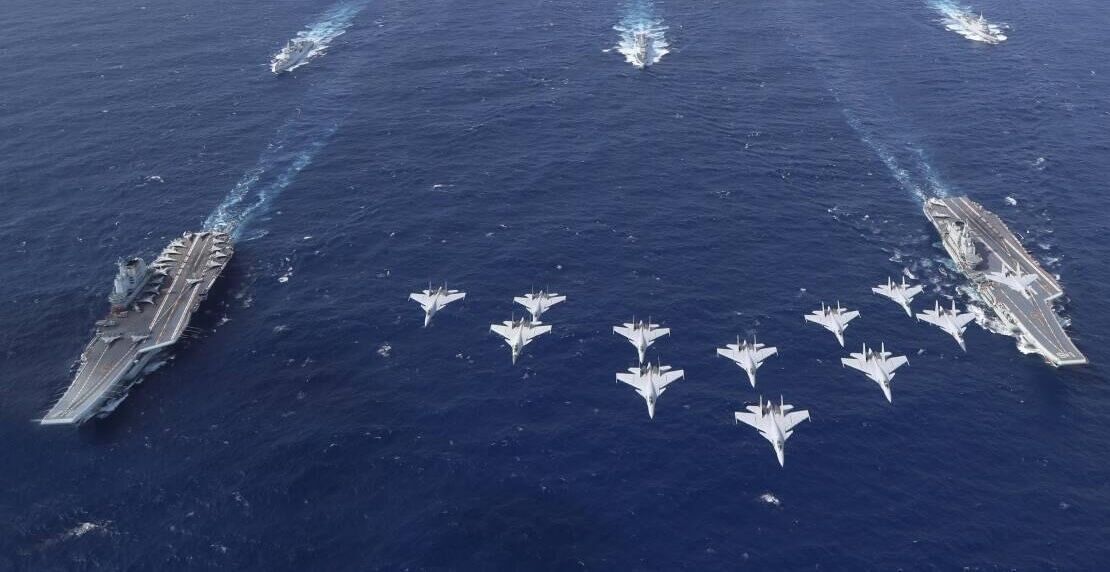
The Liaoning reached the Philippine Sea on 23 October and was assessed to have remained there until late November. Its latest deployment follows an extended period of training earlier this year. In June, the Liaoning and its accompanying vessels returned to port after more than 40 days of exercises in the South China Sea and western Pacific, demonstrating the navy’s ability to sustain operations across multiple maritime areas, requiring coordination between the carrier, its escorts and embarked aircraft. The Liaoning’s deployments have occurred as its sister ship the Shandong in early November departed dry dock at Yulin Naval Base on Hainan Island after approximately nine months of deep refurbishment. The third operational carrier, the Fujian, was in early November confirmed to have reached an “optimised operational state” one year after entering service, as the Navy was able to gain more experience operating the much larger and more complex ship.
China has been able to maintain far higher rates of aircraft carrier availability than the United States, with American carriers spending much longer in maintenance. The age of American carriers, many of which are approaching half a century in service, has significantly further increased maintenance requirements, while the significant decline of the U.S. industrial base after the end of the Cold War has further had a highly detrimental impact. The U.S. Government Accountability Office has identified outdated shipyard facilities and equipment, repair backlogs and workforce capacity as persistent constraints. Chinese ships are not only newer, and supported by a much more robust industrial base and shipbuilding industry in particular, but are also conventionally powered rather than being powered by nuclear reactors, which further significantly reduces the complexity of maintenance and refurbishment.
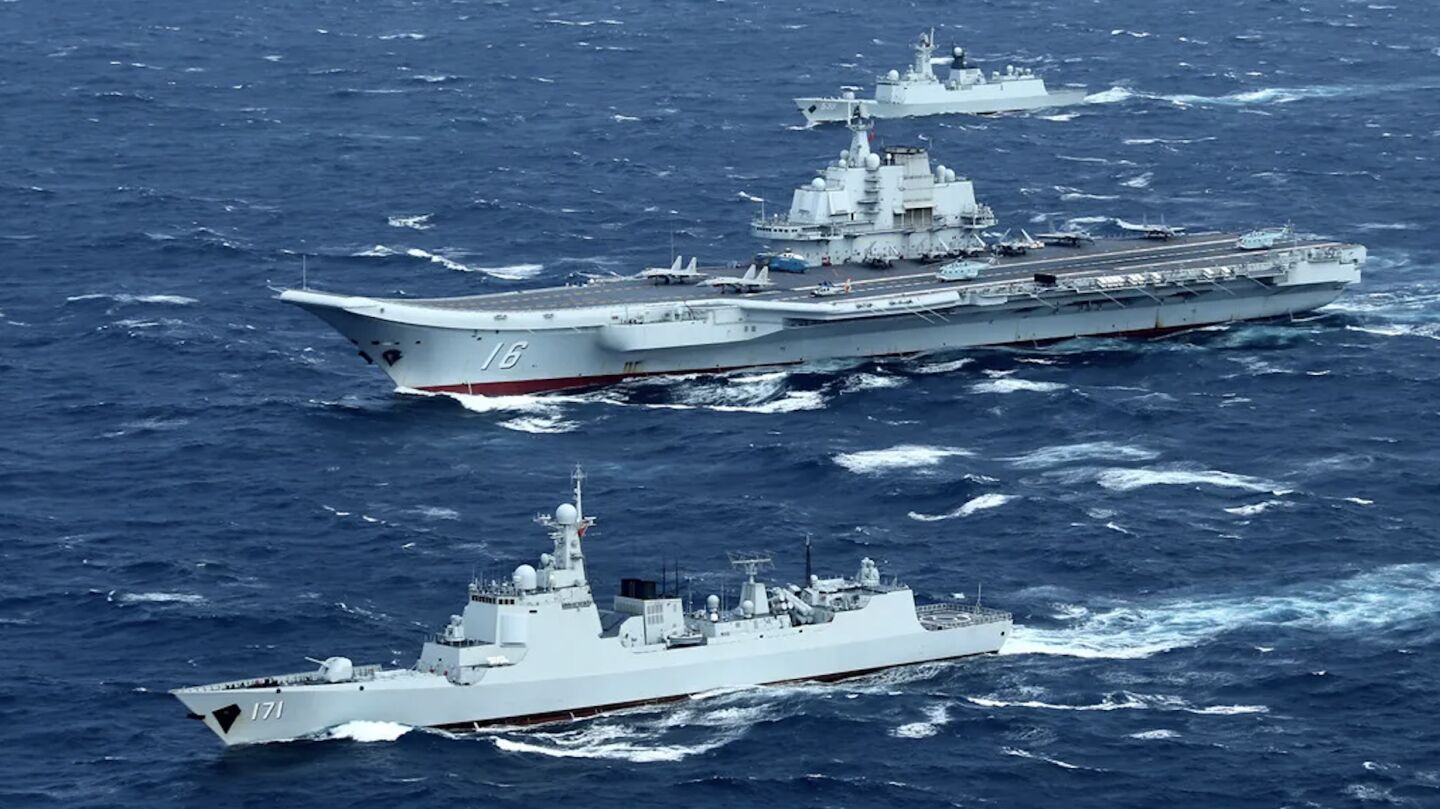
The Liaoning is one of the largest aircraft carriers in the world outside the U.S. Navy, displacing over 70,000 tons. It uses a ski-jump flight deck and arresting wires, unlike the newer warship Fujian, which is a much larger flattop supercarrier with electromagnetic catapults. The vessel is based on the Soviet Kuznetsov class design, and was procured partly completed after the USSR disintegrated, although it is significantly more modern and has demonstrated far higher reliability than the problematic Russian carrier Admiral Kuznetsov. Commissioned in 2012, the carrier was in 2024 confirmed to have seen its air wing modernised with new J-15B ‘4+ generation’ long range fighters and J-15D electronic warfare aircraft, which are in many respects the world’s most capable carrier-based combat jets. The J-15B is unrivalled among carrier-based fighters in its weapons carrying capacity, speed, altitude, and the size and power of its radar, as well as in many aspects of its flight performance including manoeuvrability and range.