
British Forces Stage Month-Long Tracking Operation Against Russia’s Nuclear Submarines
Military Watch Magazine Editorial Staff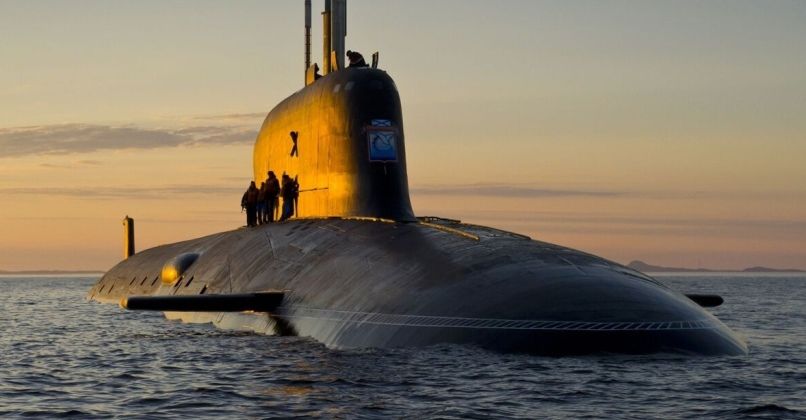
Russian Navy Yasen Class Nuclear Powered Attack Submarine
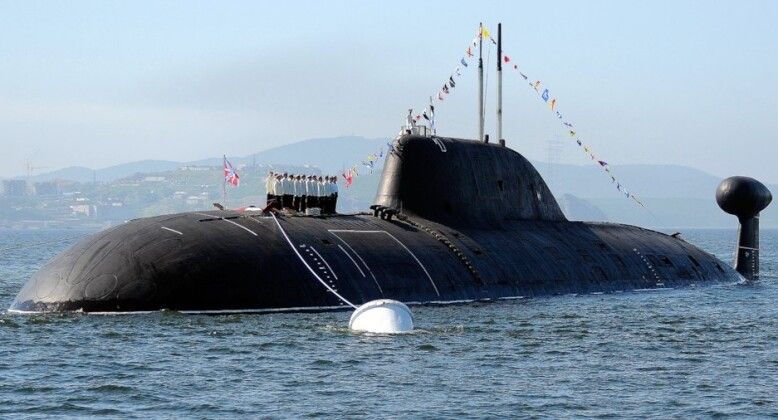
The British Armed Forces have conducted a month-long operation to track three Russian submarines in British waters, accounting to a statement on March 9 by Defence Secretary John Healey. The secretary observed that an Akula class attack submarine and two spy submarines were involved, with the two secretive ships, referred to as the ‘Gugi class,’ having spent time over "critical infrastructure relevant to us and our allies.”Healey added there "no evidence that there has been any damage" to British cables and pipelines, but that any attempt to damage this infrastructure would not be tolerated and would have "serious consequences.” These operations occurred amid high tensions between Russia and the United Kingdom, as British forces and contractors are actively involved in combat against Russian forces in the Ukrainian theatre.
The capabilities of the Russian nuclear powered submarine fleet have long been cause for serious concern among Western Bloc states, with the head of the British Royal Navy First Sea Lord General Gwyn Jenkins having in December 2025 warned that NATO members could soon lose their advantage in the Atlantic Ocean as a result of the significant strengthening of Russian naval capabilities. The capabilities of the Yasen class attack submarine, a much more sophisticated successor to the Akula class, are considered a primary factor stimulating such concerns. Russian President Vladimir Putin was confirmed on July 24, 2025, to have given instructions to continue the serial production, emphasising the ships’ role as the backbone of the Navy’s general-purpose forces.
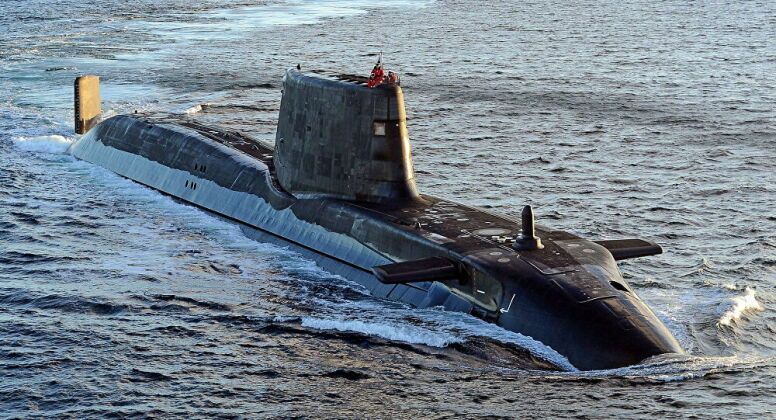
While the British Royal Navy’s surface and attack submarine fleets have both suffered from outstandingly poor availability rates, serious concerns have been raised regarding the future of the country’s submarine capabilities. Costing approximately $2 billion each, Astute class nuclear powered attack submarines currently in production have been criticised for their major cost overruns, greater than expected maintenance needs, and very small armament of just 38 cells accommodating either torpedoes or cruise missiles. Raising questions regarding the capabilities of the fleet, former director of nuclear policy at the Ministry of Defence Rear Admiral Philip Mathias in December 2025 highlighted that it suffered from “shockingly low availability” rates, with budget cuts and a “huge failure” in the management of key personnel having exacerbated the problem.
