
Britain Confirms Major Role in NATO’s Arctic Buildup Against Russia with New Marine Deployments
Military Watch Magazine Editorial Staff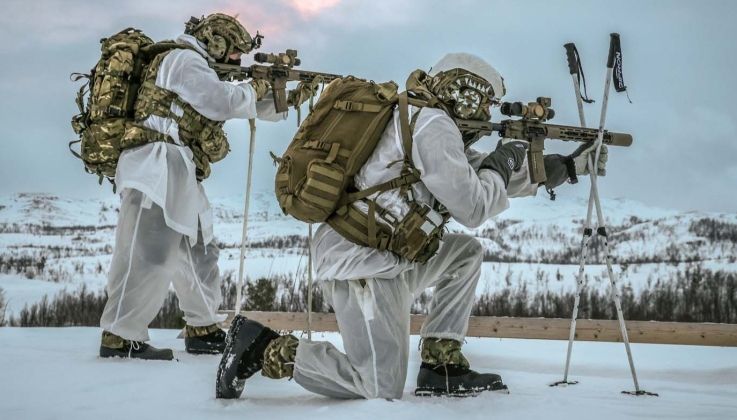
British Royal Marines in the Arctic
UK MoD
The British Ministry of Defence has detailed plans to significantly expand the country’s military presence int he Arctic, including doubling the Royal Marines’ presence in Norway from 1,000 to 2,000 personnel over the next three years, and taking on a central role in NATO’s new Arctic Sentry mission. As NATO plans a significant expansion in the scope of its exercises across the High North, the British Armed Forces are scheduled to play a much expanded role, as part of the country’s broader policy of positioning it at the forefront of alliance efforts to escalate against Russia across multiple theatres. This also reflects a growing recognition of the Arctic’s strategic significance, with resources in the region accounting for 20 percent of Russian GDP, while NATO members have sought to deny Russia access trillion of dollars worth of untapped energy and mineral sources that are being made accessible by receding ice levels.
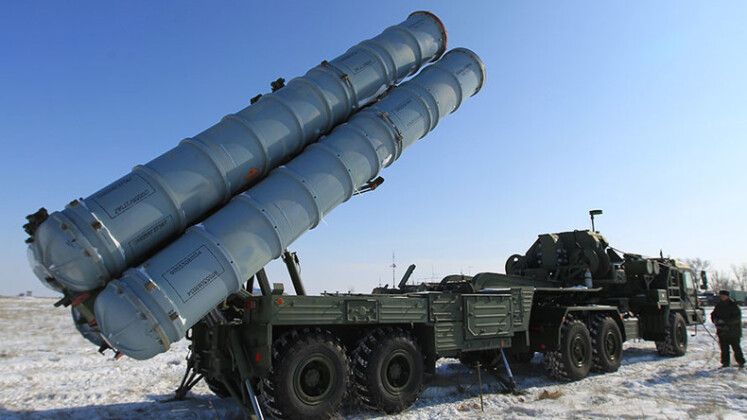
Commenting on the shift in the United Kingdom’s military focus, former British Army Lieutenant Colonel Stuart Crawford observed: “When ministers speak of strengthening deterrence and protecting critical national infrastructure, they are acknowledging a shift that has been building for some time. The strategic contest with Russia has moved northwards. Pretending otherwise would be complacent.” “Doubling Britain’s presence in Norway is therefore sensible. Our Royal Marines possess genuine cold-weather expertise. Norway has long been a key training partner,” he noted, adding that “With Sweden and Finland now NATO members, the northern flank has been transformed strategically. Integration and coordination are no longer optional; they are essential.” He stressed that readiness for expanded Arctic operations were particularly critical as “new shipping routes and resource opportunities are emerging” as polar ice recedes.
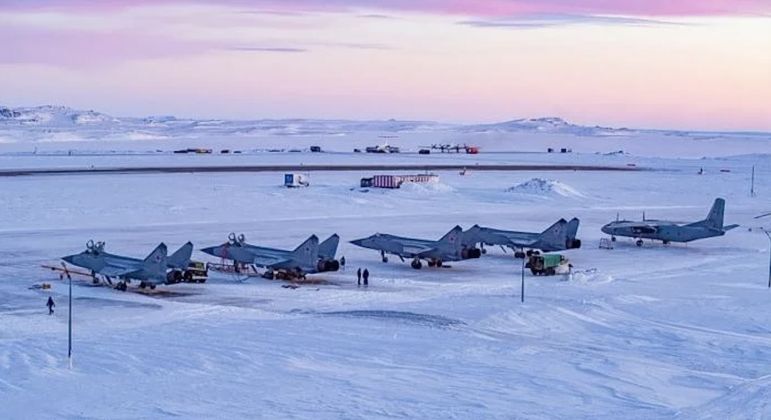
Beyond its resource wealth, the Arctic is vital for Russia’s maritime nuclear deterrent, with the large majority of its ballistic missile submarines being based in the region. The opening of the Northern Sea Route has also made the ability to disrupt civilian shipping in the region vital to any Western Bloc effort to impose a distant blockade on Russia or China, complementing the deployment of NATO members’ forces across the Pacific, the Indian Ocean and the Middle East. Russian officials have increasingly warned that expanding Western force deployments across its trade routes, particularly in the Arctic and Baltic, appear intended to provide a chokehold for offshore blockade operations.
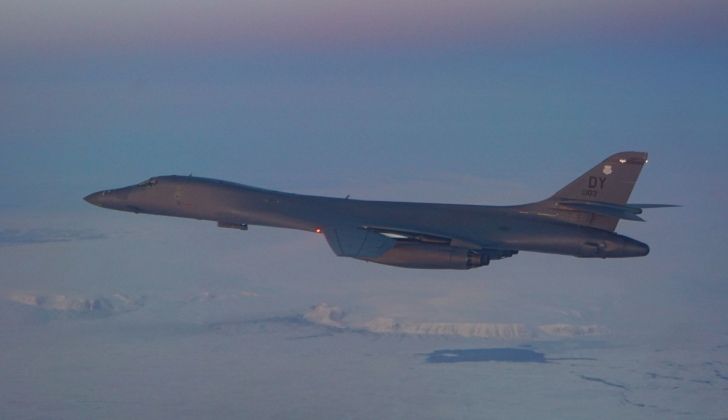
As part of the broader escalation in the United Kingdom and other NATO members’ involvement in the Arctic, Exercise Cold Response 26 will formally commence in March, with Western Bloc states have already begun to deploy forces to the region in preparation. As one of the Western Bloc’s largest Arctic training events in years, the exercise was designed to test NATO’s ability to operate and fight in extreme Arctic conditions, and will include over 25,000 military personnel from 12 countries operating under NATO command structures. Senior Russian officers have expressed significant concern at the expansion of NATO forces in the Arctic, with Russian Navy Commander-in-Chief Admiral Alexander Moiseyev having warned in December 2025 that NATO members bordering the Arctic had significantly accelerated the construction of icebreakers and ice-class ships, while developing a wide range of drone types intended specifically for combat in the region. “These actions prove that Russia is forming military instruments of deterrence in the Arctic. However, I’d like to note that we are not moving closer to their borders; they are moving closer to ours,” he noted.
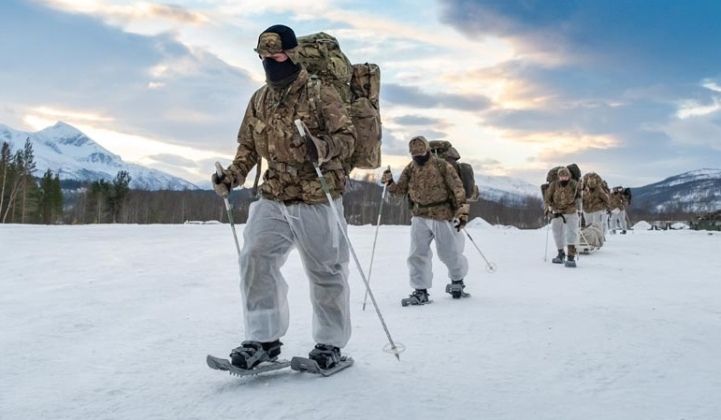
Ahead of expanded multinational exercises, the British Royal Marines in the second week of February began to conduct intensive live fire mission rehearsals in Northern Norway, with 1,500 British “elite commandos” reported by Royal Navy to be have been deployed within the Arctic Circle. Marines operated to the mountains near the village of Moen close to 300 kilometres inside the Arctic Circle to fire 81mm mortars as part of these exercises. The exercises were reported intended to build up to their participation in Cold Response 26. Commenting on the expansion of the British presence in the region, Defence Minister John Healey observed: “Demands on defence are rising, and Russia poses the greatest threat to Arctic and High North security that we have seen since the Cold War. We see Putin rapidly re-establishing military presence in the region, including reopening old Cold War bases.”
