
Extreme Mismanagement Crippling Britain’s Nuclear Submarine Program: Fleet Availability Now ‘Shockingly Low’
Military Watch Magazine Editorial Staff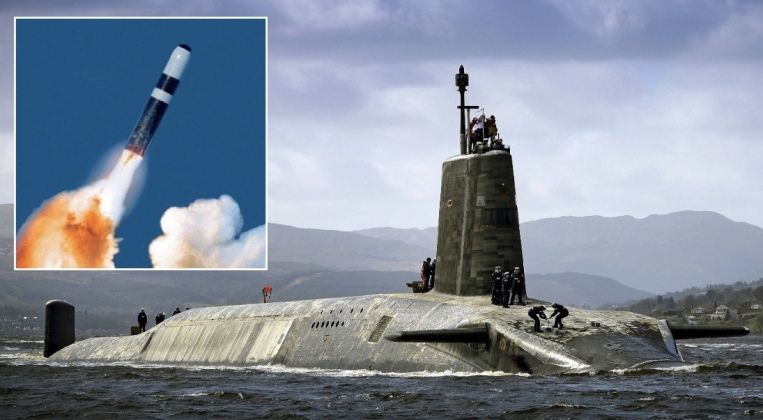
Vanguard Class Submarine and Trident II ICBM
The United Kingdom is no longer capable of running its nuclear submarine program, as years of mismanagement have seriously eroded fleet availability rates and a wide range of other performance metrics, according to former director of nuclear policy at the Ministry of Defence Rear Admiral Philip Mathias. Sharply criticising the state of the submarine fleet, the former admiral argued that the fleet has suffered from “shockingly low availability” rates, with budget cuts and a “huge failure” in the management of key personnel having exacerbated the problem. He observed: “The UK is no longer capable of managing a nuclear submarine program… Performance across all aspects of the program continues to get worse in every dimension. This is an unprecedented situation in the nuclear submarine age. It is a catastrophic failure of succession and leadership planning.”
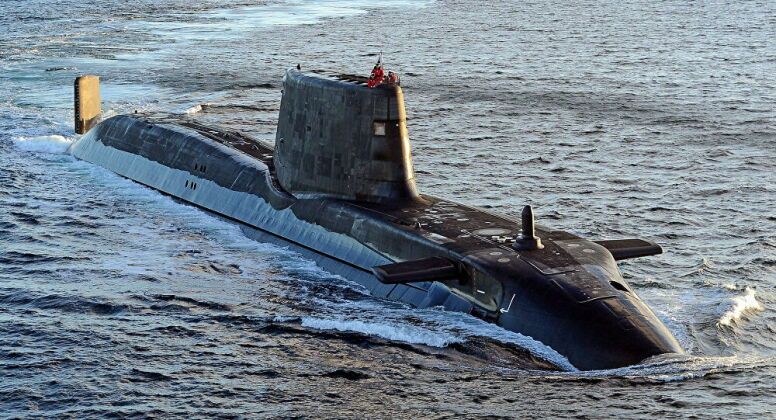
Mathias urged the British government to withdraw from the AUKUS pact with Australia and the United States, which is meant to provide up to 12 new nuclear submarines for the Royal Navy, and instead focus on more “cost-effective” systems such as smaller unmanned submarines. He also highlighted ongoing delays to both the delivery of Astute class attack submarines and to the development of Dreadnought class ballistic submarines. Both programs have suffered from very significant cost overruns. Although the sixth Astute class ship HMS Agamemnon was commissioned into service in September, “the uncomfortable truth is that she took over 13 years to build – the longest-ever construction time for a submarine to be built for the Navy,” he observed.
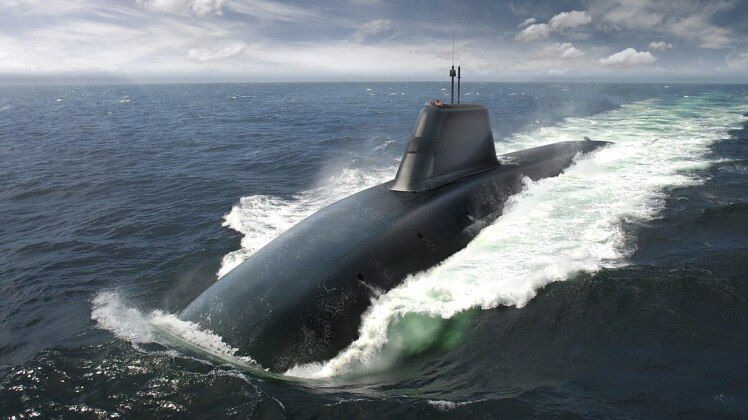
Former Rear Admiral Mathias has been far from isolated in his observations, with Simon Case, the official overseeing British submarine construction plan, having in November informed the parliamentary defence committee that “decades of neglect” had severely weakened the industry. “Somehow we became the world’s most embarrassed nuclear nation,” he concluded. The extreme decline of the British Royal Navy’s surface fleet, and of the country’s fighter and ground capabilities, have left the submarine fleet alongside special forces as one of the few remaining areas where the United Kingdom retains world class capabilities. The British Ministry of Defence was in June revealed to be planning to finance an expansion of its fleet of nuclear-powered attack submarines to more than double its current size, with the goal of fielding 12 next generation attack submarines up from a fleet of just five at the time.
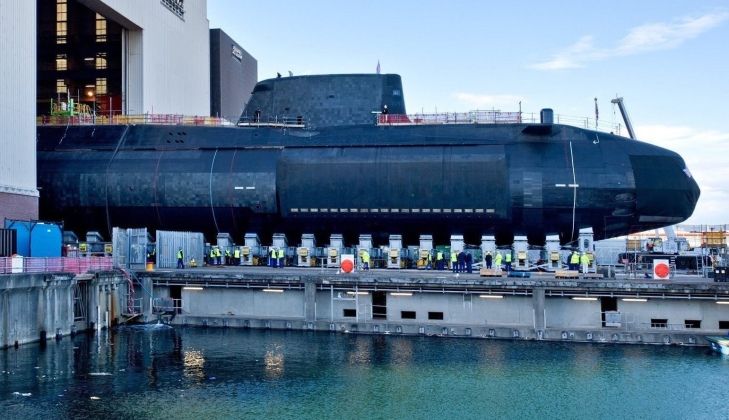
British weapons programs have been affected by a consistent post-Cold War trend towards major cost overruns and performance bugs, which has affected the Astute class submarine program among others, which seriously limits the possibility of fielding 12 next generation submarines for under $40 billion. The Astute class fleet itself is unable to reach the intended top speeds it was designed for, and among other issues has suffered from leaks, corrosion, and a number of reliability issues. There has been a consistent trend towards major procurement programs suffering deep cuts, ranging from the highly troubled Type 45 class destroyer program which saw the planned fleet sized halved due to cost overruns, to the F-35B fleet which is not expected to reach half of the planned 138 aircraft. Astute class attack submarines are estimated cost over $2 billion each, and while the next generation SSN-AUKUS ships are expected to cost closer to $4 billion each, when taking into account inflation and new generations of propulsion, quieting, communications and weapons technologies.
