
British-Japanese Stealth Fighter Program Sees UK Treasury Take Over Funding Management Amid Budget Crisis
Military Watch Magazine Editorial Staff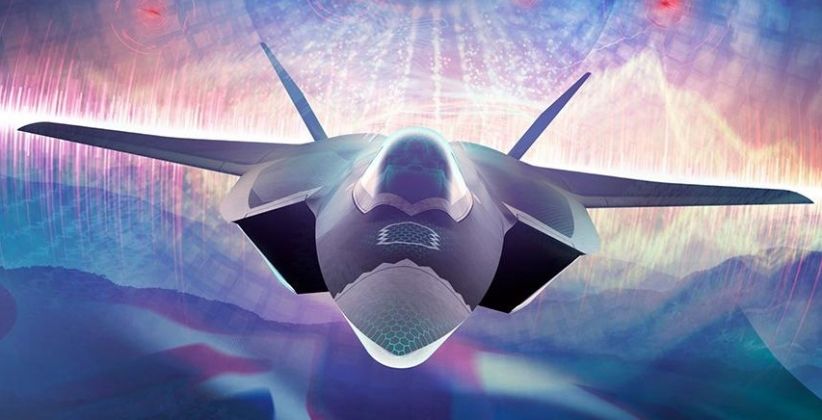
GCAP Fighter Artwork
On June 4 it was confirmed that the Treasury of the United Kingdom would take over the management of the massive expenditures for the Global Air Combat Programme (GCAP), injecting up to £6 billion (approximately $8 billion) in additional funding to prevent a repeat of past procurement mistakes by the Ministry of Defence. The United Kingdom currently faces a £28 billion defence funding shortfall, with officials having repeatedly expressed the need to increase military spending to over 2.5 percent of GDP at a time of escalated hostilities with Russia and other Western Bloc adversaries. The temporary financing agreement for the next generation fighter program expires at the end of June, which has drawn significant attention from Japan which is a partner in the program.
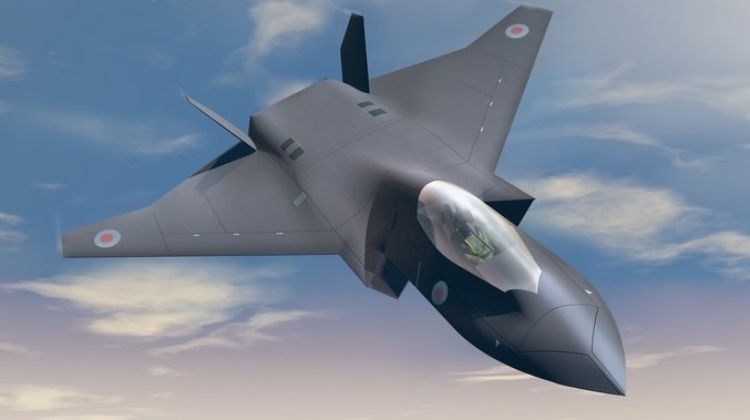
The Treasury has decided to treat GCAP as a “major government project,” modelled after the HS2 high-speed rail or the Dreadnought class nuclear powered ballistic missile submarine program, with cross-ministerial oversight intended to strengthen financial discipline. While an international contract has not yet been signed, the British government reiterated its commitment to trilateral cooperation in developing the aircraft alongside Japan and Italy. While Treasury intervention can prevent costs from spiralling out of control, it may also slow down decision making. The decision to have the Treasury take over management highlights a prioritisation of financial responsibility under fiscal pressure over more rapid military modernisation, at a time when the United Kingdom faces a looming financial crisis.
Analysts have widely projected that the GCAP will likely suffer from very considerable cost overruns, major development delays, and a performance that is far from competitive with modern Chinese and U.S. fighter types which currently lead the world in their capabilities and sophistication. Among the notable indicators of this is the record of the British combat aviation industry, with both its Tornado and Eurofighter programs having suffered from similar issues and been very far from competitive in their times. Assessments of all major British weapons programs in the post-Cold War era have provided similar indications of major issues with the country’s defence sector. Notable examples include the Type 45 class destroyer, the Queen Elizabeth class aircraft carrier, the Ajax armoured fighting vehicle, and the Astute class attack submarine, which have all been among the most problematic programs of their types in the world. It is likely that once issues with the program begin to more fully materialise, Japan will increase investment in procuring F-35 fighters from the United States and will more seriously consider procuring the U.S. F-47 sixth generation fighter.
