
Britain’s $5 Billion Heavy Carrier Suffers Critical Flooding Damage: Repairs To Take Over Half a Year and Cost Millions
Military Watch Magazine Editorial Staff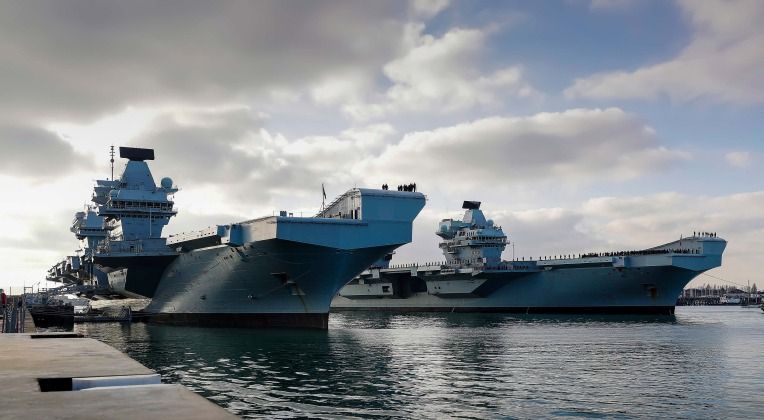
British Queen Elizabeth Class Carriers
Crown Copyright
The latest in a series of troubles facing Britain’s Queen Elizabeth Class carrier program, the second of two ships in the class the HMS Prince of Wales has suffered serious flooding which will take at least six months to repair. The ship’s planned voyage to the United States, where it would have carried out ‘Westlant 21’ trials using F-35B vertical landing capable fighters, will have to be postponed or cancelled as a result. The flood reportedly occurred while the warship was in dock in Portsmouth on England’s southern coast, and is thought to be the result of faulty pipes. Footage of serious flooding below decks, including water pouring down concrete stairs and submerging electrical cabinets, was revealed by British media outlet the Sun, with floods filling an engine compartment with at least three feet of water. The paper note that “thousands of gallons of seawater poured into an engine room and submerged electrical cabinets for over 24 hours,” with necessary repairs requiring, among other things, checking miles of cables which is expected to cost millions of British pounds. The two warships themselves cost approximately $9.74 billion to commission, or $4.87 billion each, although expenses are fast rising and the air wings of each are significantly more costly still than the actual ships. High costs and an increasingly strained defence budget notably have led to calls to lease the Prince of Wales to the U.S. Navy rather than operating it, although these are unlikely to materialise.
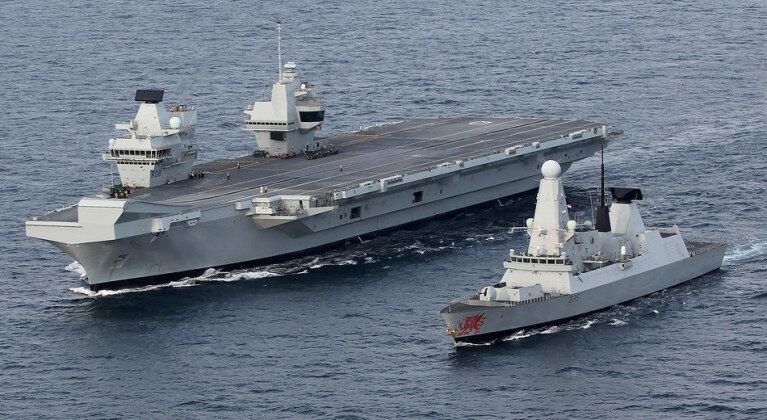
Flooding has damaged the aircraft carrier’s high-voltage electrical propulsion system, comprised of two Rolls Royce Marine gas turbine alternator and four diesel engines. These represent the most costly part of the ship, and provide a total power of around 110 megawatts. Had the ship had a nuclear propulsion system, which was reportedly considered early on in the program, the disaster could potentially have been significantly worse. Had the incident taken place at sea when the engines were running, the hazards from the floods would also have been considerably more serious. The hazards from the high voltage electric propulsion system will make damage control much more complicated and potentially dangerous. Since its commissioning in early December 2019, the HMS Prince of Wales has suffered two floods in less than a year - the first less serious one occurring in May 2020. Its sister ship the HMS Queen Elizabeth has also suffered serious performance issues, among them a flood in July 2019. These issues represent a broader trend in the British Royal Navy’s surface fleet with destroyers and amphibious ships also suffering from low availability rates and a number of performance issues.
