
Britain’s Last Aircraft Carrier? Royal Navy Commissions Second Queen Elizabeth Class Warship HMS Prince of Wales
Military Watch Magazine Editorial Staff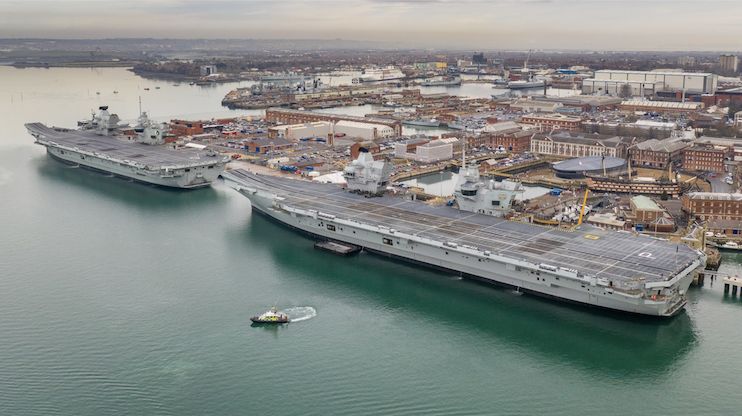
British Royal Navy Carriers HMS Queen Elizabeth and HMS Prince of Wales
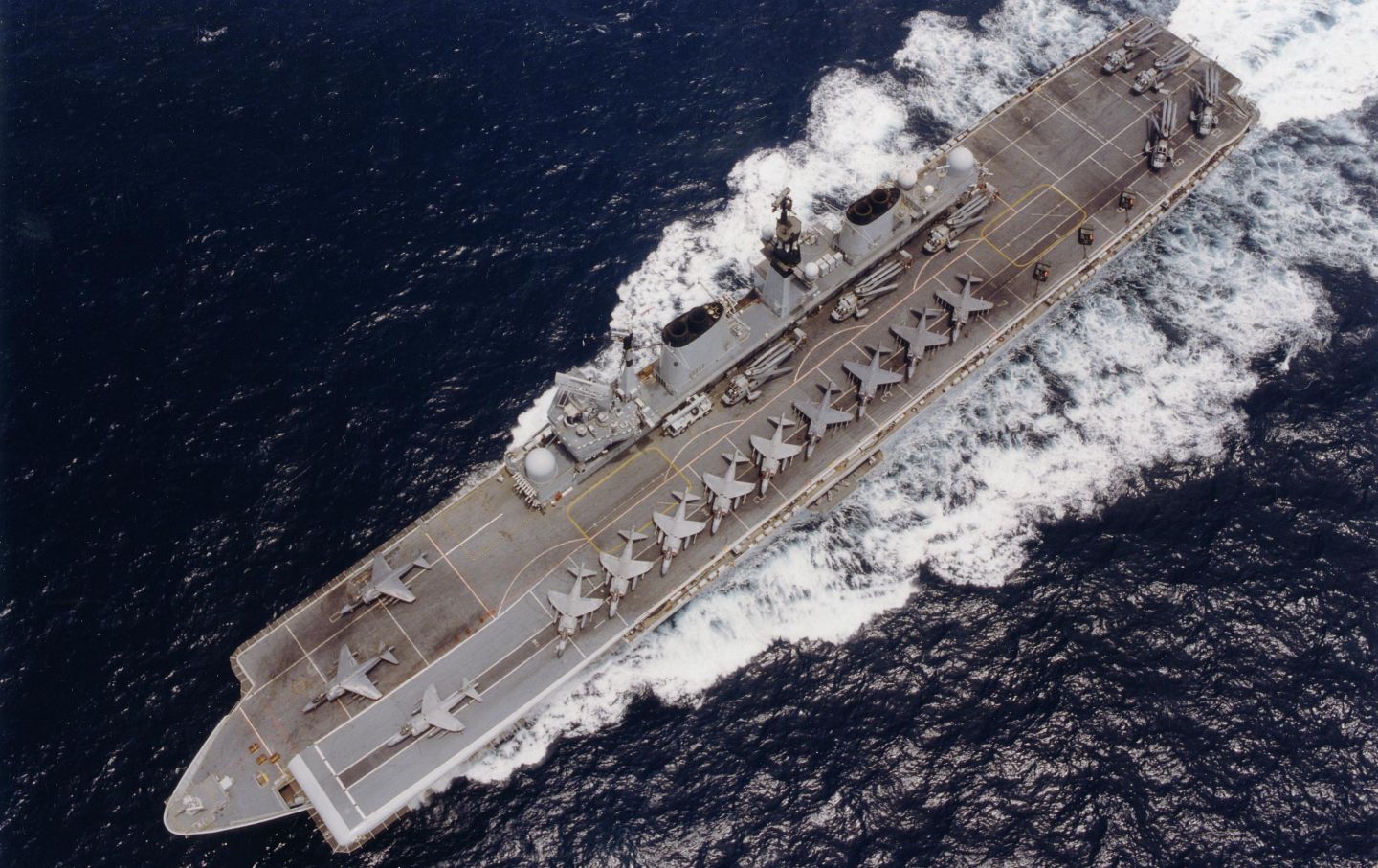
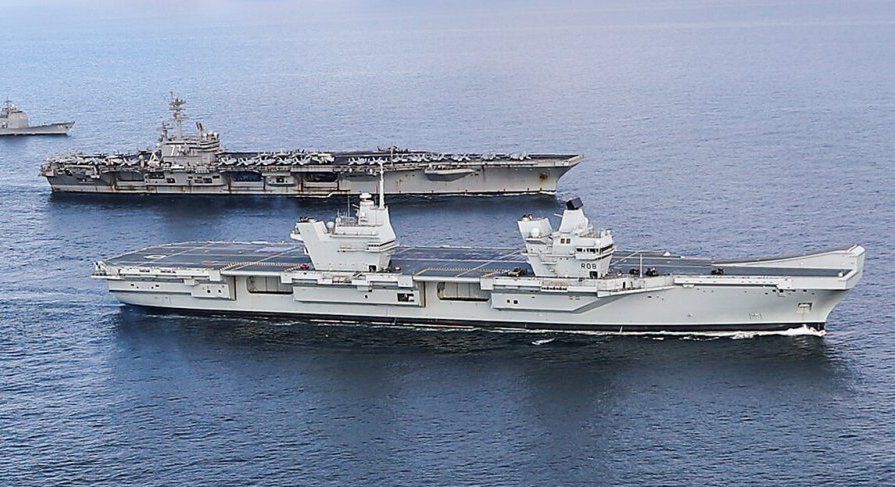
Two years after the commissioning of its first heavyweight carrier, HMS Queen Elizabeth, in December 2017, Britain’s Royal Navy has commissioned its second warship of the class - the HMS Prince of Wales. Like the first warship of the class, the Prince of Wales displaces 65,000 tons - giving the British Royal Navy’s active carrier fleet a collective displacement of 130,000 tons. This places the Royal Navy’s carrier fleet second in size only to that of the United States Navy at almost 1.5 million tons, although China’s People’s Liberation Army Navy’s carrier fleet is expected to surpass the size of its British counterpart in early 2020 and by 2025 will displace well over 400,000 tons. The Queen Elizabeth Class ships are approximately three times the size of the light 22,000 ton Invincible Class platforms which preceded them - warships which were laid down from the early 1970s and notably spearheaded the British war effort during the Falklands War. The three Invincible Class carriers built were decommissioned from service in 2005, 2011 and 2014 respectively.
The HMS Queen Elizabeth and HMS Prince of Wales notable represent the only British heavyweight carriers laid down since the end of the Second World War, with two programs to develop heavyweight carriers cancelled. These were the 1940s Malta Class program and the 1960s Queen Elizabeth Class program both of which would have seen warships built to displace around 55,000 tons. Despite the size of the new British carriers, and the generally high costs of British warships particularly when compared to their American, Chinese and Russian counterparts, the HMS Prince of Wales and its sister ship HMS Queen Elizabeth between them cost just £6.2 billion - or $8.15 billion. This made the cost of both warships combined considerably lower than that of a single American Gerald Ford Class supercarrier - with the 100,000 ton warship USS Gerald Ford costing an estimated $13 billion.
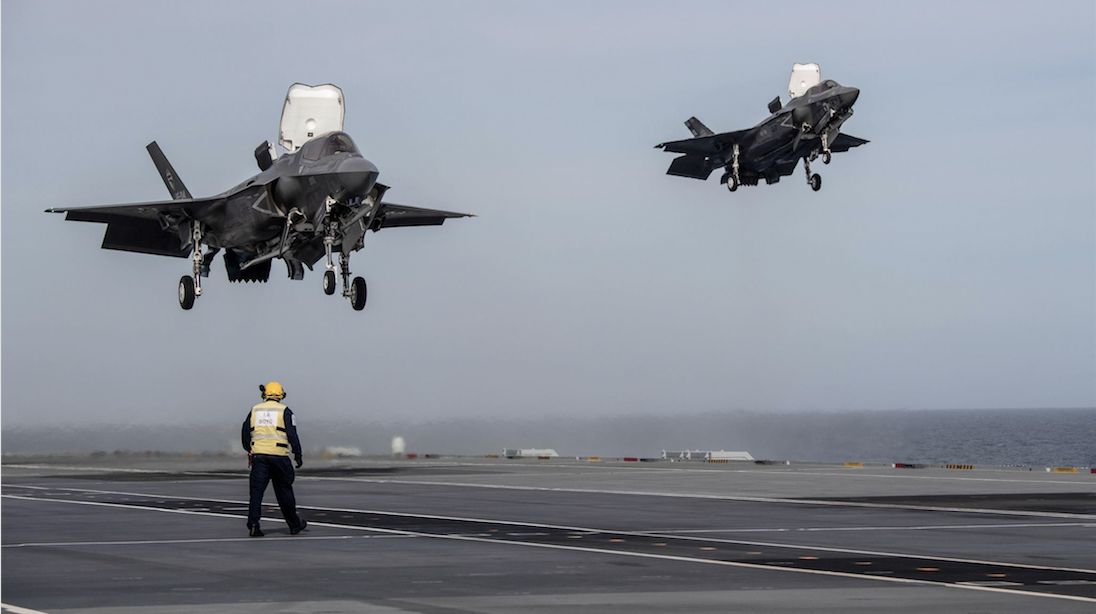
Low costs for the British carrier program have been achieved by a combination of factors, most notably the lack of arresting gear, the lack of a catapult launch system and the lack of a nuclear propulsion system integrated onto the aircraft. While reducing costs, these compromises will significantly reduce the warship’s endurance and seriously limit its ability to deploy fixed wing aircraft. The lack of arresting gear in particular will force the ships to rely on the costly F-35B vertical landing capable fighters - ending the possibility of deploying AWACS platforms or electronic attack jets such as E-2 Hawkeyes or E/A-18G Growlers for support. It will also prevent the carriers from deploying other fighter designs, such as the upcoming Air Dominance Fighter being developed for American Gerald Ford Class supercarriers.
While the costs of the Queen Elizabeth Class carriers themselves are low, and crew requirements are minimised by high levels of automation, reliance on the F-35B fighters exclusively represent a significant hidden cost for the British carrier program. Not only are these fighters the most costly in production anywhere in the world, significantly moreso than the F-35C which an arresting gear equipped carrier would be able to deploy, but they are also more expensive to operate and require far more maintenance than their counterparts built for conventional landings. This will impose considerable additional costs on the Royal Navy so long as it operates carrier air wings from the HMS Queen Elizabeth and HMS Prince of Wales. The F-35B's capabilities, including its endurance and manoeuvrability, are also considerably lower than those of other F-35 variants.
The costs of Britain’s carrier program have raised serious questions regarding whether the country can afford to operate two aircraft carriers, and led to considerable pressure from other branches of the military to put aside at least one of these vessels. The possibility of a lease to the U.S. Navy, which also operates the F-35B, has been raised within the armed forces. With Britain’s economy struggling under considerable debt, and the Royal Navy facing significant issues with almost all of its major warship classes, it remains a significant possibility that the HMS Prince of Wales will be the last aircraft carrier the country will commission.
