
50 Years Flying Too Fast To Hit: MiG-25 Foxbat Marks Half Century as World’s Fastest Combat Jet
Military Watch Magazine Editorial Staff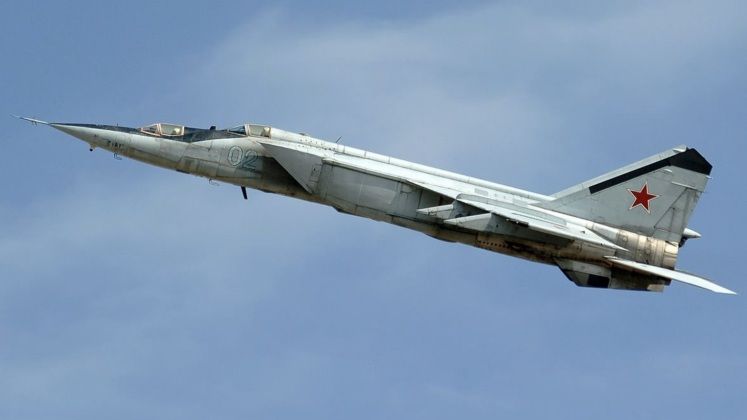
MiG-25 Foxbat Heavyweight Interceptor
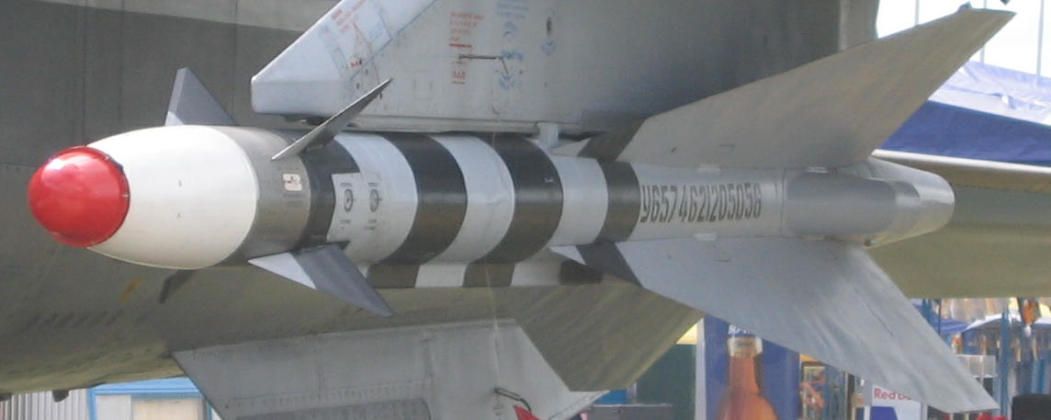
The 2020 Marks 50 years since the Soviet MiG-25 Foxbat heavyweight interceptor first entered service in the country’s armed forces, with the elite combat jet breaking the record for the world’s fastest combat jet and retaining its position for five decades since. The Foxbat is widely considered the most capable combat jet of the third generation, and would be heavily enhanced to reach a fourth generation level under the MiG-25PD program. The program saw the aircraft fitted with a new Sapphire-25 look-down shoot-down radar, superior R-15BD-300 engines, new avionics and electronic warfare systems, a new armaments system and more powerful variant of its much feared R-40 air to air missile. The Foxbat was prized for its ability to accommodate both a very large radar and up to four R-40 missiles, which not only had a very long engagement range of 40-100km, breaking world records when they entered service, but also carrying extremely large 100kg warheads - over five times that carried by its Western competitors. Multiple specialised variants of the Foxbat were developed to meet various mission requirements, including the MiG-25RR built for radiation sampling to monitor the Chinese nuclear program and the MiG-25BM which deployed surface to air missiles for suppression of enemy air defences.
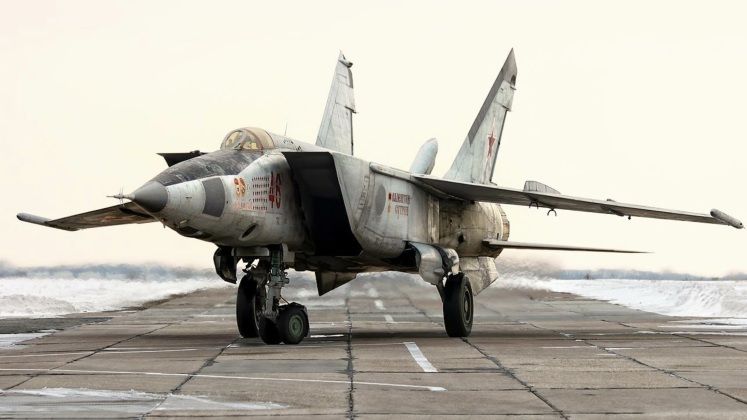
While the Foxbat’s sensor suite and weaponry were impressive, the design is best known for its outstanding flight performance which made it extremely survivable even when engaging the most advanced Western heavyweight combat jets such as the F-14 Tomcat and F-15 Eagle of the fourth generation. The high survivability of the aircraft was first proven just one year after the MiG-25 entered service, with four of the aircraft outfitted for reconnaissance and deployed to a Soviet military facility in northern Egypt in 1971. The Foxbats carried out multiple overflights of the Israeli-held Sinai Peninsula, and although the territory was extremely heavily fortified, with defences rivalling the most heavily defended areas in Western Europe which faced the Warsaw Pact forces, the MiG-25s proved capable of evading all Israeli defences. Against a range of the latest American-suppled weapons systems including F-4E Phantom fighters, AIM-7 Sparrow missiles and MIM-23 Hawk air defence systems, the fast and high flying Russian jet was all but invulnerable.
The Foxbat would demonstrate extreme survivability multiple times during the Cold War, and although the Iraqi Air Force deployed only a small contingent of the jets they remain to this day the most capable jets in air to air combat ever fielded by the oil rich Middle Eastern state. While Iraq’s Foxbats were heavily downgraded as export variants, they proved almost impossible to target for both Iran’s American-supplied F-14 fighters during the Iran-Iraq War and later for the U.S. Air Force during Operation Desert Storm - engaging American F-15C Eagles multiple times and consistently evading the vast majority of missile attacks. The F-15 and F-14 would remain the most capable Western fighters in service until 2005. The MiG-25 would also perform overflights of Pakistani nuclear facilities and population centres when flown by the Indian Air Force, which Pakistan’s newly delivered F-16 fighters were wholly unable to threaten, and unverified reports also indicate Algerian flights near Spanish territory which the Southern European state was at a loss to counter. The presence of MiG-25s over Algerian airspace was also sufficient to deter Israeli airstrikes on the country in the late 1980s, with the Foxbat posing a major threat to Israel's F-15s.
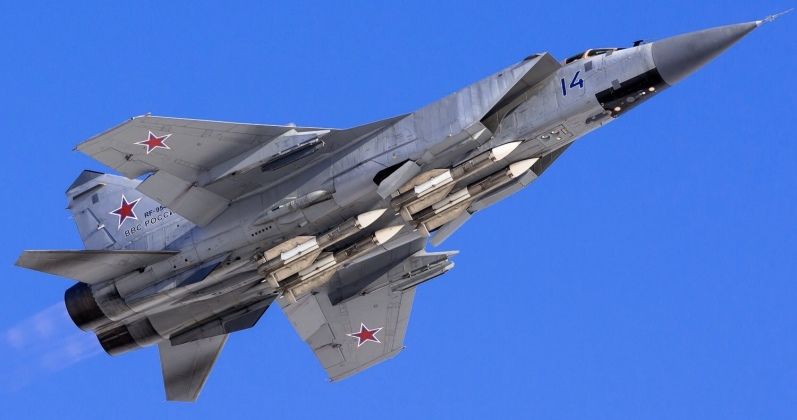
Although export variants of the MiG-25 lacked the Soviet original’s advanced electronic warfare systems or sensors, they proved survivable due to their unrivalled operational altitude and their very high speed which could exceed Mach 3.2. Although hypersonic combat jets capable of exceeding Mach 5 speeds are currently under development, none have entered service as of yet meaning the Foxbat’s speed record has not been surpassed. The MiG-25 program would ultimately be wound down in the 1990s due to a number of factors. The Russian Air Force notably had only a fraction of the funds of its Soviet predecessor from the early 1990s, meaning the bulk of its combat fleet had to be retired from service and funds could no longer be made available for modernisation of the Foxbat’s capabilities. The jet was extremely costly to operate and had a very high fuel consumption, meaning it was more cost effective for the Russian Air Force after the Soviet collapse to instead acquire Su-27 and Su-30 fighters which, though much slower, were more versatile and could integrate much newer technologies. The aircraft was also surpassed by the MiG-31 Foxhound interceptor, its direct successor which was loosely derived from the Foxbat design. The Foxhound was also slower than the Foxbat, although still very fast with the ability to exceed Mach 2.8 speeds, but integrated a much larger and more powerful radar, had a much longer range and endurance and could be pressed into roles such as anti-shipping and satellite hunting. The last Foxbats were retired from Russian service in late 2013, likely for budgetary reasons, with the country investing heavily in costly new Su-34 and Su-35 fighters from early the following year.
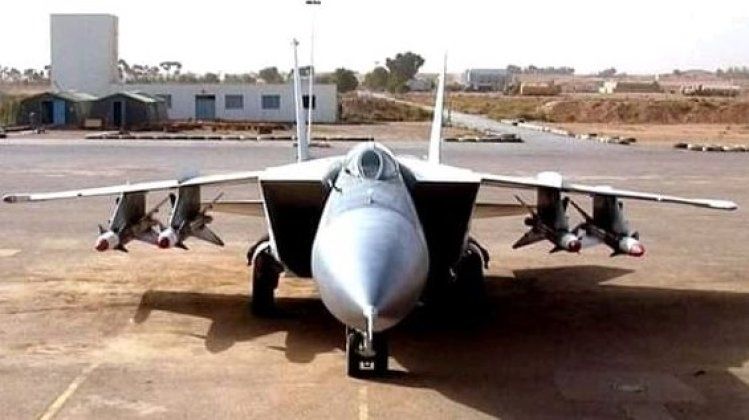
The MiG-25 today serves only in the Algerian Air Force in a frontline role, with Algeria’s Foxbats notably surpassing even those in Soviet service due to a major customised refurbishment package purchased in the 1990s which included new sensors, weaponry, electronic warfare systems and avionics. Foxbats are also deployed by Libya and Syria, although Western military intervention in the former and Western-backed insurgency in the latter has relegated MiG-25s in both countries to a reserve position. It is expected that Algeria will retire its MiG-25s before 2030, likely much earlier, for replacement by Su-57 next generation heavyweight fighters which are the most capable Russian combat jets in production today. Constraints on Syria’s post-war defence budget also mean that the country may well retire its Foxbats in favour of aircraft with a lower operational cost such as the MiG-29SMT or even the MiG-35 - both of which are much lighter and will be cheaper to field. The Foxbat’s 50 year title as the world’s fastest combat jet is likely to be lost in thee 2020s as hypersonic aircraft such as the Russian MiG-41 near readiness for frontline service, with the new sixth generation interceptor excepted to exceed Mach 6 speeds and fly at altitudes at least 50% higher than the Foxbat. For the MiG-25 to have held such a title for so long however, and to have maintained its dangerous reputation to this day despite the Soviet collapse undermining the program, is a major feat in and of itself for the Foxbat.
