
Algeria’s Deadly Mach 3+ Interceptors: MiG-25 Foxbats in Africa and Their Upcoming Replacements
Military Watch Magazine Editorial Staff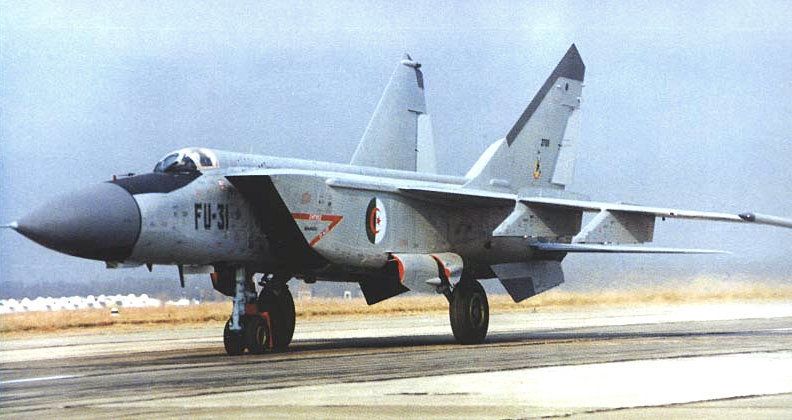
MiG-25 Foxbat Heavyweight Interceptor
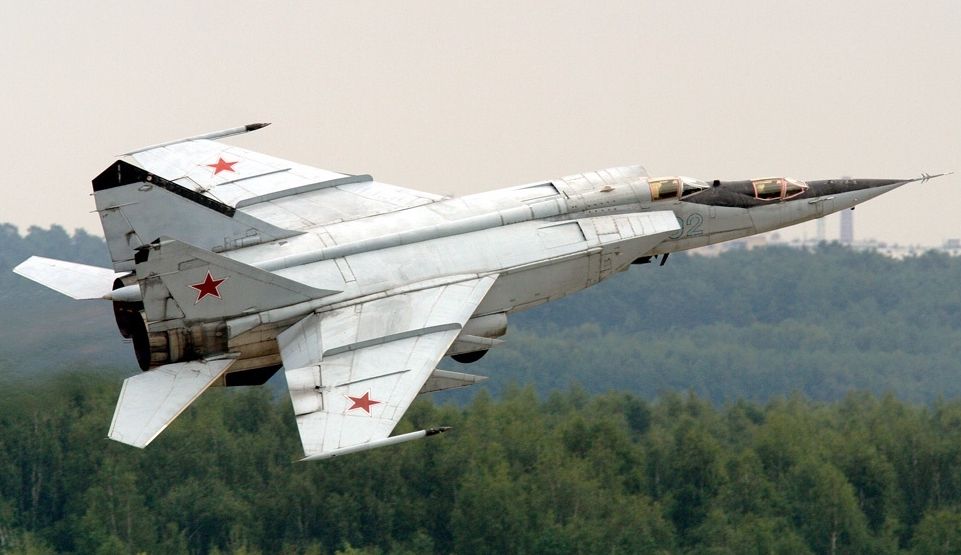
The MiG-25 Foxbat entered service in the Soviet Air Force in 1970 as the most capable jet in air to air combat of its time, breaking multiple records for its flight performance and remaining to this day the fastest combat aircraft ever developed. The interceptor was outstanding not only for its powerful sensors and weapons and high flight performance, but also for its size and weight - which at 34,000kg was well above rival aircraft such as the MiG-21 (8,350kg), which formed the bulk of the Soviet fleet, and the F-4E Phantom (18,000kg) which was by far the most capable Western fighter or interceptor at the time. Due to its considerable cost, and particularly its high maintenance requirements and fuel consumption, export clients for the MiG-25 were relatively few, but among the Soviet defence clients which could afford it the design proved popular due to its many unique capabilities. Foxbats proved capable of going head to head with modern fourth generation fighters, and even for the Western Bloc’s elite F-14 and F-15 heavyweight jets they proved on several occasions to be extremely difficult to neutralise. Although only Iraqi and Syrian Foxbats ever saw combat, the latter deploying the jets in limited numbers after they were provided as part of Soviet aid, several larger operators would continue to deploy the MiG-25 long after the Cold War’s end. While Libya and Syria have retained MiG-25s in their inventories, internal conflict in both countries since 2011 has impeded their ability to keep the high maintenance aircraft operational and limited options for modernisation. With Russia having decommissioned its last Foxbats in 2013, Algeria today remains the only major operator of the class in a frontline role.
Algeria was the first export client for the MiG-25, signing a contract in 1978 for eight MiG-25Ps and two MiG-25PUs interceptors and a further three MiG-25R reconnaissance variants of the jet. The aircraft were first unveiled during celebrations for 25th anniversary of the Algerian revolution on November 1st 1979, and were divided between a single combat squadron, the 120th, and a Reconnaissance Squadron, the 515th. The aircraft were later supplemented by additional purchases to expand the interceptor fleet, and in 1988. Patrols by the elite interceptors played a key role in deterring Israeli F-15s from carrying out airstrikes against the country. Of the Soviet aircraft offered for export during the Cold War, the MiG-25 posed the greatest challenge to the F-15 and had longer ranged missiles with five times the payload and with much higher speeds and operational altitudes.
While the capabilities of the MiG-25 variants initially delivered to Algeria were somewhat limited, which would leave them increasingly at a disadvantage as rival powers began to arm themselves with fourth generation aircraft, the Algerian Air Force would later invest in upgrading its Foxbats to a fourth generation standard. The Soviet Union had itself upgraded the Foxbat with fourth generation technologies under the MiG-25PD program - which saw the interceptors' capabilities enhanced considerably. Among the most significant new technologies integrated were improved variants of the R-40 long range missile, an infra red search and track system and a more powerful radar with a longer range and a look-down shoot-down capability. This allowed the interceptor to capitalise on its high altitude and removed limitations on its ability to engage lower flying aircraft. The Algerian Foxbat modernisation program was reportedly even more comprehensive than the MiG-25PD program, and involved outfitting the jets with further enhanced sensors and electronic warfare systems with Ukrainian assistance during the 1990s. This brought the jets up to a respectable fourth generation standard.
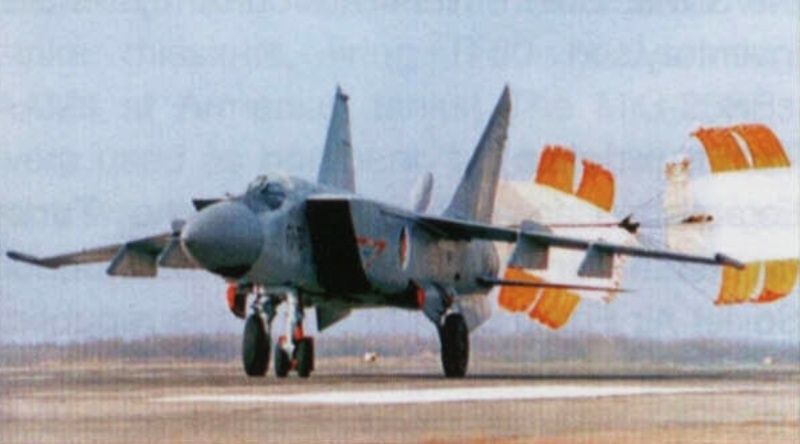
Algeria’s MiG-25s are the oldest combat jets in its inventory, the backbone of which is comprised of Su-30MKA heavyweight platforms supplemented by lighter MiG-29s, which alongside other supporting assets are thought to make up the most powerful Air Force in Africa. The Algerian Air Force is also the last to deploy the R-40 air to air missile, a platform designed for the MiG-25 with a 80km range and a massive 100kg warhead. With the largest territory in Africa, the MiG-25’s long range and its ability to operate at extreme speeds and altitudes has made it a highly valued defensive asset. While Russia has replaced its MiG-25s with the heavier and more sophisticated MiG-31 Foxhound interceptors, Algeria is reportedly planning to acquire Su-35 ‘4++ generation’ heavyweight fighters to replace the Foxbats. What the Su-35 lacks in speed, it compensates for with a longer range and greater situational awareness. The Su-35’s Irbis-E radar, paired with the fighter’s R-37M hypersonic long range air to air missiles, provides a significantly greater coverage than the Foxbats ever could. The missiles retain a 400km engagement range and can strike targets at speeds of Mach 6. Algeria is also considered a leading potential client for the Su-57 next generation fighter, which boasts the same missiles but an even more impressive sensors suite than the Su-35. it is likely that the Foxbats will be phased out of service in favour of one of the two newer fighter classes over the coming decade, although this schedule may be affected by the low level of oil prices which could force cuts to defence spending and thus delay acquisition of new heavyweight aircraft.
