
Who Controls the Skies Over Libya? As Conflict Escalates, Air Power May Prove Decisive
Military Watch Magazine Editorial Staff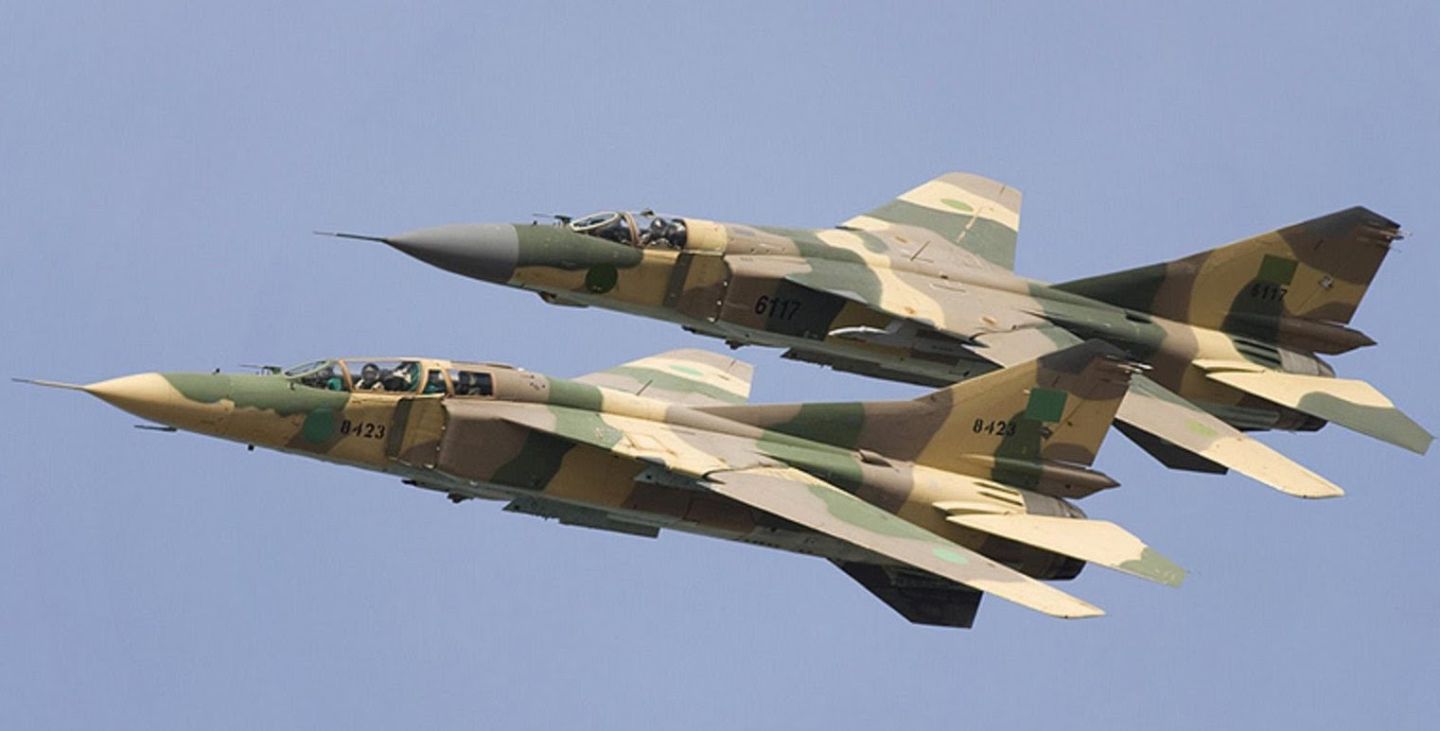
Libyan Air Force MiG-23 Fighters
The Libyan Arab Jamhariya led by Muammar Gaddafi formerly fielded one of the largest fleets of third generation combat aircraft in the world, with several hundred Soviet MiG-23 swept wing fighters, Su-22 strike fighters and elite MiG-25 Foxbat interceptors in service complementing the country’s surface to air missile network comprised primarily of S-200 and 2K12 KuB platforms. Enhanced variants of the Soviet MiG-21, upgraded with third generation sensors, avionics and munitions, were also deployed in considerable numbers. While these aerial warfare assets were all relied on to protect the country against a potential attack from either the United States and its European allies or from Western aligned Egypt during the 1980s, the end of the Cold War and Libya’s rapprochement with the Western Bloc in the early 2000s led it to neglect not only the modernisation of its military - but also to maintenance and updating of existing assets. This was in retrospect referred to by the son of President Muammar Gaddafi Saif Al Islam, at a time when the country was under intensive air attack by Western forces and lacked even a token air defence capability, as one of the country’s greatest mistakes. The consequences for the country were devastating.
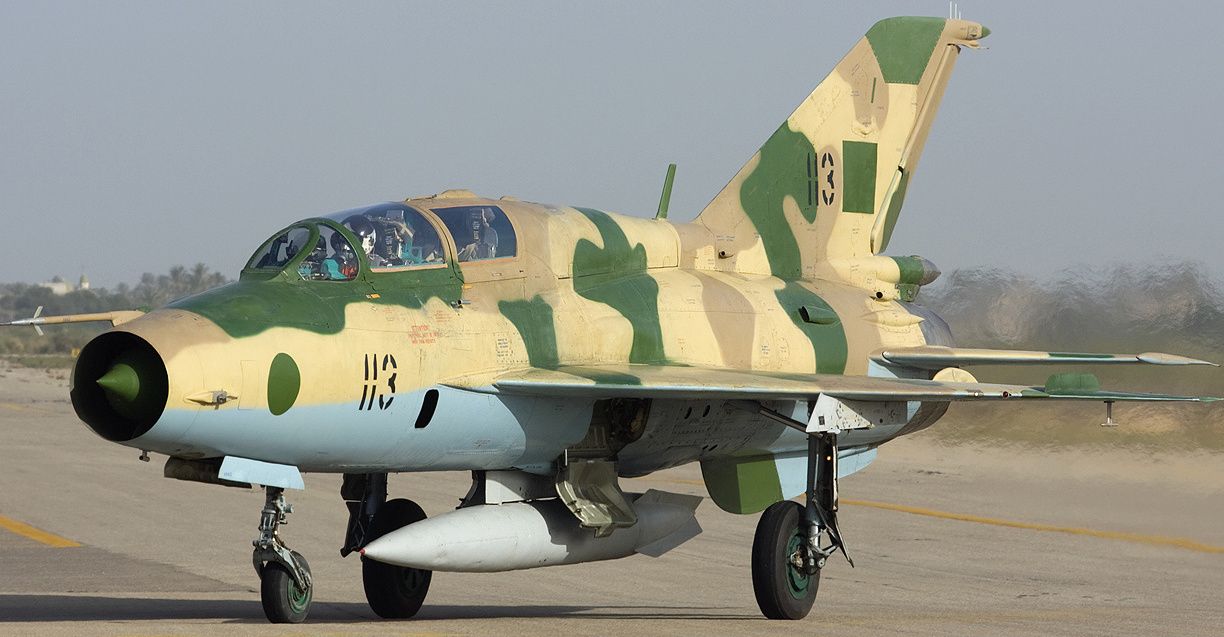
While Libya’s fighter fleet was large, its lack of modernisation or even basic maintenance meant most of it was grounded and unable to participate in the defence of national airspace against Western attacks. Most of its fighter fleet was thus spared, with Western fighters instead focused on disabling airfields and undermining the military’s logistics to ensure that the fleet remained grounded. This meant that the multiple factions which inherited power in Libya and subsequently began to wage war on one another inherited considerably aerial warfare assets - with the Air Force of the Russian, Egyptian and Emirati backed Libyan National Army led by General Khalifa Haftar fielding by far the largest fleet. The fleet has reportedly benefited from assistance in refurbishment of its assets, mainly MiG-21 and MiG-23 fighters, by Egypt and Russia - both former operators of the fighter types. Egypt still operates several hundred MiG-21s, while Russia retains a large reserve fleet of heavily enhanced MiG-23 fighters which were retired from frontline service in the late 1990s. Some of these aircraft have reportedly been delivered to the National Army Air Force to shift the balance of power in the air further in its favour.

The Libyan National Army’s Fleet has been further reinforced by assets from Egypt and the Untied Arab Emriates, the former which reportedly provided MiG-21MF fighters from its own fleet for use. While the United Arab Emirates lacks Soviet aircraft of its own, it reportedly purchased four Mi-35Ps gunships from Belarus in April 2015 and delivered them to its Libyan client. Provision of spare parts and expertise to service these aircraft from Egypt has also proven invaluable. These assets were used to enforce the no fly zone declared by the Libyan National Army over Western Libya from April 8th 2019.
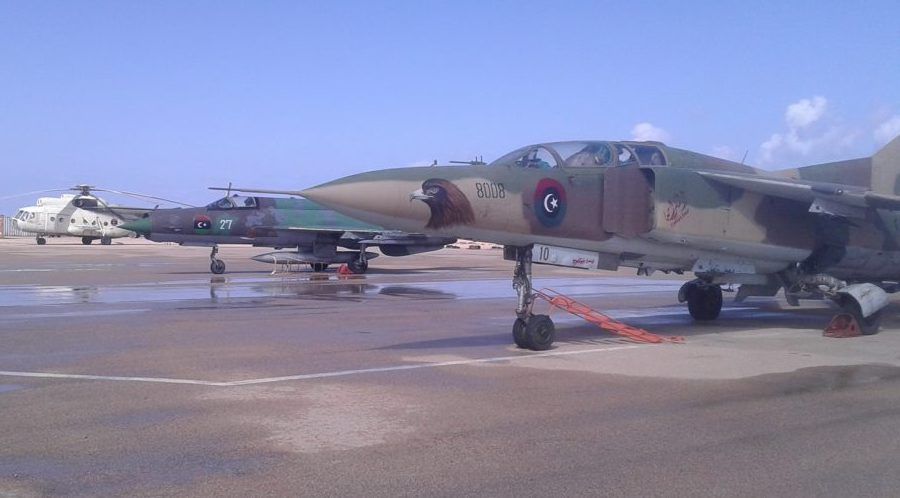
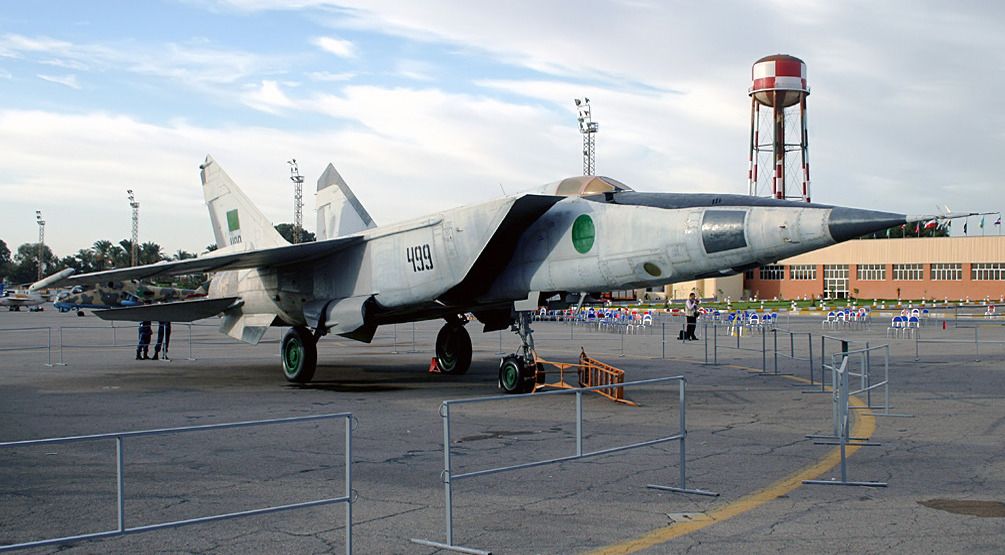
The MiG-25 Foxbat is the most capable combat jet in Libyan service, with formidable sensors, powerful R-40 air to air missiles carrying large 100kg warheads, and the highest speed of any serving combat aircraft capable of exceeding Mach 3, the fighter and has the potential to dominate the skies over the country. Much as was the case during the 2011 Western attack on Libya however, when the Foxbats played no role in the country's defence, the heavy interceptor's high maintenance requirements have made its use somewhat less practical than the simpler MiG-23 and MiG-21 designs. The Libyan National Army Air Force’s operational combat fleet is currently estimated at 14 MiG-21s, two Su-22s and around a dozen MiG-23s, alongside seven Mi-24/35 gunships. This provides these forces with a considerable advantage over the rival Western backed Government of National Accord which deploys less than ten combat jets - including a single MiG-25. A second MiG-25 was previous overhauled and made combat ready, but crashed on its first sortie. The fighter’s complexity made it far from ideal for operation in a civil war where logistics were limited - with the platform designed to operate over Europe and the Asia-Pacific from well defended Soviet airbases where access to fuel and parts was assured.
Further complicating efforts by rival factions today to establish air superiority, the previous Libyan government’s neglect of its aerial warfare assets since the early 2000s has meant that trained pilots are few and far between - with many of those currently flying sorties being well over retirement age. Many of these pilots were trained during the 1980s, in preparation for a potential conflict with the United States with which the Libyan Air Force had several skirmishes. While younger pilots are reportedly currently being trained at the Egyptian Air Force Academy to operate MiG-21s, it is possible that they will not see combat until the conflict reaches its conclusion. Despite these setbacks, the Libyan National Army's fighter fleet provides it with a considerable advantage over its rival - and has allowed it to carry out regular airstrikes against high value targets such as airfields and command centres near unopposed. Should the war drag on into the 2020s, this advantage is likely to be cemented as new fighters are made combat ready and new pilots become available.
