White House Forced to Make Special Request to Fund MQ-9 Drone Purchases After Dozens Shot Down in Iran War
Military Watch Magazine Editorial Staff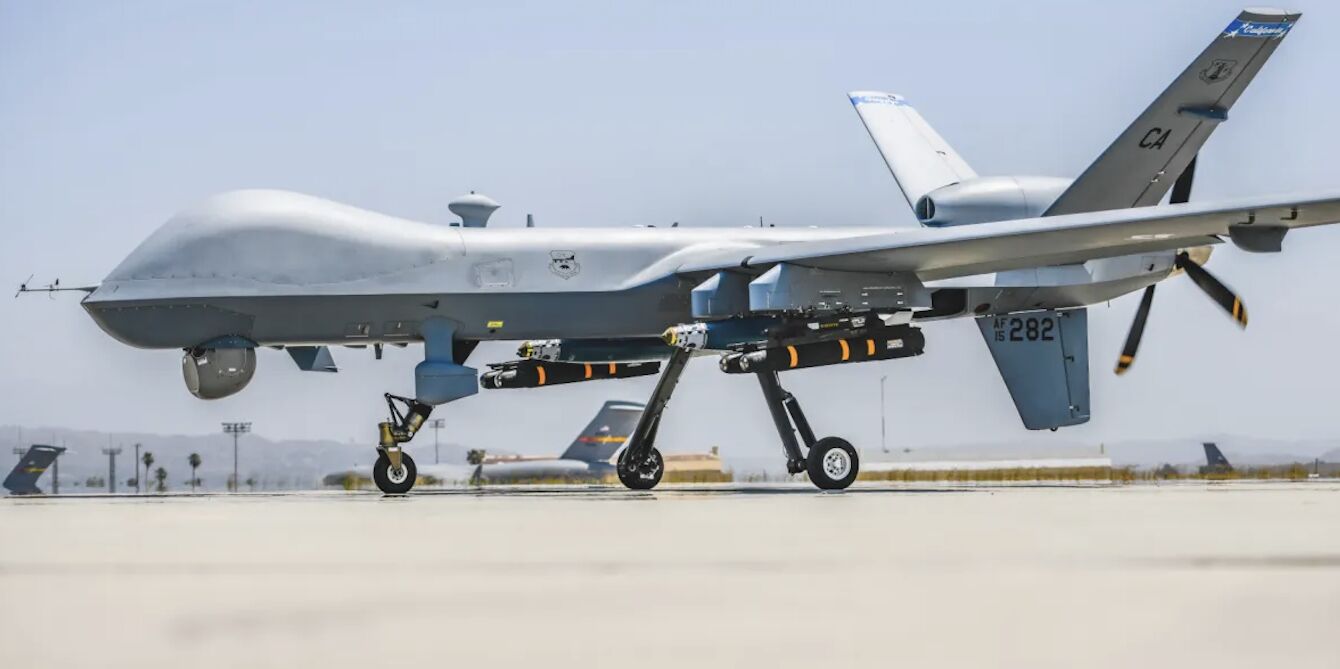
U.S. Air Force MQ-9 Reaper Drone
The White House is asking Congress to make an exception to a continuing resolution so the U.S. Air Force can replenish its MQ-9 Reaper drone fleet more quickly. The request identifies the need as “Airborne ISR/Strike Reconstitution,” buying Reapers to restore intelligence, surveillance, reconnaissance and strike capacity that has been severely depleted during engagements with Iranian forces. The U.S. Air Force has lost at least 45 MQ-9s since hostilities began in February, roughly a quarter of its fleet. Some estimates for losses have been significantly higher, while further MQ-9s have been lost during engagements with Yemeni Ansurullah Coalition forces, which are supported by Iran. Reports in July indicated that eight new and unassembled MQ-9s were destroyed during an Iranian missile strike on King Faisal Air Base in Jordan.
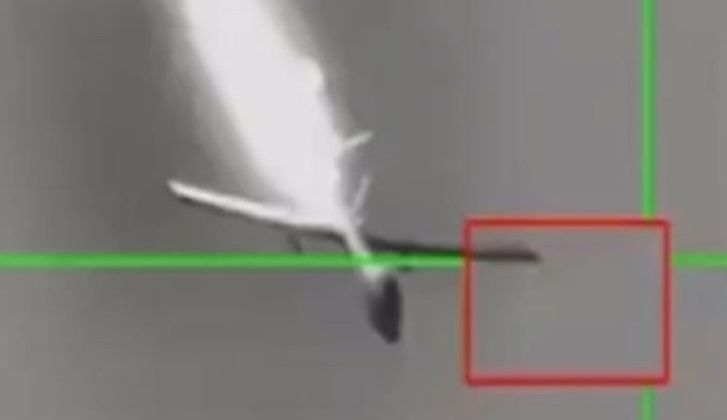
The losses expose a vulnerability in a platform that has been used intensively for surveillance and strikes over Iran and around the Strait of Hormuz. The Reaper can remain airborne for long periods and provide persistent surveillance. Air Force officials have nevertheless described the aircraft as valuable in the campaign, where its uncrewed design allows missions without risking an onboard crew. The Air Force cannot place orders for additional MQ-9A Reapers due to the suspension of production, as while limited production of the MQ-9 continues, only the very different MQ-9B SeaGuardian, which has a redesigned airframe that has different systems and logistics requirements, is being produced. Restoring production could require significantly greater time and funding than would have otherwise been the case.
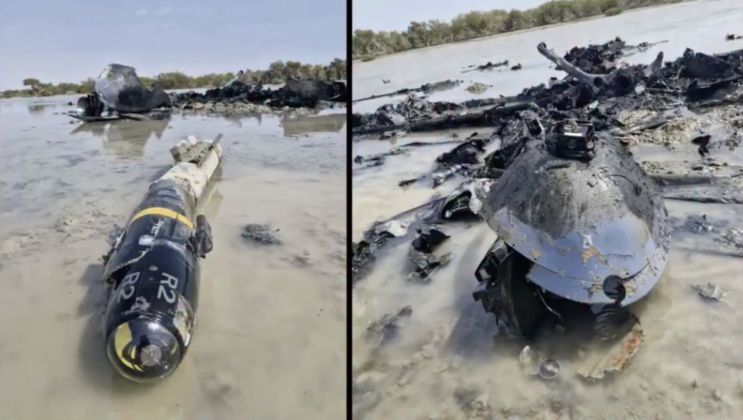
Despite Iran having yet to receive any post-Cold War fighter types, and lacking any modern long range surface-to-air missile systems, it has been able to inflict considerable losses on U.S. and allied combat aviation. In early May United States Congressman Ed Case confirmed that the United States had by then 39 aircraft during hostilities with Iran which began on February 28, with a further 10 having sustained varying levels of damage. Combined with the extreme depletion of U.S. munitions, which is expected to take several years to fully recover from, and the failure to significantly deplete or erode Iran’s own substantial missile arsenal or its associated infrastructure, these factors have made the war effort wholly unsustainable. The result was a significant decline in the intensity of hostilities from May.
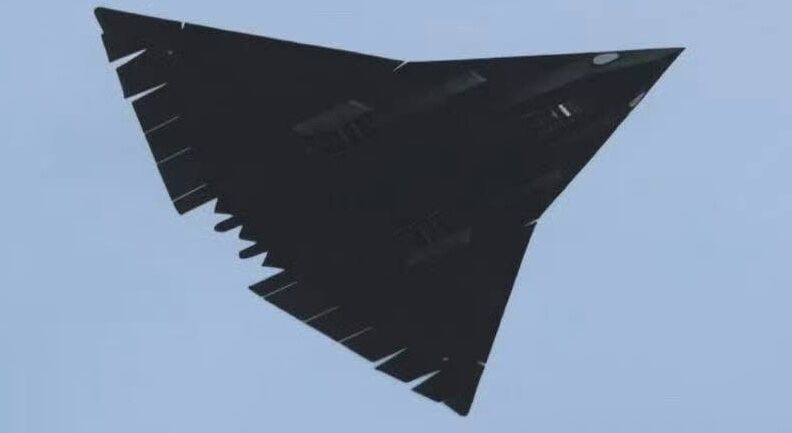
The United States Department of Defense has faced considerably budgetary strain, largely due to the costs of the war with Iran, but also due to the unafforabiltiy of sustaining a peer level contest with China in developing next generation capabilities. The Donald Trump administration's ambitious proposal to increase U.S. defence spending to $1.5 trillion in Fiscal Year 2027 is now considered unlikely to secure congressional approval, forcing the Pentagon and lawmakers to plan for substantial reductions to planned procurement and modernisation programs. A failure to surge defence spending to previously planned are expected to have significant consequences for a wide range of programs, including procurements of existing systems such as F-35 fighters, as well as the development of next generation systems such as F-47 fighters. The White House request for a special exception for the MQ-9 reflects this broader immense strain on the defence budget.