
U.S. Air Force Reveals Planned Penetration Strike Capability For F-47 Sixth Generation Fighters
Military Watch Magazine Editorial Staff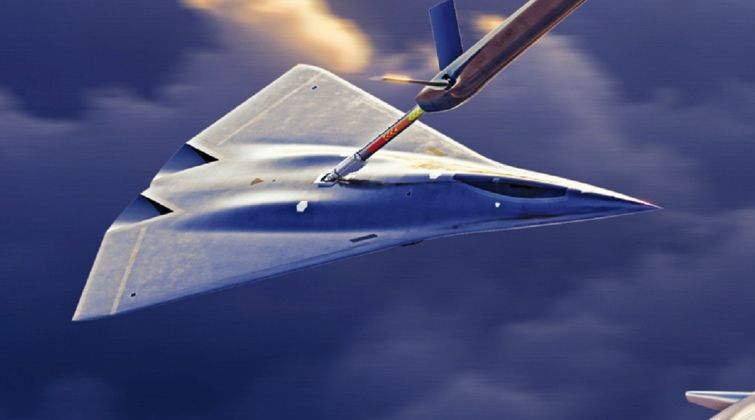
U.S. Air Force Long Range Sixth Generation Air Superiority Fighter Concept Art
Lockheed Martin
The U.S. Air Force has identified the F-47 sixth generation long range fighter as a future launch platform for the AGM-88J Stand-In Attack Weapon (SiAW) currently under development, indicating that the aircraft previously expected to be deployed primarily for air superiority roles is intended to be much more versatile than its direct predecessor the F-22. The Stand-in Attack Weapon is a derivative of the AGM-88G anti-radiation missile that was developed to allow the F-35 fifth generation fighter to better target radars and air defence systems, and is intended to be usable against a wider range of targets, and to serve as the F-35’s primary air-to-ground missile type. The F-35 currently lacks any air-to-ground missile strike capabilities. The missile is intended to be able to strike mobile targets, such as ballistic and cruise missile launch vehicles, significantly bolstering the Air Force’s reconnaissance-strike complex, and is expected to have a 300 kilometre engagement range.
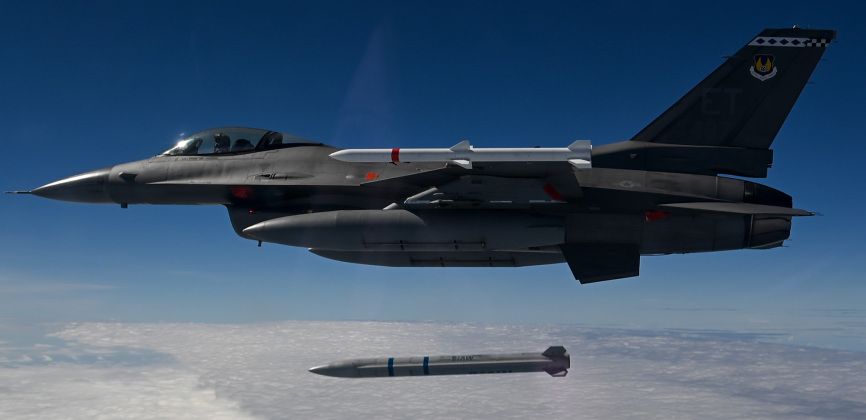
The Air Force on March 4 issued a sources-sought notice signalling its intention to expand industrial capacity for the SiAW, while specifically identifying the F-47 alongside the F-35, F-16, and the B-21 strategic bomber as a prospective launch platform. The F-47 was conceptualised primarily to be able to counter new generations of Chinese fighter aircraft, most notably the J-20 fifth generation long range air superiority fighter which is currently widely considered by analysts to be the most capable in the world in terms of its air-to-air combat potential. China has since December 2024 unveiled multiple prototypes and flight demonstrators of three entirely separate sixth generation fighter designs, and is expected to begin fielding sixth generation fighters years before the United States can, with conservative assessments indicating a five year lead.
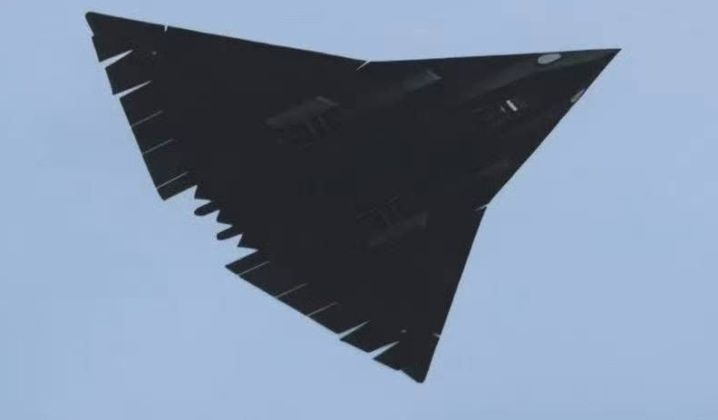
Despite an increase in great power competition, the vast majority of U.S. air operations do not require an advanced air-to-air combat capability, with the integration of the SiAW expected to allow F-47 units to contribute to operations in conflicts other than a major war with an advanced state adversary such as China. The F-47’s expected much longer range, more powerful sensors and electronic warfare systems, and higher weapons carrying capacity than currently operational Western fighter types, may also lead it to be relied on for strike operations in situations where the F-35’s survivability would be insufficient and its endurance too short. The vast distances separating U.S. military facilities from potential targets in the Pacific theatre have raised the possibility of fourth and fifth generation fighters such as the F-35, which have far shorter ranges than their Chinese counterparts such as the J-16 and J-20, struggling to reach their targets.
