
The U.S. Just Used Up Over 10 Percent of its Patriot Missiles to Blunt One Iranian Strike
Military Watch Magazine Editorial Staff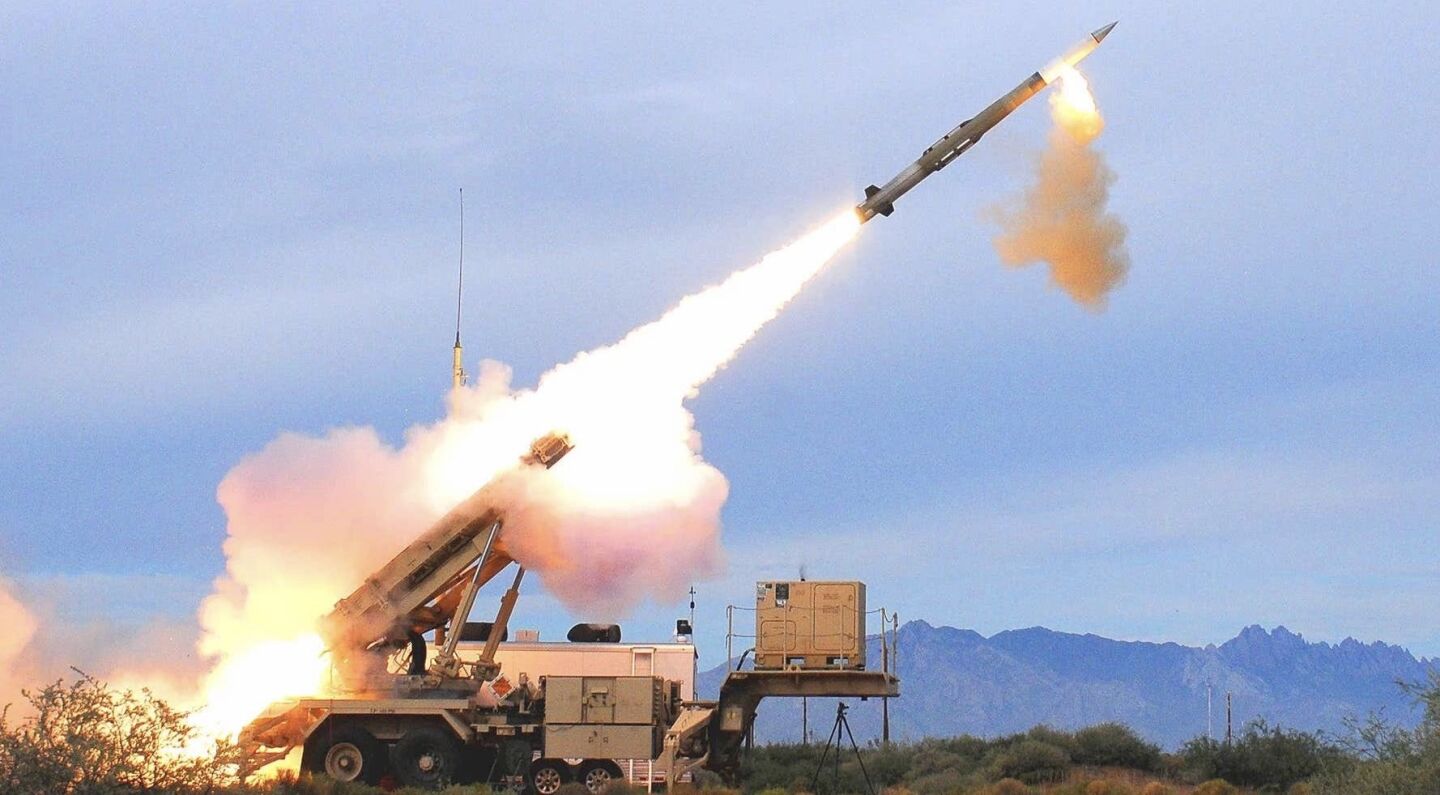
Surface-to-Air Missile Launcher From MIM-104 Patriot Long Range Air Defence System
On the night of August 30 the U. S. Army fired over 80 surface-to-air missiles from the MIM-104 Patriot system at the incoming Iranian ballistic missiles in Jordan, using two batteries on deployment from Ansbach, Germany. Close to four Patriot launches were made against each Iranian missile, with the large majority of launches caught on camera missile their targets. Each Patriot interceptor costs an estimated four-to-five times as much as the Iranian ballistic missiles used in the attack, with the operation highlighting a growing challenge for American missile defences, as attackers can impose disproportionate costs by forcing defenders to expend scarce interceptors.

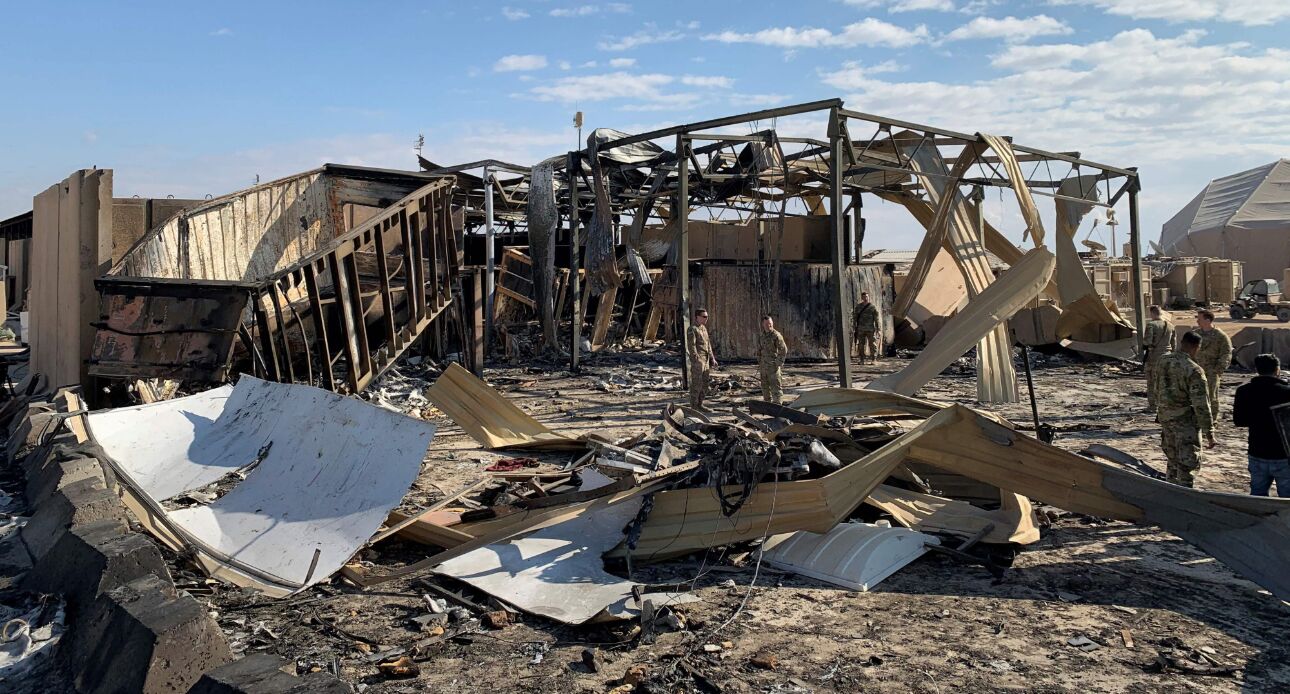
Iran launched its attack on U.S. bases in response to an American strike on Iranian naval facilities, which caused multiple casualties. The reported expenditure of more than 80 PAC-3 interceptors in a single engagement by some estimates represents more than ten percent of the entire American arsenal, at a time when interceptors are in very short supply across the Western world primarily due to mass use against Iran, but also due to mass donations to Ukraine. While U.S. government sources claimed that there was no damage to facilities from Iranian strikes, footage from the ground and satellite imagery has confirmed damage, compounding longstanding concerns regarding the Patriot’s limited effectiveness.
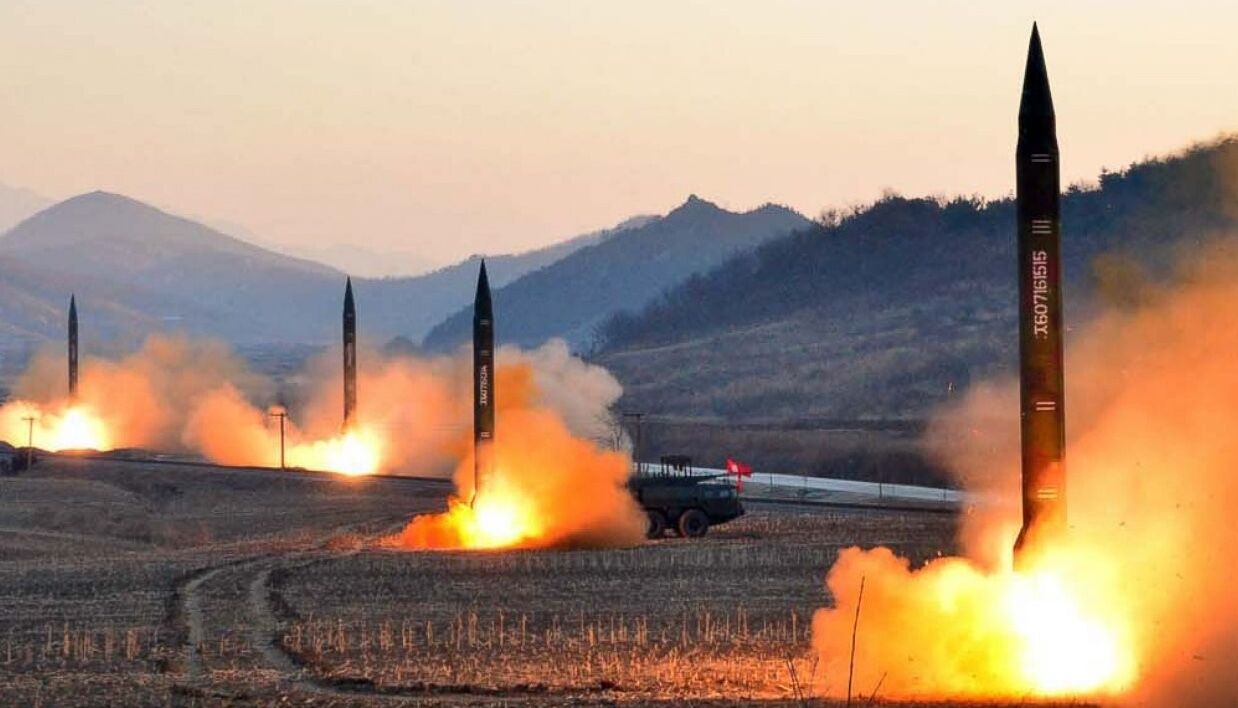
Iranian strikes have been described as being planned around an interceptor-exhaustion strategy, which has leveraged large supplies of first generation missiles such as the Shahab 3 which were procured in the 1990s. Iran does not necessarily need every ballistic missile to reach its target if the missiles force U.S. batteries to launch multiple interceptors in response. If several interceptors are fired against individual incoming missiles, the number of defensive weapons consumed can rapidly exceed the number of offensive weapons that actually penetrate the defence.
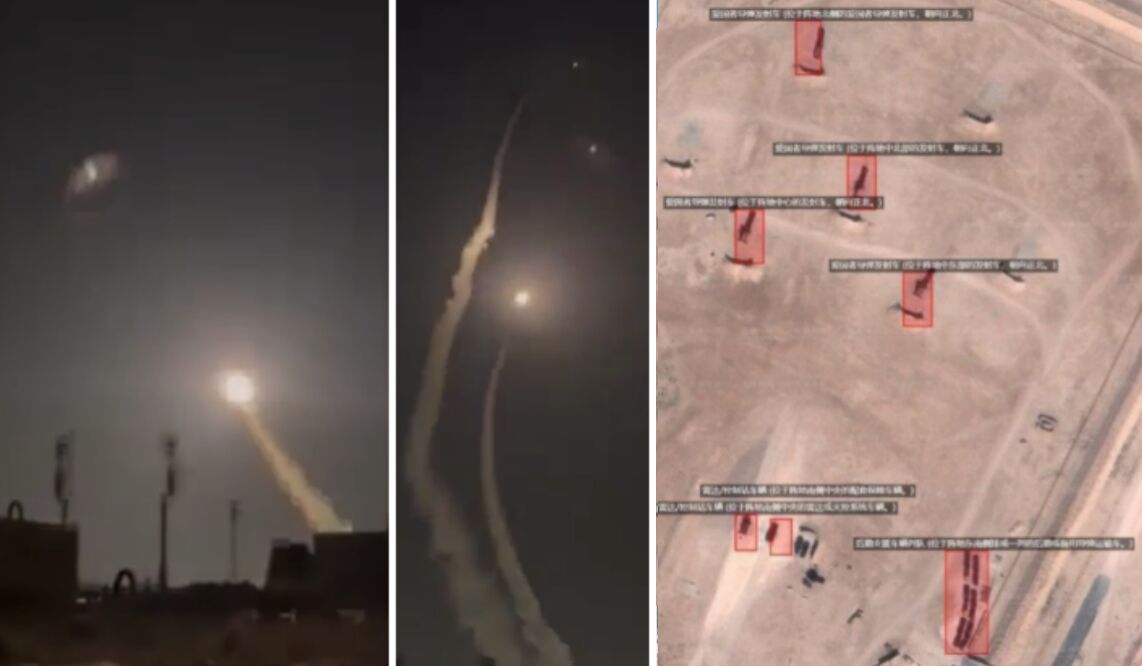
The U.S. initiated attacks on Iran in February with its arsenal of interceptors for Patriot systems already severely depleted, with stockpiles confirmed in July 2026 to have fallen to just 25 percent of the volume deemed necessary by the Pentagon. Multiple Western sources confirmed on March 5, 2026, that the United States Army had expended over 800 interceptors from Patriot systems during just five days of engagements with Iranian forces. Shortages were such that the United States was in March forced to request supplies of interceptors from Poland to replenish after extreme depletion of the Army’s arsenal.
The U.S. has been forced to respond to the major shortages of interceptors and other missiles with the suspension of arms deliveries to strategic partners in Asia and Europe, and by withdrawing a wide range of assets from the Pacific theatre including THAAD and Patriot systems in South Korea. Iran has made use of a wide range of missile and drone types to engage targets, with the highest priority targets struck with more complex and costly missile types, such as the Fattah 2, which integrates a hypersonic glide vehicle that is nearly impossible to intercept. The Israeli paper Haaretz in late March confirmed that 80 percent of Iranian missiles launched against Israeli targets were impacting successfully, indicating that the much less well defended U.S. bases in Europe could be highly vulnerable.
