
U.S. Approves Major Support Package For Ukraine’s Abrams Tanks, Bradley Vehicles, HIMARS and Artillery
Military Watch Magazine Editorial Staff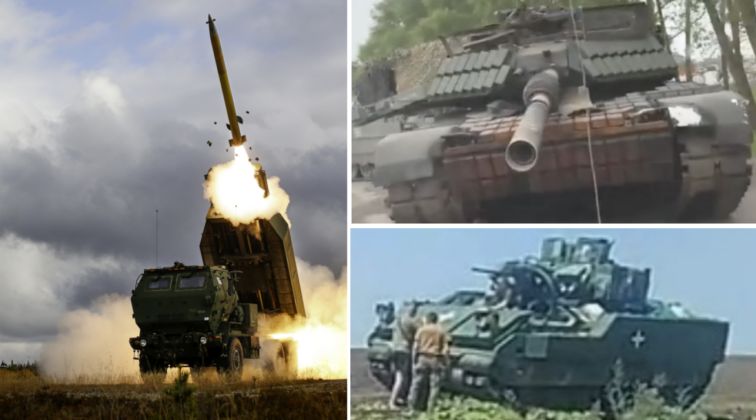
HIMARS Rocket Launch and Ukrainian Abrams Tank and Bradley Vehicle
The U.S. State Department has approved a $185 million Foreign Military Sale to Ukraine focused on spare parts and sustainment support for U.S.-built ground and artillery systems, aiming to improve battlefield availability for M1A1 Abrams tanks, Bradley fighting vehicles, HIMARS rocket artillery systems, M777 howitzers, and other equipment. The approved Foreign Military Sale is estimated at $185 million to keep equipment running, repaired, and mission-capable under battlefield wear, while strengthening Ukraine’s local sustainment capacity and sustaining higher operational rates for American-designed vehicles and weapon systems. Over 300 Bradley infantry fighting vehicles, over 400 Stryker armoured personnel carriers, and more than 900 M113 armoured personnel carriers in the ground manoeuvre fleet have already been supplied, alongside more than 40 HIMARS launchers and more than 200 155mm howitzers, which Ukraine’s Soviet-styled defence sector need significant support to maintain.
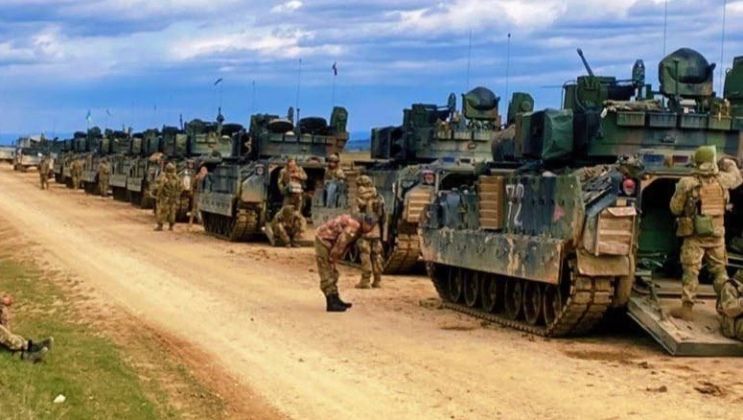
Although Ukraine was in early June 2025 assessed to have lost 87 percent of its American-supplied M1A1 Abrams tanks, with 27 of the 31 vehicles destroyed or captured, these losses have been replenished by the delivery of 49 former Australian Army Abrams tanks in late 2025. The United States has meanwhile sustained deliveries of Bradley fighting vehicles, HIMARS rocket artillery systems, and other assets. The Abrams has particularly demanding maintenance and fuelling needs, and requires specific spares parts, filtration, and powerpack support for its unique gas turbine engine. Ukraine has gained considerable support from Western contractor and active duty personnel both to help maintaining its equipment, and to utilise it, including supporting complex targeting for precision guided systems such as HIMARS using data from Western surveillance aircraft and satellites.
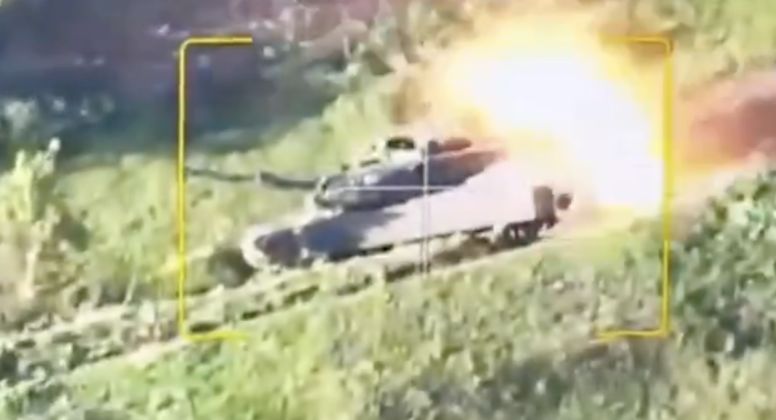
Ukrainian tank units have suffered from very low availability, due to both heavy combat losses that cannot be replenished, and due to difficulties sustaining the vehicles that are in service. “They’re seen as the last argument of kings on the battlefield,” noted Ukrainain armoured warfare specialist Mykola Salamakha, who’s tressed that poor use of the vehicles, including for operations focused on boosting morale, has been an important contributor to losses. “They send a tank forward just to show the infantry they have support — we lose them in such operations,” he recalled as an example. Regarding combat readiness rates, he observed that currently only one third, and in some cases just one fifth, of the Army’s tanks are considered combat-ready. The effectiveness of Abrams tanks delivered by Australia has been particularly brought to question due to their considerable wear after decades of use, contrast with the state of the newly built tanks supplied by the United States.
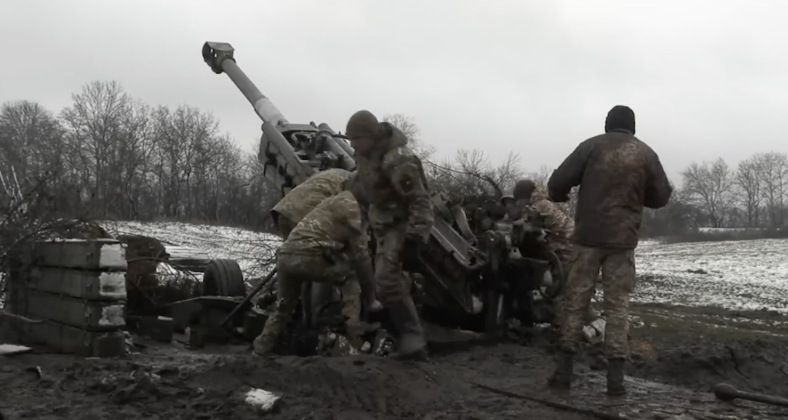
While military equipment supplied by the United States has been generally well regarded, the quality of European armaments, in particular that from Germany and Italy, has consistently been questioned. A notable example is Germany’s most capable self-propelled artillery system the PzH 2000, which drew widespread criticism after its first high intensity combat tests. German media outlet Der Spiegel reported just a month after the first deliveries to Ukraine in 2022 that the howitzers were showing significant signs of “wear and tear,” and breaking down rapidly, forcing the Ukrainian Army to rely more on its artillery acquired from other sources, such as the much more dependable M777s provided by the United States. Only Italian artillery systems proved to be significantly less reliable. German-supplied Leopard 2A6 main battle tanks similarly performed far more poorly than Western sources had projected, and quickly suffered extreme losses, while in late 2025 the Ukrainian Armed Forces suspended procurements of German HX-2 strike drones, after their performances were found to be well below required standards.
