
Ukraine Receives Last of 80 Promised Abrams Tanks: How Many Are Left and How Well Can They Be Sustained?
Military Watch Magazine Editorial Staff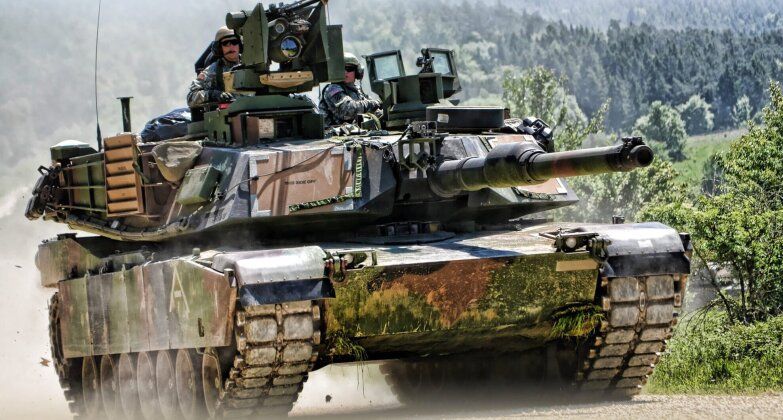
M1 Abrams Main Battle Tank
The Ukrainain Army has received the last of 80 M1A1 Abrams tanks pledged as aid to the country, with the Australian government on December 19 confirming that the last of 49 tanks the country allocated for delivery to the country had arrived. This follows the delivery of 31 M1A1 tanks from the United States in late 2023, which began to see combat in February 2024. The latest tanks delivered by Australia were described by Australian government sources as being dispatched to meet a direct request from Kiev, as part of more than $1.5 billion in Australian military aid that has been provided since the outbreak of fulls scale hostilities between Russia and Ukraine in February 2022. Most of the tanks arrived in Ukraine in July 2025, with many having already been deployed to the frontlines, while the final tranche was handed over in mid-December after preparations were made to ensure they were ready for operational use.
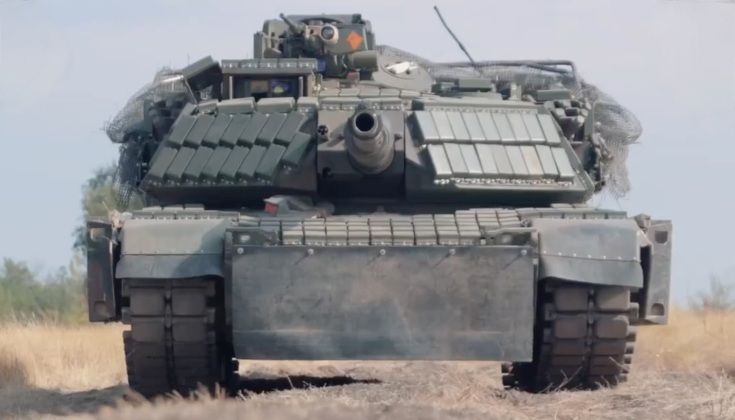
Commenting on deliveries in July, Australian Deputy Prime Minister Richard Marles reported: “The M1A1 Abrams tanks will make a significant contribution to Ukraine’s ongoing fight against Russia’s illegal and immoral invasion… Australia remains steadfast in our support for Ukraine and seeing a just and lasting peace.” The tanks in question have been retired by the Australian Army, which has transitioned its tank units to operate the modern M1A2 SEPv3 variant. Plans to supply Abrams tanks were first announced by Canberra in October 2024, although a number of sources reported that a lack of authorisation from the United States was a major factor delaying their delivery. Unlike the Abrams tanks previously transferred by the United States, the 49 tanks from Australia have already seen decades of service and are considered throughly worn out, which is expected to significantly reduce their availability rates and increase maintenance requirements. Speaking to ABC News, one informed American source with inside knowledge of the aid package warned on this basis that the Ukrainian Army would find the tanks “difficult to sustain.”
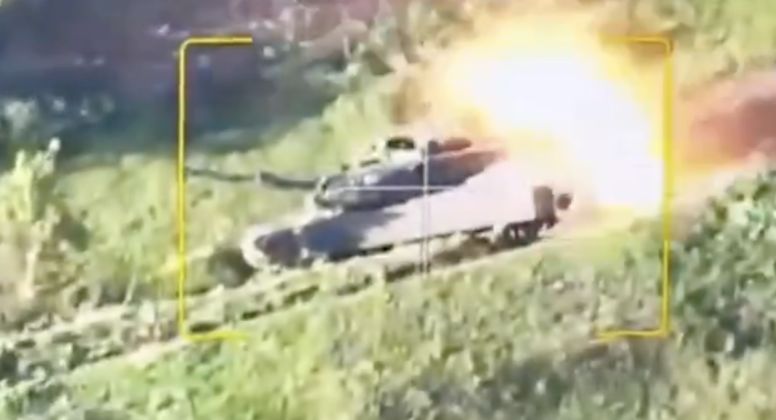
The delivery of new Abrams tanks has occurred as Ukrainian sources have increasingly reported that the country’s tank battalions are suffering from very low availability of armour, due to both heavy combat losses that cannot be replenished, and due to difficulties sustaining the vehicles that are in service. “They’re seen as the last argument of kings on the battlefield,” noted Ukrainain armoured warfare specialist Mykola Salamakha, who’s tressed that poor use of the vehicles, including for operations focused on boosting morale, has been an important contributor to losses. “They send a tank forward just to show the infantry they have support — we lose them in such operations,” he recalled as an example. Regarding combat readiness rates, he observed that currently only one third, and in some cases just one fifth, of the Army’s tanks are considered combat-ready.
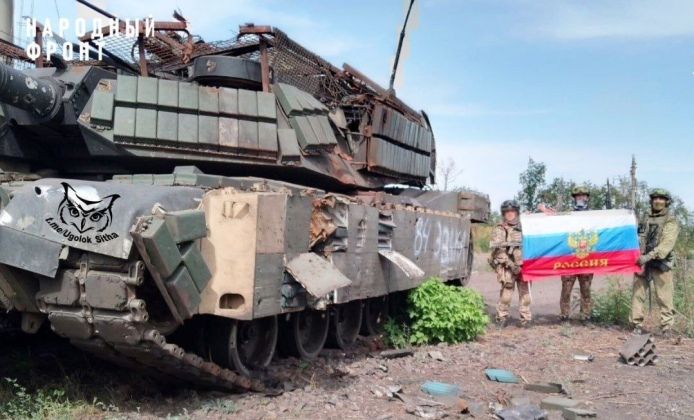
Although Western experts had previously projected that the introduction of Western tanks would represent a game changer in the theatre in Ukraine’s favour, the performance of the M1A1 Abrams, and moreso the German Leopard 2, have remained underwhelming. By early June 2025 the Ukrainian Army was assessed to have lost 87 percent of its American-supplied M1A1 Abrams tanks, with 27 of the 31 vehicles destroyed or captured. Loss rates remained high despite the temporary withdrawal of all Abrams tanks from the frontlines, and the subsequent upgrading of their armour protection levels. As by far the heaviest tank type in the world, Abrams’ maintenance needs and fuel consumption are expected to limit their availability rates, particularly when considering the state of the vehicles being delivered second hand by Australia.
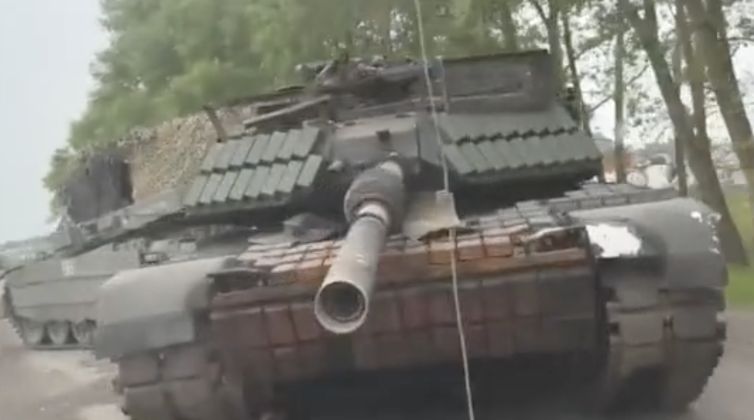
Assessments of the performance of the Abrams and other Western tank types in the Ukrainain theatre has cemented a consensus among analysts in the Western world and in East Asia that existing U.S. and European tank designs are built around a design philosophy that is now obsolete. The U.S. Army has responded by scrapping plans to incrementally modernise the Abrams, and instead prioritising the funding of a radical redesign under the M1E3 program. This new variant shares many features with mainland China’s Type 100 tank. Russian plans to develop a tank with similar next generation capabilities under the T-14 program have continued to stall, while South Korea’s next generation K3 tank is expected to be built around a similar design philosophy. Changes include prioritising manoeuvrability, network centric warfare capabilities, and fuel efficiency, and deprioritising heavy armour protection levels and a heavy main armament.
