
U.S. State Department Pledges Hard Line Against Iran - Will Seek to Restrict Tehran’s Missile Deterrent and Support For Hezbollah
Military Watch Magazine Editorial Staff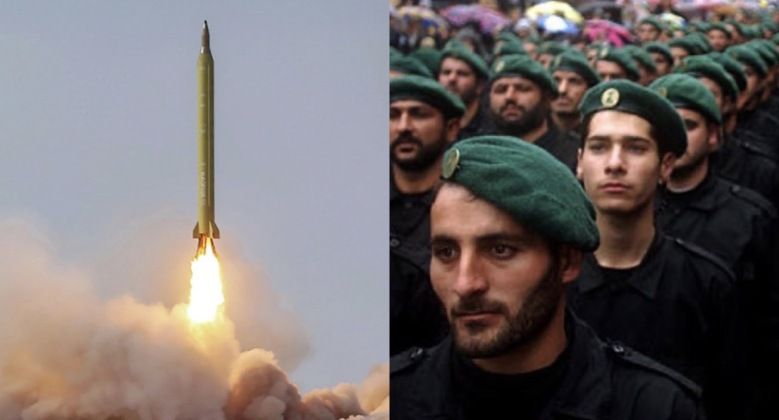
IRGC Ballistic Missile Test and Hezbollah Militiamen
Despite showing some initial signs that it was willing to make concessions in return for an Iranian return to full compliance the Joint Comprehensive Plan of Action (JCPOA) nuclear deal, the Joe Biden administration has taken an increasingly hard line against Tehran. The administration stressed that it would not lift economic sanctions unless Tehran first returned to full compliance with the deal, with State Department spokesman Ned Price subsequently stating on February 6th that Washington would use the deal “as a platform for follow-on agreements that would take on other areas of concern,” including Iran’s “ballistic missiles, support for proxies, a number of other issues that are included in that.” This was followed by a reiteration by Iranian Supreme Leader Ali Khamenei of his country’s unwillingness to return to full compliance with the deal unless the U.S. first lifted economic sanctions.
The preceding Donald Trump administration unilaterally withdrew from the JCPOA in 2018, three years after the agreement had been signed, and imposed extensive unilateral sanctions on Iran despite Tehran’s full compliance being confirmed by international inspectors. Iran subsequently moved to increase uranium enrichment beyond the limits imposed by the JCPOA in retaliation for America’s withdrawal and Washington’s violation of the deal’s terms.
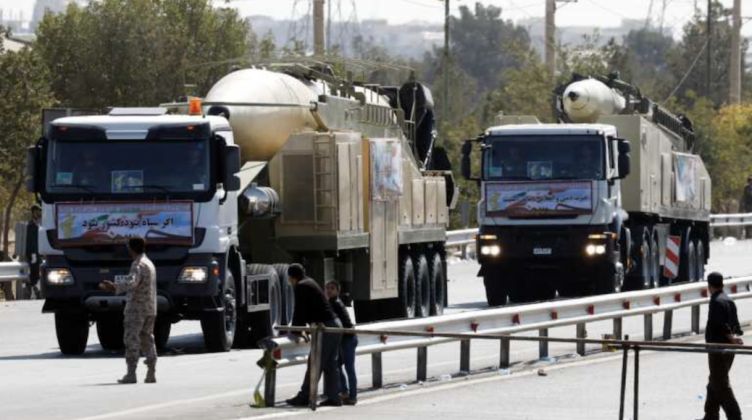
Iran has repeatedly insisted that its support for allied groups in the Middle East such as the Syrian Arab Army and the Lebanese militia Hezbollah, many of which are termed Iranian proxies in the West, is non-negotiable. It has also drawn a red line against any concessions on its right to a ballistic missile deterrent - which provides a key asymmetric means of deterring Western powers and Western aligned regional states. The military expenditures of these states dwarf that of Iran, leaving little means for it to guarantee its security using symmetric means. France has led calls for Western action to force Iran to accept Western imposed restriction on its rights to a missile deterrent, although these are even less likely to be agreed to given America’s development of intermediate range ground launched missiles of its own after it left the Intermediate Range Nuclear Forces Treaty under the Donald Trump administration. Iran has threatened further escalation of nuclear activities from the final week of February should the U.S. fail to promptly come to the table and offer concessions, leaving a considerable possibility of further increase in bilateral tensions.
