
Iran Accelerates Nuclear Program: Threatens Expulsion of UN Inspectors in February Unless U.S. Loosens Sanctions
Military Watch Magazine Editorial Staff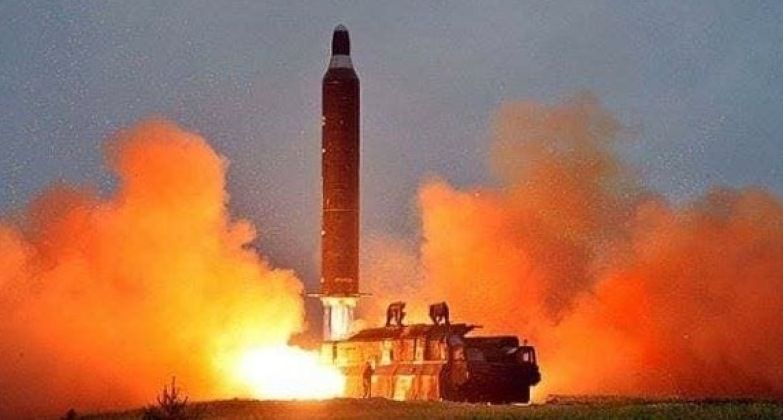
Musudan Strategic Ballistic Missile
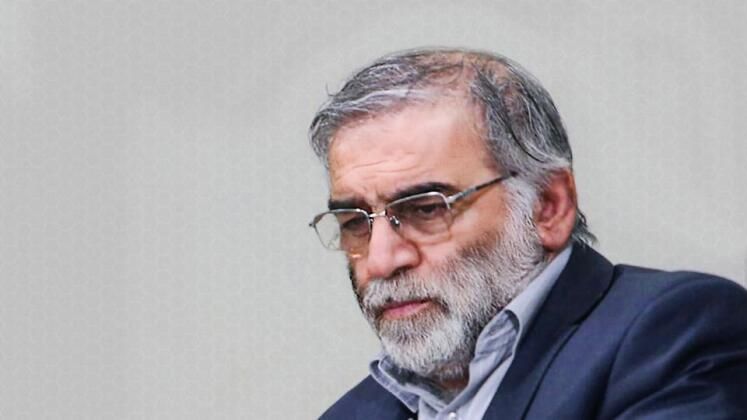
Following a decision by the Iranian government to boost its uranium enrichment program to produce 20 percent enriched uranium at the Fordow Fuel Enrichment Plant, the country’s parliament has warned that it will expel United Nations inspectors from its nuclear facilities from February 21st unless economic sanctions imposed by the United States are relaxed. This follows Washington’s unilateral withdrawal from the Joint Comprehensive Plan of Action (JCPOA) nuclear deal and violation of its terms by imposing economic sanctions on the Middle Eastern state, with Iran retaliating by surpassing the 3.67 percent uranium enrichment limit imposed by the deal. Regarding the threat to expel inspectors, Iranian member of parliament Ahmad Amirabadi Farahani stated: "According to the law, if the Americans do not lift financial, banking, and oil sanctions by 21 February, we will definitely expel the IAEA inspectors from the country and will definitely end the voluntary implementation of the Additional Protocol.” The decision in accordance with 'The Strategic Measure for the Removal of Sanctions,' which was adopted by the parliament in November to press for intensified nuclear development. These measures were adopted in response to the assassination of top Iranian nuclear physicist Mohsen Fakhrizadeh, which the U.S. is widely thought to have been responsible for.
With the incoming Joe Biden administration expected to focus American attentions towards the Asia-Pacific region, Washington is expected to seek a reduction in tensions with Tehran and a return to the JCPOA or an agreement resembling it. Iranian pledges to expel inspectors just one month after Biden takes power is thought to be intended as a measure to move an agreement to the top of the new administration’s list of foreign policy priorities. The possibility of a deal could be undermined by growing pressure in the U.S. and more broadly in the Western world to substitute the JCPOA with a new deal which limits Iran’s rights to a ballistic missile deterrent. The Iranian leadership has indicated, however, that its right to a missile program is non negotiable with these asymmetric assets seen as vital to deterring Western or allied attacks. Iran has acquired number of advanced ballistic missile designs since the 1980s, the vast majority of which are either of North Korean origin or make extensive use of Korean technologies and components.
