
U.S. Senate Pushes for Major Cuts to F-15EX, F-47 and Drone Fighter Funding Amid Major Budgetary Strain
Military Watch Magazine Editorial Staff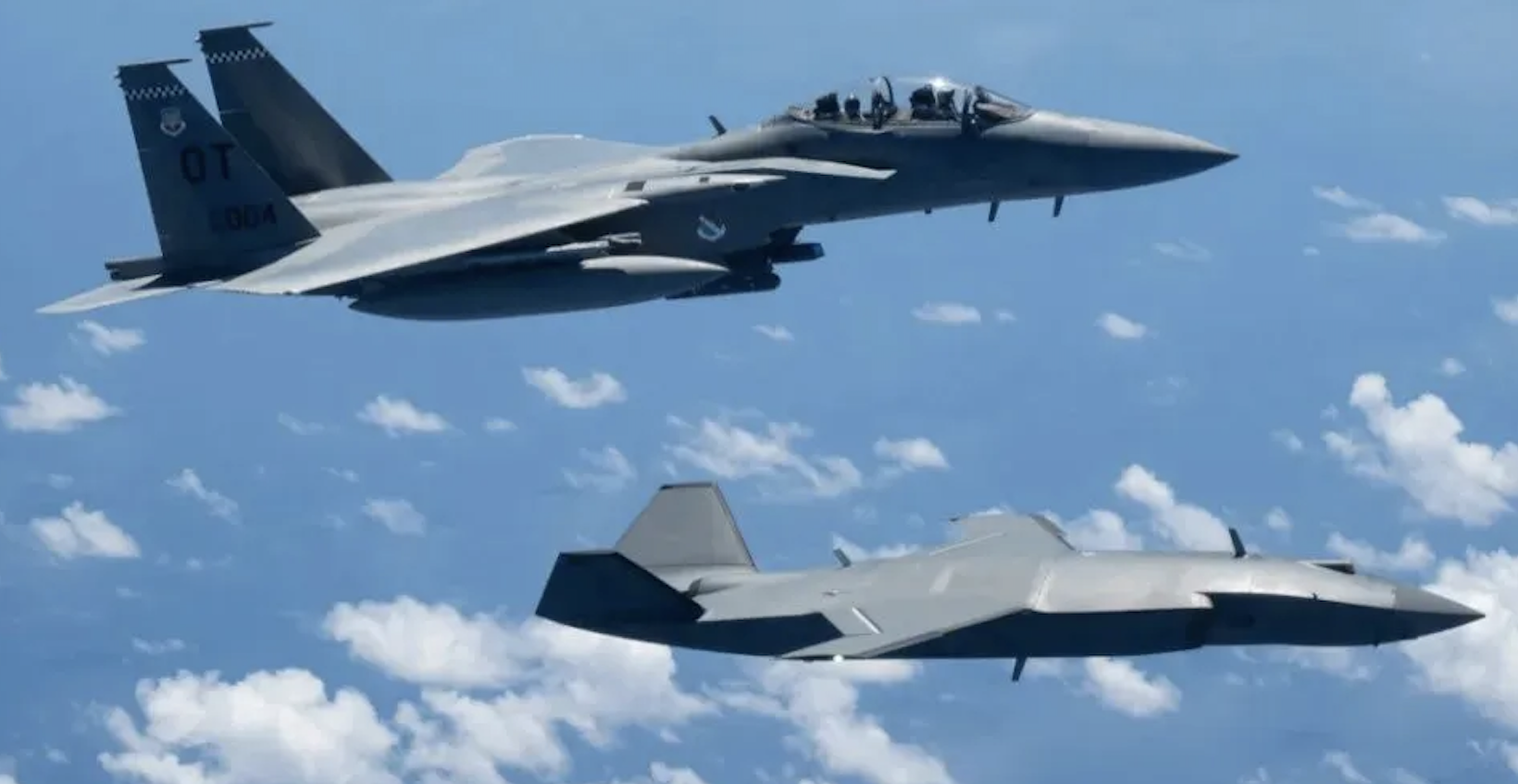
F-15EX and Collaborative Combat Aircraft
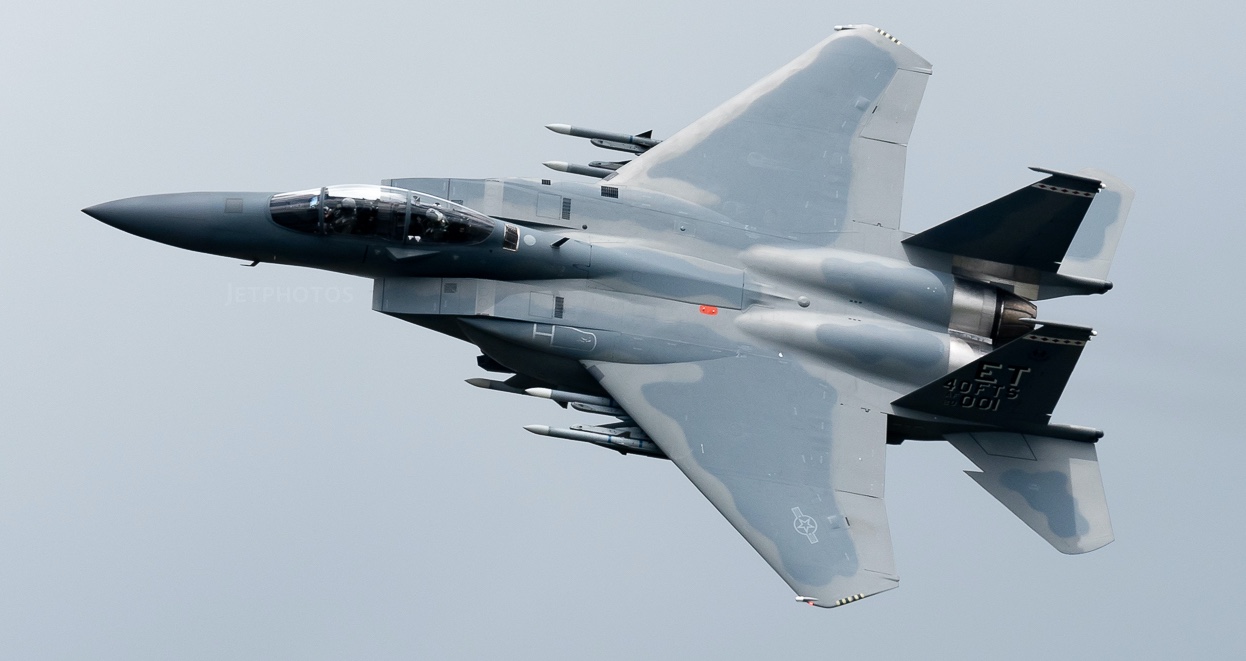
The U.S. Senate Appropriations Committee has proposed significant changes to the Air Force’s fighter procurement plans for Fiscal Year 2027, reducing purchases of F-15EX Eagle II long range air superiority fighters and cutting funding for the Collaborative Combat Aircraft unmanned fighter program, while also refusing to authorise multiyear procurement contracts for the F-15EX and F-35A. The proposed legislation would leave the service with just 47 new fighters in 2027, substantially below its stated objective of acquiring 72 annually. Although the committee has increased funding for certain F-35 capabilities and sustainment programs, its revisions raise questions about the pace at which the United States can expand and modernise its tactical aviation fleet.
The Senate committee released its nearly $1.1 trillion defence appropriations proposal on November 16, adding approximately $69 billion above the administration’s base budget request. However, the legislation falls considerably short of President Donald Trump’s proposed $1.5 trillion defence spending target, which had envisaged a combination of $1.15 trillion in regular appropriations and an additional $350 billion through reconciliation. The proposed package reflects the difficulties of securing congressional support for the administration’s broader spending ambitions. The proposal would have represented an enormous increase over the approximately $858 billion currently available to the Department of Defense, and has since the midterm elections in early November been considered unlikely to secure congressional approval.
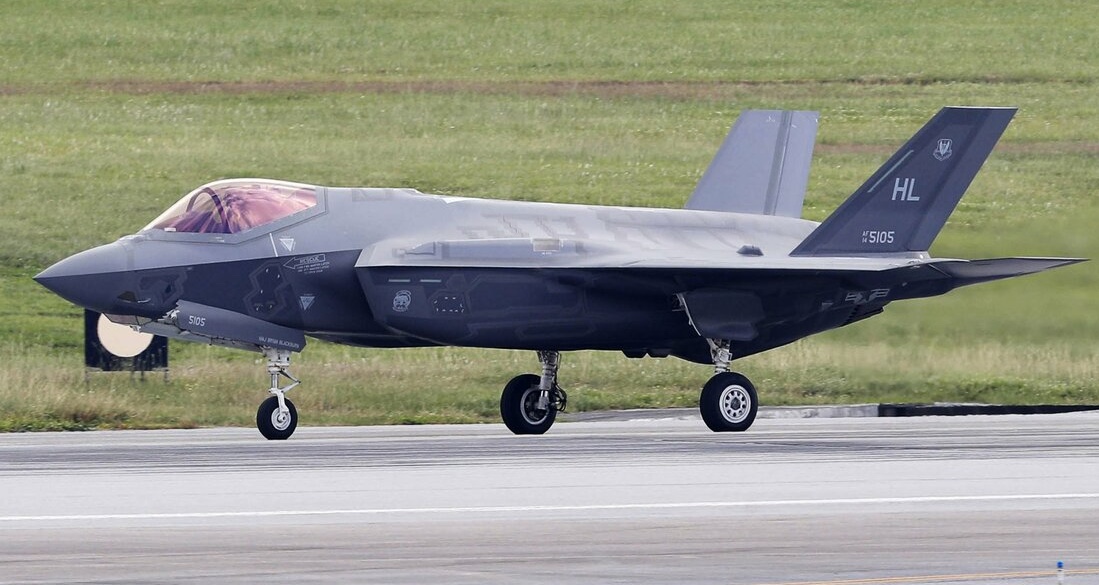
For the F-35A, the committee proposes increasing procurement from the 24 aircraft requested by the administration to 29, adding five fighters at an additional cost of $704 million. This nevertheless remains far short of the Air Force’s prior procurement levels of 48 fighters per year, and moreso its planned procurement levels of 110 per year. To place the figure in perspective, the much larger twin engine J-20 fifth generation fighter is being procured at rates of approximately 120 per year, or around four times the rate of U.S. Air Force F-35 procurements. These procurements are being made in parallel to acquisitions of J-35 medium weight fifth generation fighters, which are much heavier and longer ranged than the F-35.
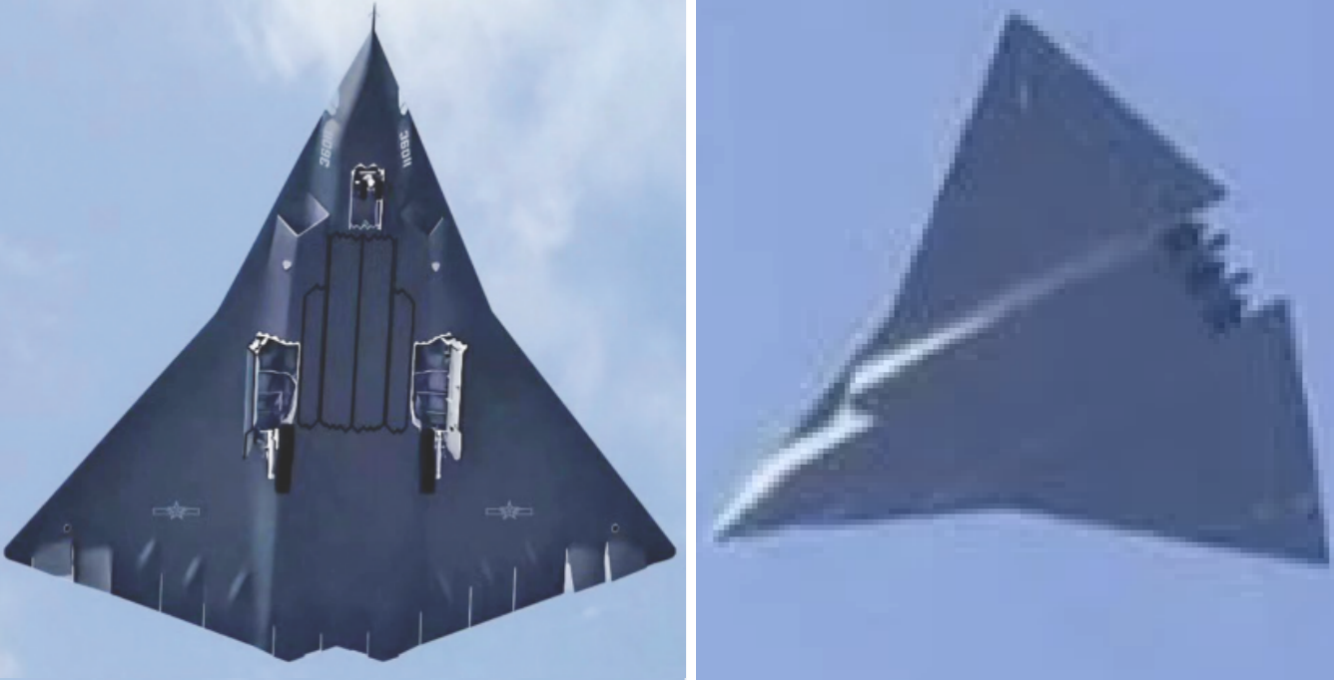
The committee’s proposed reductions also extend to the Air Force’s future combat aviation programmes. Funding for the sixth-generation F-47 fighter’s research and development would fall by $603 million, from the administration’s proposed $5 billion to approximately $4.4 billion. Although this remains a substantial investment, the reduction could affect the pace at which the programme progresses through development and testing. The F-47 is intended to form the centrepiece of the Air Force’s future air-superiority capabilities, incorporating advanced stealth, propulsion and sensor technologies alongside the ability to operate with uncrewed aircraft. The prioritisation of funding for the F-47 was a primary factor leading to further cuts to F-35 procurement rates from 2025.
