
U.S. Reaches Landmark Deal to Sell Key Fighter Engine Technologies to India
Military Watch Magazine Editorial Staff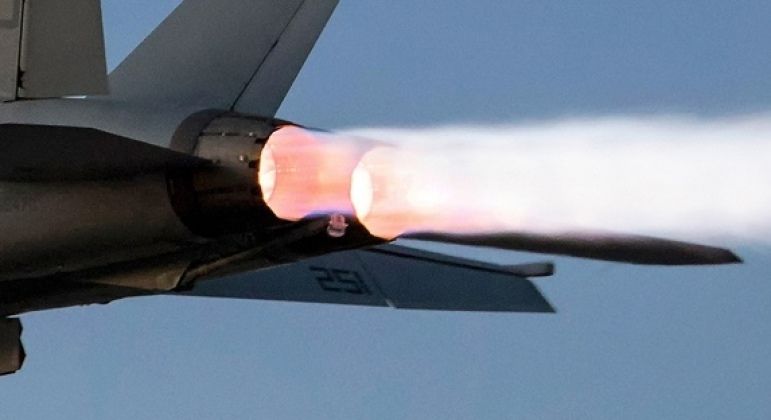
F414 Engines Power F-18E/F Super Hornet Fighter
The United States has made major progress in technical negotiations with India for the production of U.S. F414 fighter engines in the country under license, concluding an agreement for an 80 percent technology transfer that will significantly bolster the South Asian state’s engine industry. General Electric Aerospace and Hindustan Aeronautics Limited are cooperating closely to begin production of the F414 by the end of 2027. The engine is intended to power an enhanced variant of the Tejas lightweight fighter, the Tejas Mk2. The F414 was developed as a direct evolution of the Cold War era F404 designed to power the F-18A/B fighter, and is a medium-thrust powerplant. It was developed to power the F-18E/F Super Hornet fighter, and alongside greater thrust and power generation, it is also considerable more efficient and easier to maintain.
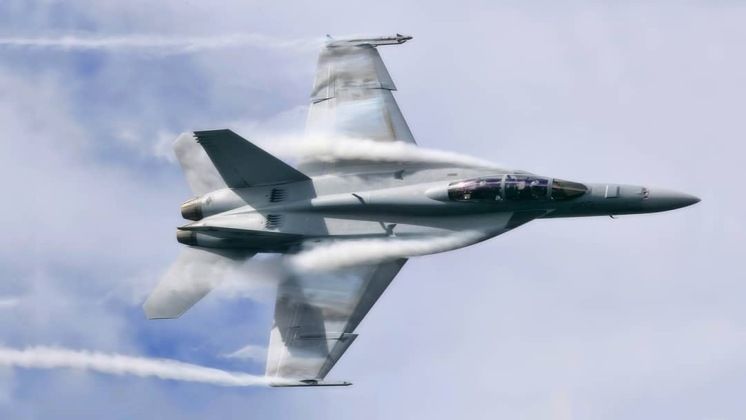
As was the case for many combat aviation related programs after the end of the Cold War, the F414 program prioritised a low-risk derivative approach, combining the core of the experimental F412 engine with an upgraded low-pressure system derived from the F404. The engine entered service in 1998, and achieved 25–35 percent more thrust than the F404. The F404 currently powers baseline Indian Tejas fighters, with the transition to the F414 expected to provide the Tejas Mk2 with a significantly superior flight performance, longer range, and more power for onboard systems. The F414’s thrust-to-weight ratio of approximately 9:1 is particularly high for an engine powering a fourth generation aircraft, highlighting its much greater sophistication than Cold War era designs, which makes the transfer of technologies particularly valuable for India’s defence sector that lags over four decades behind the industry leaders the U.S. and China in fighter engine development.
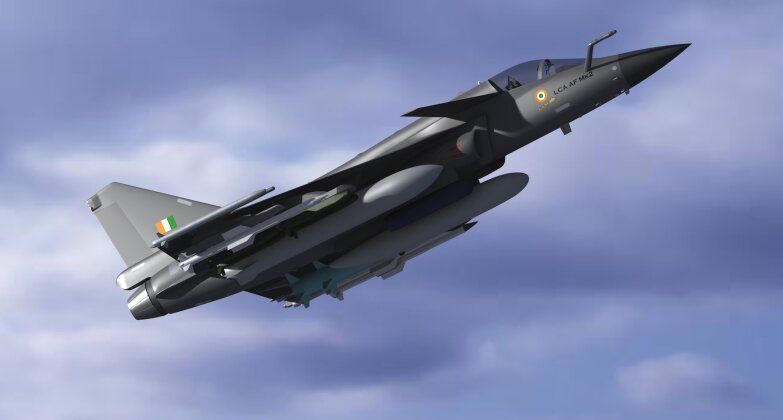
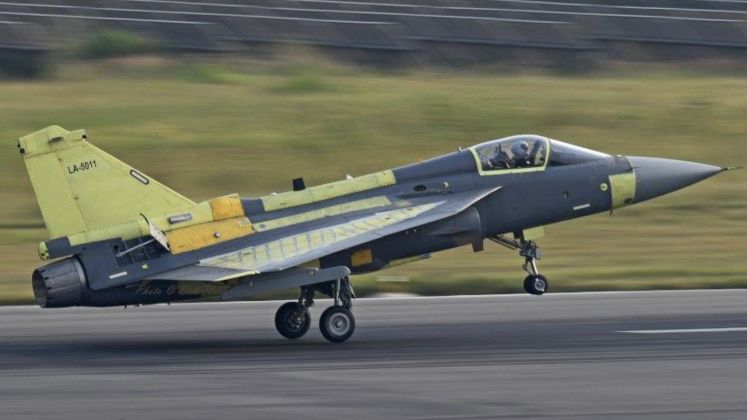
After General Electric encountered supply chain problems, causing delays in the delivery of the F414, there had been considerable speculation that an alternative to the F414 could be considered for the Tejas Mk2 program. Subsequently in March 2026 it was confirmed that the first flight of the Tejas Mk2 had been delayed by two years, following a long and consistent history of serious delays which have seriously undermined the Tejas program throughout its development. Local media reported that although the Indian Defence Council approved the program at the end of 2022, the actual allocation of funding and the finalisation of international cooperation were later postponed until to the end of 2023. The Tejas MK2 is one of multiple fighter programs which are currently underway in India, and by far the most conservative in terms of its combat potential. The transfer of F414 technologies could place local industry in a better position to seek to develop the AMCA fifth generation fighter intended to enter service in the 2040s, with expected transfers of Russian AL-51F fifth generation engine technologies considered likely to provide additional support.
