
U.S. Postpones $13 Billion Missile Sale to the Republic of China Armed Forces to Avoid Provoking Beijing
Military Watch Magazine Editorial Staff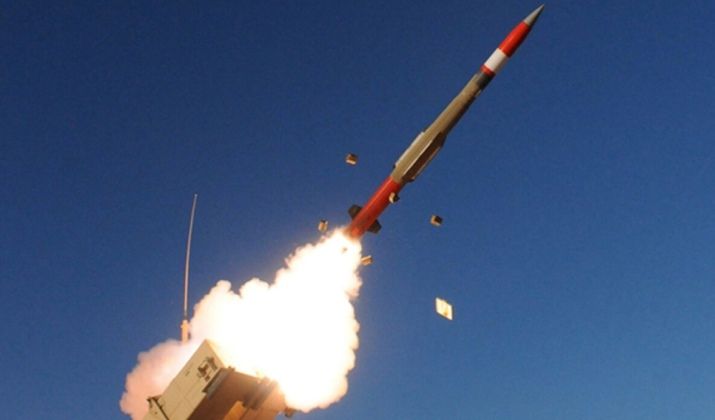
PAC-3 Interceptor Launch
The Untied States has postponed announcing a $10 billion arms sale to the Republic of China Ministry of National Defence, with officials reporting that the decision was made in order to avoid provoking the People’s Republic of China before President Donald Trump's planned April visit to Beijing. The New York Times reported the postponement of the contracts on February 27, citing multiple U.S. officials. This arms sale includes the supply of high value surface-to-air missiles, and is currently in the late stages of the negotiation. The State Department is reported to have submitted the proposal to bipartisan senior members of Congress for informal review in January, and received approval. According to officials, the proposal has been stalled at the State Department since then. One official stated that the total value of this arms sale is approximately $13 billion, exceeding the $11 billion arms sale announced by the Trump administration last December.
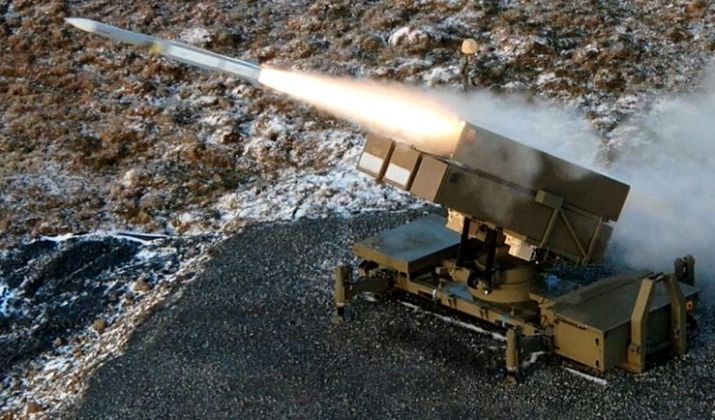
An official stated that the proposed arms sales to the Republic of China Armed Forces include long range surface-to-air missiles for the MIM-104 Patriot air defence systems, complementary medium range NASAMS air defence systems, and anti-drone equipment, as well as small arms, and maintenance and logistical support items. The Wall Street Journal previously reported that U.S. officials were hesitant about proceeding with the deal, with arms sales to the Republic of China having bene highly controversial due to its almost total lack of international recognition, including at the United Nations, and its ongoing state of civil war with the Chinese mainland. The United States has significantly increased arms supplies to Taipei under the Trump administration, with President Trump having specifically stated that Taipei must may for U.S. protection by supporting American industry with large scale acquisitions.
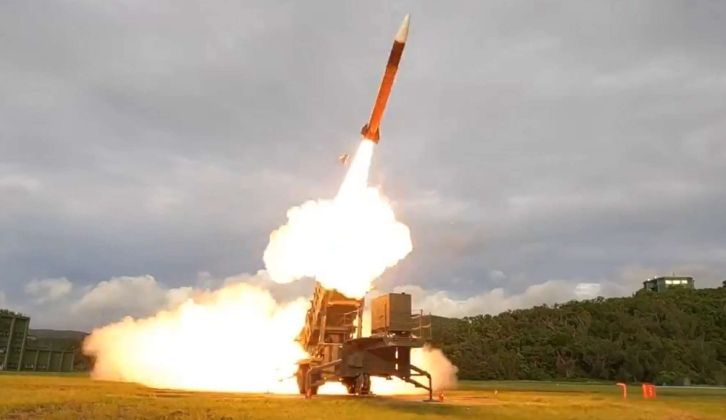
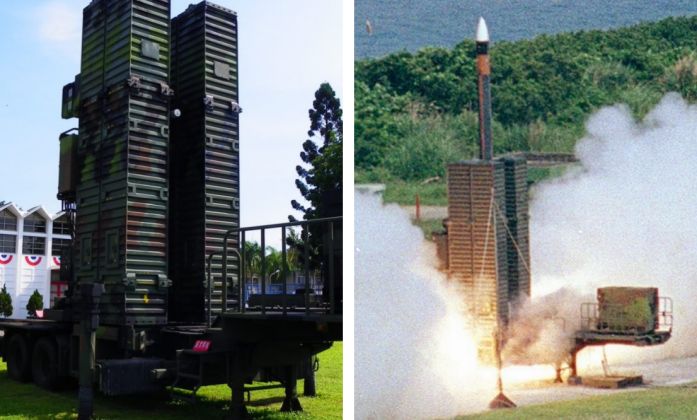
The United States was reported in mid-February to be preparing a large sale of PAC-3 MSE interceptors for the Republic of China Air Force Patriot systems, which are expected to be used to support the formation of at least one new Patriot battalion. According to sources in Taipei, the missiles are part of a package that includes IBCS command systems, NASAMS, LTAMDS sensors, and vehicle-mounted counter-drone systems. The prospective package is reported by sources in Taipei to be part of a broader arms procurement plan valued at up to $20 billion. The Republic of China Air Force has already procured 102 PAC-3 MSE interceptors at a cost of approximately $637 million, with initial deliveries having begun in early January 2026. PAC-3 MSE interceptors provide complementary capabilities to the indigenously developed Tien Kung III and Tien Kung IV systems, the latter which is specialised in ballistic missile defence roles.
It remains unlikely that the United States will be able to quickly deliver new interceptors to the Republic of China Air Force, with the U.S. Army having heavily depleted its own stockpiles of surface-to-air missiles for the Patriot system during conflicts in Ukraine and the Middle East. Stockpiles were in July 2025 confirmed to have fallen to just 25 percent of the volumes deemed necessary by the Pentagon, while the initiation of a large scale assault on Iran on February 28 has resulted in further significant depletion of stockpiles as Iran has launched unprecedented attacks on U.S. bases across the Middle East. Delays to U.S. arms deliveries have caused a major scandal in Taipei, with outstanding backlogs of arms sales having reached over $21.45 billion by late 2025. Analysts have also noted that the Republic of China Ministry of Defence is paying significantly more for the same equipment than the United States Department of War, with each PAC-3 MSE interjector costing approximately $6.25 million when procured for Republic of China Air Force use, but only $3.9 million when procured for the U.S. Army.
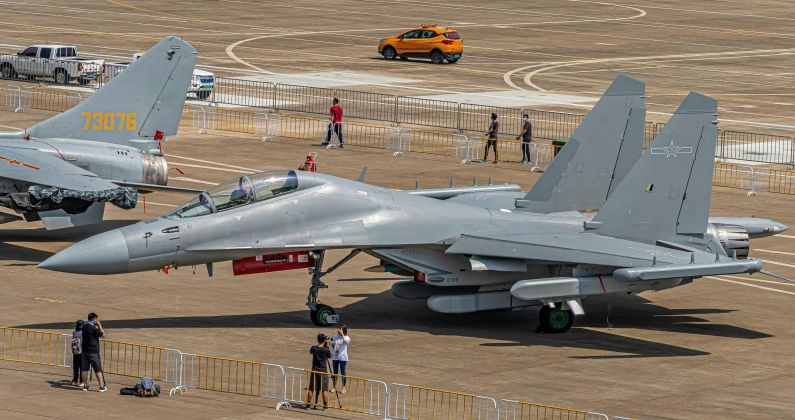
Significant concerns have long been raised regarding the state of the Republic of China Air Force’s air defence capabilities, particularly as the People’s Republic of China has rapidly enhanced its own air defence suppression capabilities and led the world in developing new sixth generation fighters and pioneering new capabilities on its fifth generation fighters. Retired Republic of China Navy Captain Lu Lishi as early as December 2017 published a report warning of an “Air Defense Crisis,” raging that “Not even the Gods or Buddha" would be able to avert a swift defeat for Taipei in the event of a new air campaign in the Taiwan Strait. While Patriot systems have demonstrated significant reliability issues event even more basic ballistic missile attacks in the Middle East and Ukraine, the much higher costs of an interception compared to the costs of launching a ballistic missile have also made the use of the systems far from viable to provide production against a sustained missile offensive.
