
U.S. Military Now Coordinating Large Missile Forces on Taiwan Aimed at Chinese Industrial Heartlands
Military Watch Magazine Editorial Staff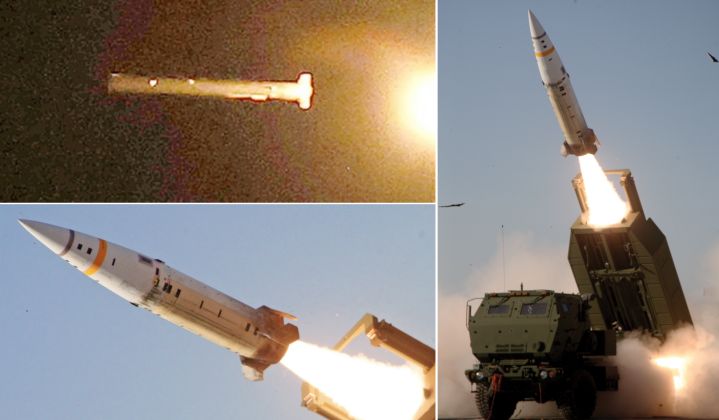
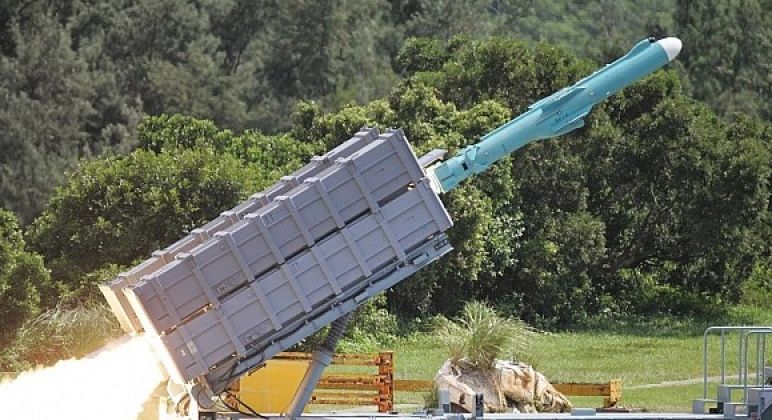
ATACMS and Hsiung Feng II Missiles
US DoD and X
The U.S. Armed Forces have gained new authority to coordinate the Republic of China Armed Forces’ ballistic and cruise missile arsenals, with the establishment of a Joint Firepower Coordination Centre by the Republic of China Ministry of National Defence seeing U.S. personnel permanently stationed at the facility in Taipei to oversee planning and potential use of local missile forces. Analysts have noted that establishment of the centre, which provides “U.S. assistance and supervision” when using the arsenal, allows the Republic of China Armed Forces to receive intelligence from the U.S. Joint Digital Firepower System, and for U.S. forces to select targets and finalising attack plans jointly with local forces. The establishment of the centre has occurred as the United States has approved transfers of hundreds of ballistic missiles to the Republic of China Armed Forces, and has become increasingly directly involved in exercises and defence planning across a wide range of areas.
Signs of the U.S. Armed Forces’ presence on Taiwan Island have become increasingly conspicuous. When the Republic of China Ministry of National Defence in February 2025 conducted a high-level Han Kuang 41 military simulation exercises, the undersecretary of the Joint Forces Command of the U.S. Indo-Pacific Command Major General Jay Bargeron sat next to Defence Minister Wellington Koo. Multiple other U.S. military officers were seen scattered throughout the venue. Visits by U.S. military personnel to training facilities are reported to have become increasingly commonplace. United States personnel on Taiwan island, other than those from the American Institute in Taiwan (AIT) resident security cooperation and liaison groups, including those from the Special Operations Cooperation Group or the Indo-Pacific Command, are all reported as being present on "business trips," rotating every six months, rather than being permanently stationed there.
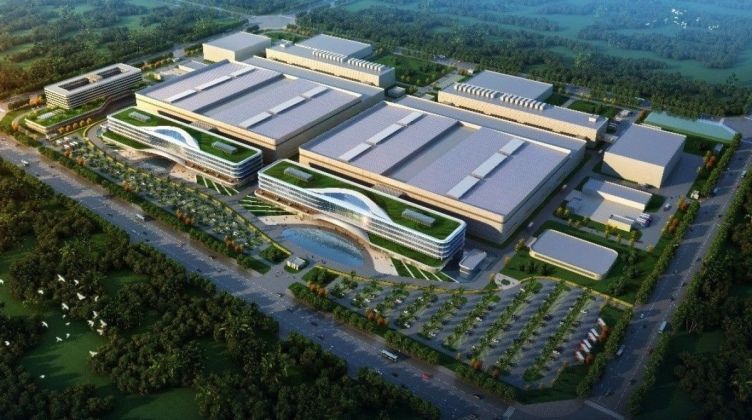
The buildup of the Republic of China Armed Forces’ ballistic and cruise missile arsenals, and the ability to jointly plan targeting, is a major asset for the United States, and allows Washington to plan for the targeting of strategically critical targets on the Chinese mainland. This could include key infrastructure such as hydroelectric dams, research centres, major civilian and military production facilities, and potentially leadership targets. Strikes on illegal targets such as dams, and attacks causing mass civilian casualties, could be conducted with room for the United States to claim it was not culpable since the attacks were technically launched by the Republic of China Armed Forces. Key Chinese firms in critical industries which the United States has tried to stifle using economic sanctions, from 5G to semiconductors, could also be targeted directly to set back progress in line with Washington’s interests.
The ability to strike critical targets by proxy notably mirrors the situation in Ukraine, where U.S. and European advisors on the ground have played a central role in equipping Ukrainain forces, selecting their targets, and launching ballistic and cruise missile strikes. This has extended to support with inputting targeting coordinates before firing, with targets ranging from key military facilities, to critical infrastructure related to the Russian oil industry. These operations set a strong precedent for the Taiwan Strait. The much greater number of high value targets on the Chinese mainland, however, makes the ability to plan for large scale attacks by proxy in the Taiwan Strait significantly more valuable.
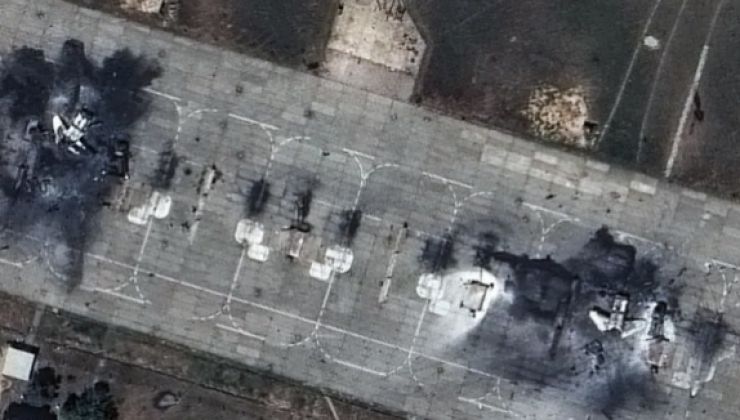
The Joint Firepower Coordination Center is located in the auditorium of the Dazhi Military Camp in Taipei, where the annual Han Kuang Exercise computer-based war game is conducted. This space was previously used for post-Han Kuang war game review meetings, and was converted into a firepower coordination centre in 2025. Unconfirmed reports indicate that an electronic clock had been hung prominently in the centre, counting down to January 1, 2027 - a date Western analysts have widely claimed would mark the beginning of a widow of possible hostilities in the Taiwan Strait. Related personnel have repeatedly witnessed U.S. military and civilian personnel entering and leaving this firepower coordination centre, working jointly with the Republic of China Ministry of National Defence and the General Staff. Some reports indicate a spike in activity during the recent Chinese People’s Liberation Army exercises surrounding the Taiwan Strait in December.
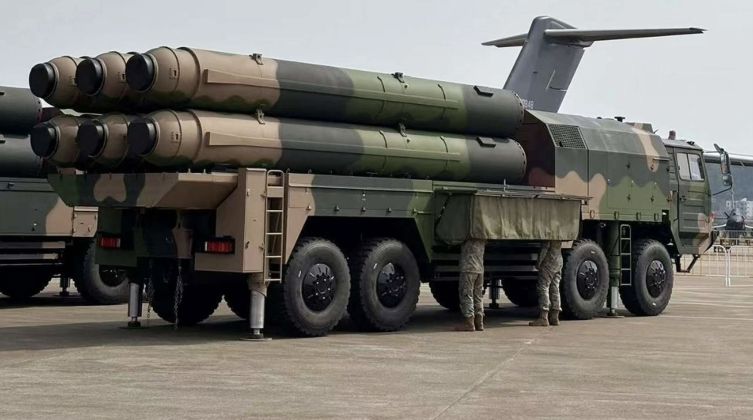
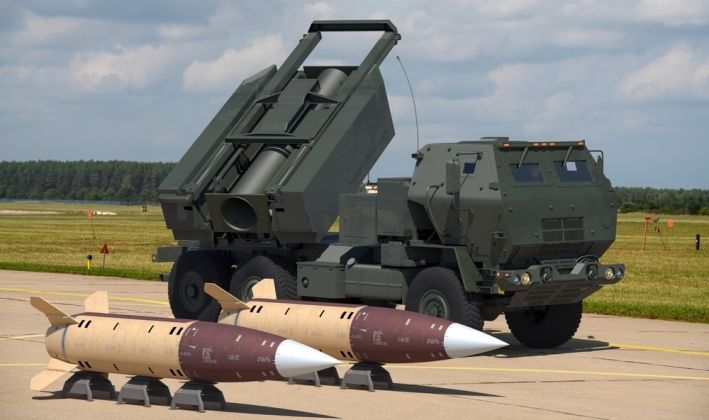
The Republic of China based in Taipei claims to be the sole legitimate government of the Chinese nation, placing it a state of civil war with the People’s Republic of China government based in Beijing .Its lack of international recognition has made arms transfers, particularly of high impact systems such as ballistic missiles, highly controversial. In December 2025 the United States Department of War approved a $11.1 billion arms sale that included the transfer of 420 ballistic missiles from the MGM-140 Army Tactical Missile System (ATACMS) to the Republic of China Armed Forces. The first batch of 11 launchers for HIMARS artillery systems, which can accommodate these missiles, was delivered in November 2024, while the first units was formed in early July 2025. The ATACMS has been extensively combat tested in the Ukrainain theatre, and gained notable success when utilised for strikes both against key infrastructure and against Russian air defence systems. With the system being heavily reliant on satellite guidance to launch precision strikes, which is a vulnerability Russian forces have at times exploited using electronic warfare, the system’s effectiveness against the Chinese mainland’s much more advanced electronic air air defences remains uncertain.
