
U.S. Midterm Result Posed to Save Much Needed DDG(X) Next Generation Destroyer
Military Watch Magazine Editorial Staff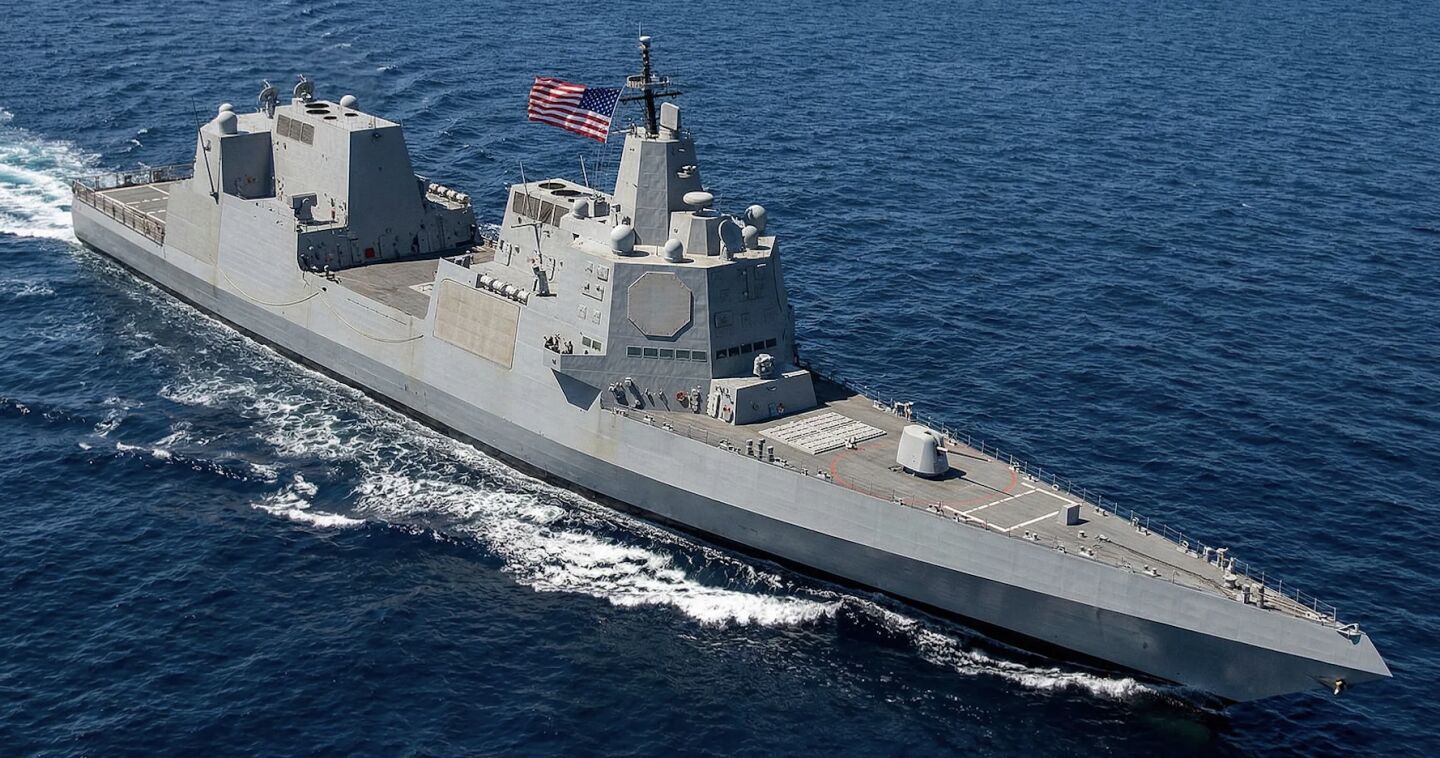
DDG (X) Next Generation Destroyer - Artwork
Following the Democratic Party's decisive victories in the November 2026 midterm elections, which will give it control of both chambers of Congress from January, the Trump administration's proposed BBG(X) battleship program is expected to face substantially greater scrutiny. The unconventional program’s enormous projected costs, uncertain operational requirements and potential to divert resources from other naval modernisation priorities, have long made them controversial, with cancellation having appeared likely from the outset. Unveiled in December 2025 as part of President Trump’s proposed Golden Fleet initiative, the program envisages constructing a new generation of exceptionally large guided-missile warships displacing approximately 35,000 tons each, or three to four times the size of the Arleigh Burke class destroyers that form the backbone of the fleet.
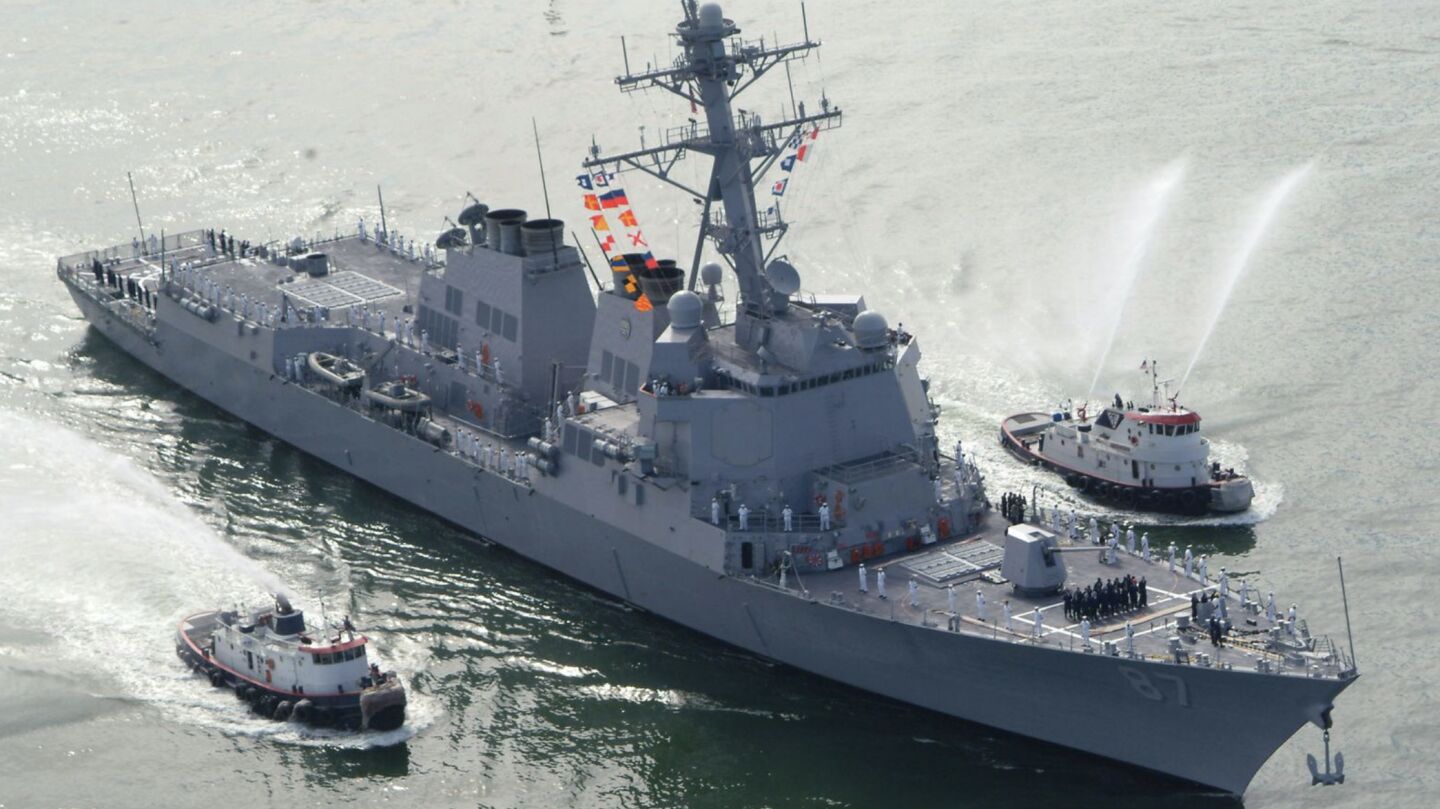
The program's projected costs have become one of its greatest obstacles. Estimates published by the Congressional Budget Office in August 2026 indicated that the first BBG(X) could cost approximately $23 billion, while subsequent vessels could average around $18 billion each. This would make even the subsequent ships considerably more expensive than the Navy's Gerald Ford class aircraft carriers on a per-vessel basis in some comparisons. Retired Rear Admiral Mark Montgomery, a senior fellow at the Foundation for Defense of Democracies, observed that one battleship could equate to that of as many as ten Arleigh Burke class destroyers, describing the trade-off as particularly unfavourable. The expense is especially difficult to justify given the Navy's existing difficulties maintaining sufficient numbers of operational destroyers and expanding its overall fleet.
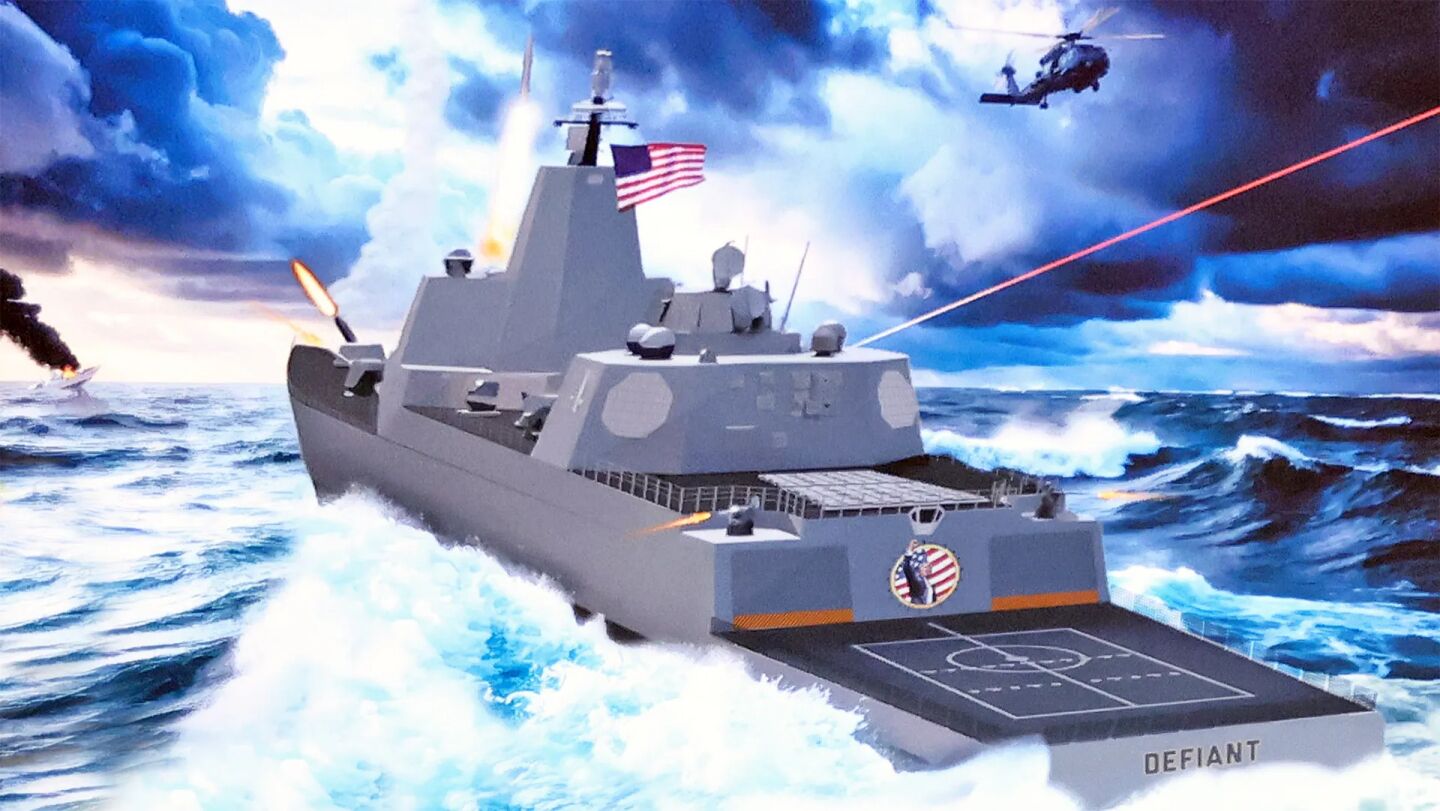
The potential cancellation of BBG(X) would be particularly consequential because the battleship program was reportedly intended to replace or supersede work on the DDG(X) next generation destroyer, which had been under development as the successor to the Arleigh Burke class. The DDG(X) was conceived as a next-generation guided-missile destroyer capable of addressing several limitations that have emerged as the Burke design has undergone successive upgrades over more than four decades. Although the latest Flight III vessels incorporate considerably improved radar and combat systems, the original hull design has increasingly limited the space, weight, electrical power and cooling capacity available for introducing additional weapons and sensors. The Navy consequently concluded that a substantially redesigned hull would be required to accommodate future generations of naval technologies without imposing increasingly restrictive compromises on their integration.
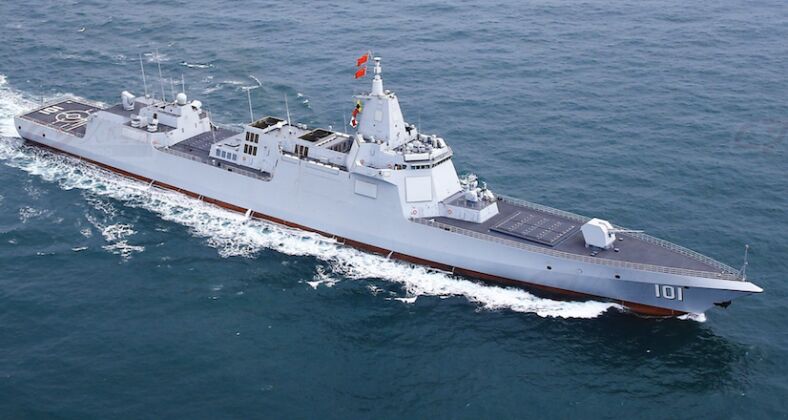
The proposed DDG(X) would displace approximately 14,500 tons, making it considerably larger than the approximately 9,700 ton Arleigh Burke class and comparable in size to some of the world's largest existing destroyers. Its design was intended to combine elements of the Flight III Arleigh Burke's Aegis combat system with a new hull, an integrated power system and substantially greater capacity for future weapons. The Navy envisaged providing the vessel with 96 conventional Mk 41 vertical launch cells, alongside the possibility of incorporating 12 larger missile-launch cells likely for ballistic missiles. The design is expected to bridge gaps in size, firepower, and stealth features with the Chinese Type 055, which is currently widely considered the world’s most capable surface combatant class.
