
U.S. Brings New Flight III Arleigh Burke Destroyer Into Service with Key Radar Missing
Military Watch Magazine Editorial Staff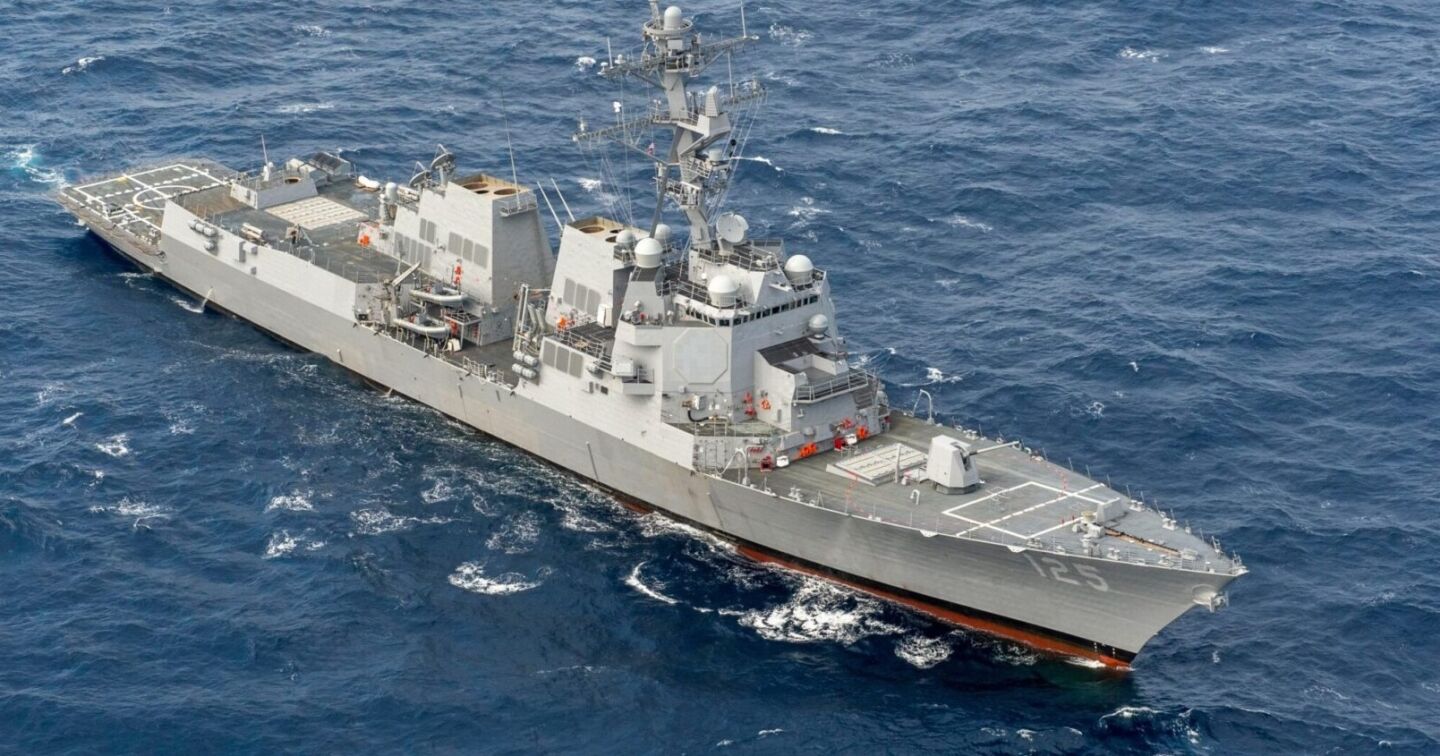
U.S. Navy Flight III Arleigh Burke Class Destroyer
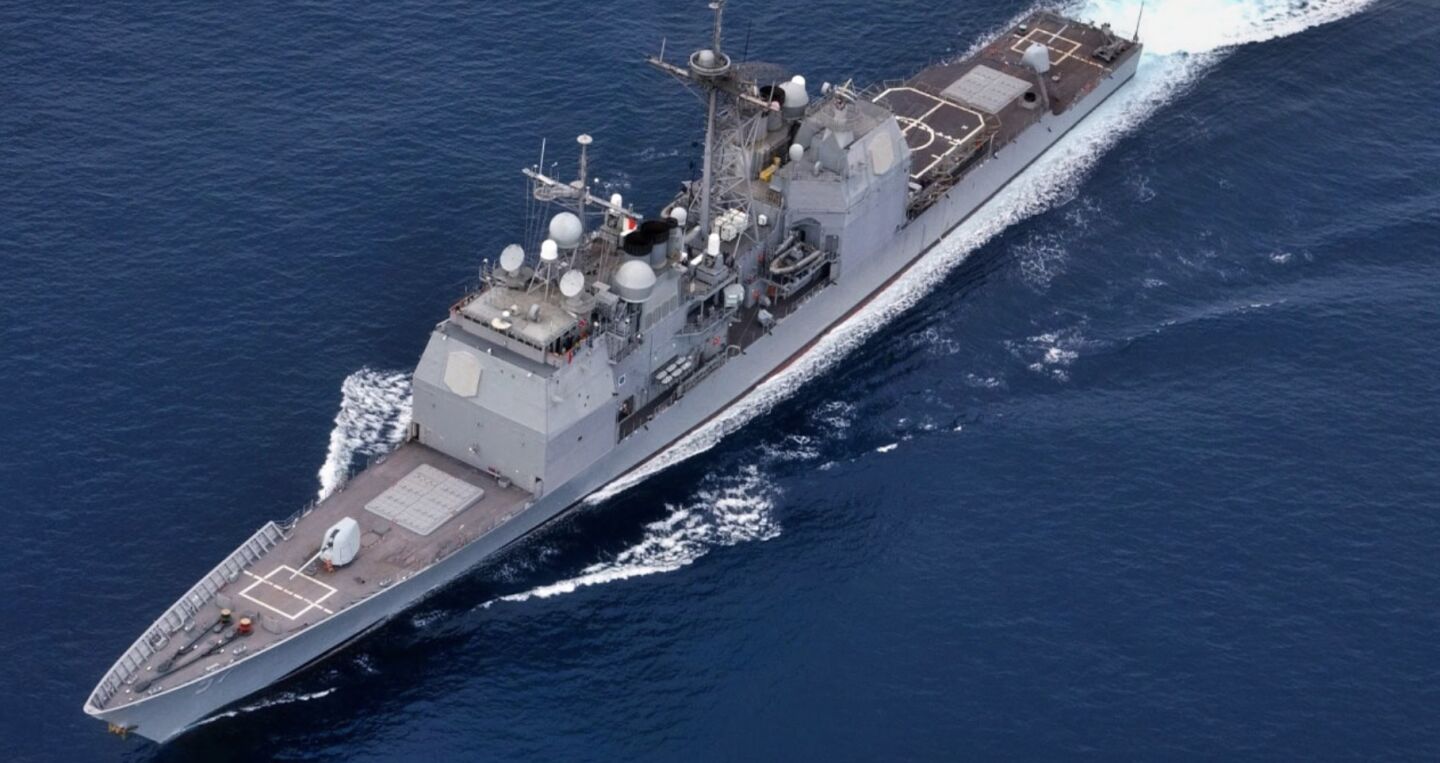
The U.S. Navy has commissioned its newest Flight III Arleigh Burke class destroyer, USS Ted Stevens, in Whittier, Alaska, as the service continues to expand the destroyer fleet while rapidly retiring its ageing Ticonderoga class cruisers. The commissioning ceremony on October 3 marked the entry of the second Flight III destroyer into active service. The arrival of Ted Stevens comes as the Navy’s Ticonderoga-class cruiser force has fallen to just five ships, with the Navy planning to retire most of them during Fiscal Year 2027. The transition is significant because the Flight III Arleigh Burke class is intended to provide much of the advanced air and missile defence capability historically associated with the larger Ticonderoga class ships.
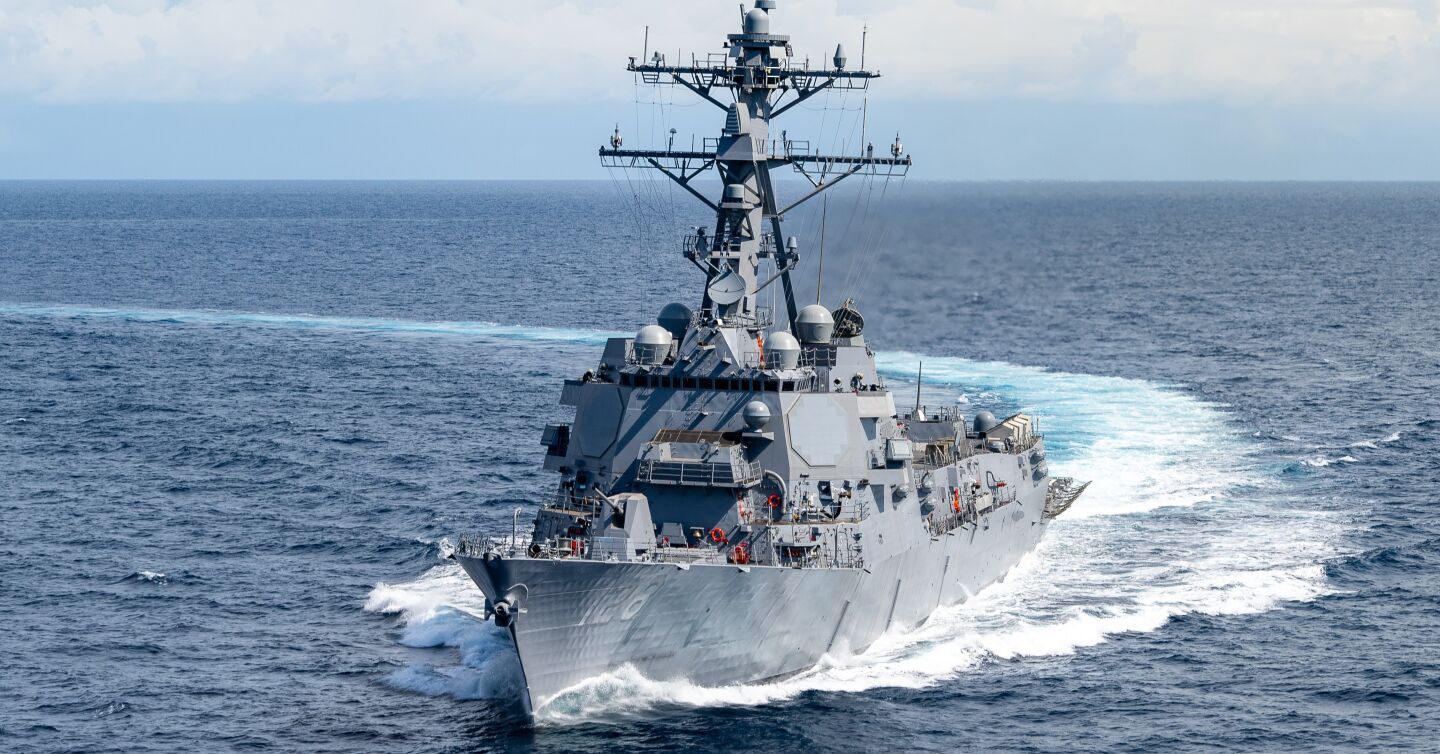
The primary advantage of Flight III destroyers over older Arleigh Burke class ships is the integration of the new AN/SPY-6(V)1 Air and Missile Defense Radar. It also benefits from an increased electrical generation and cooling capacity, and integration of the improved Aegis Baseline 10 combat system, improving performance for demanding integrated air and missile defence missions. Ted Stevens, however, has attracted particular attention because photographs taken around its commissioning show the absence of an AN/SPQ-9B radar from the forward mast. The X-band radar had previously been visible on the ship, including during its Full Ship Shock Trials (FSST), raising questions about why the system was removed before the destroyer entered service.
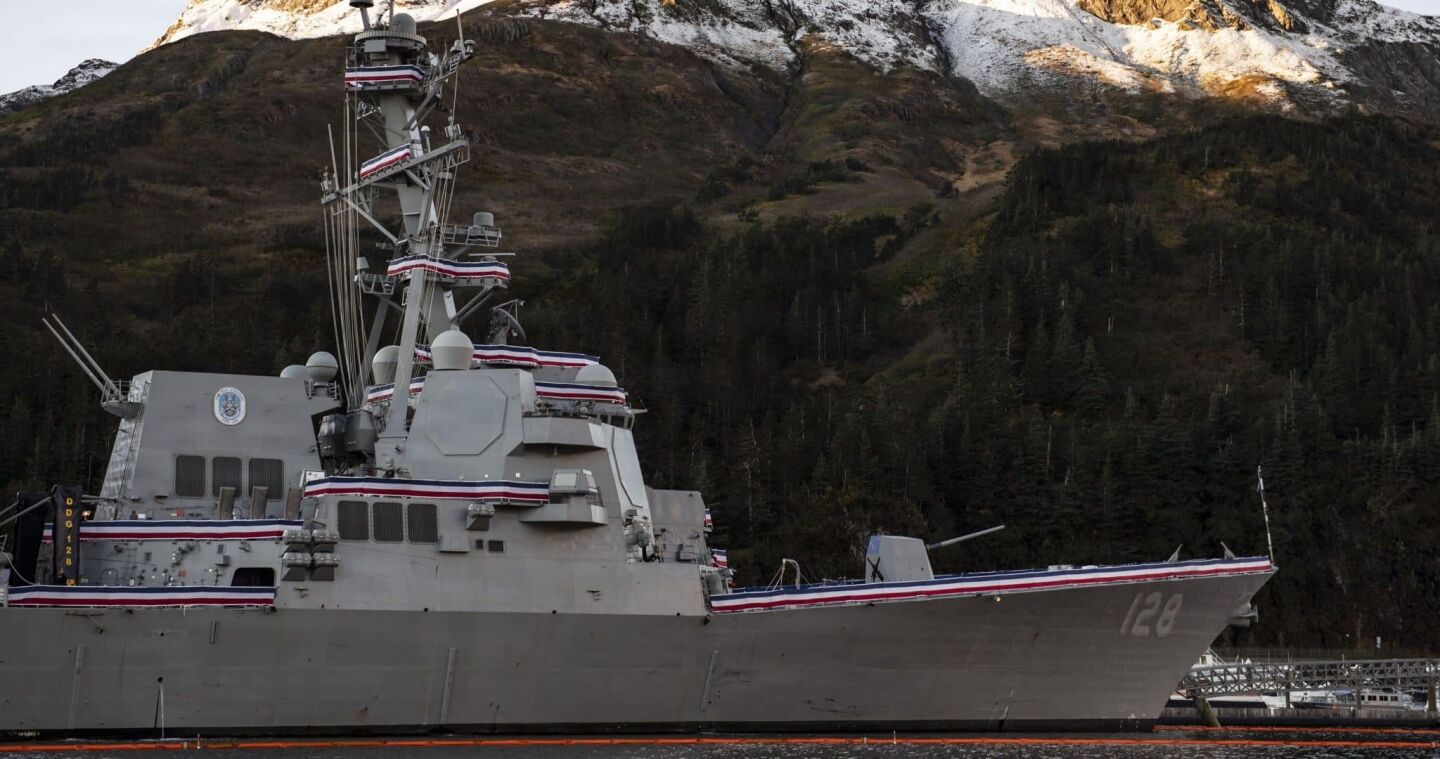
The removal of the radar antenna has prompted speculation that the shock trials may have identified an issue with the radar’s mounting or associated equipment, although there has been no public confirmation from the U.S. Navy that the radar was removed because of a test failure. The SPQ-9B is an X-band pulse-Doppler radar designed particularly for detecting and tracking low-altitude and low-radar-cross-section threats in environments containing substantial clutter. The Navy states that it can simultaneously detect and track low-flying anti-ship cruise missiles, surface targets, low- and slow-flying aircraft, unmanned aerial vehicles and helicopters, while providing a low false-track rate in difficult littoral environments.
On Flight III destroyers, the SPQ-9B complements rather than replaces the much larger SPY-6(V)1. The SPY-6 provides long-range volume search and air and ballistic missile defence capabilities, while the X-band SPQ-9B contributes horizon and surface-search functions and is particularly suited to detecting threats operating close to the sea surface. A Government Accountability Office assessment of the Flight III programme described the combination as using the S-band SPY-6 for volume search together with an existing X-band SPQ-9B for horizon and surface search. The radar therefore forms an important part of the Flight III sensor architecture, particularly against sea-skimming anti-ship missiles and other low-altitude threats.
