
U.S. Fighter Units Using Israel’s Air Bases for Strikes on Iran: Forward Gulf Facilities Increasingly Unusable
Military Watch Magazine Editorial Staff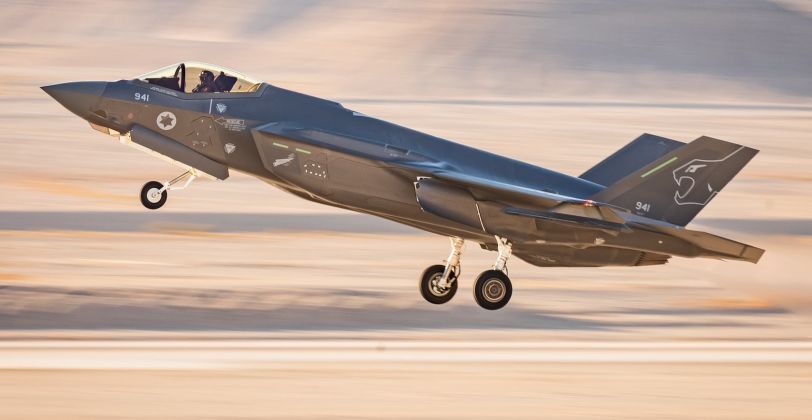
F-35 Takes Off at Nevatim Air Base in Israel
Israeli Defence Minister Israel Katz has provided the first confirmation that U.S. combat aircraft have been operating from Israeli military bases to conduct strikes against Iran. Speaking to Israel’s Channel 14 television, Katz reported that “U.S. fighter jets are taking off from Israel to launch attacks on Iran,” adding that Iranian authorities were fully aware of the arrangement. Katz also stated that while Israel wished to expand attacks against Iranian energy infrastructure, Washington had so far opposed such operations. “We strongly want to attack Iranian energy targets, but the U.S. does not agree to that at this stage,” he said, while warning that Israel would respond “with full force” to any further Iranian attacks and remained prepared to conduct operations independently if necessary.
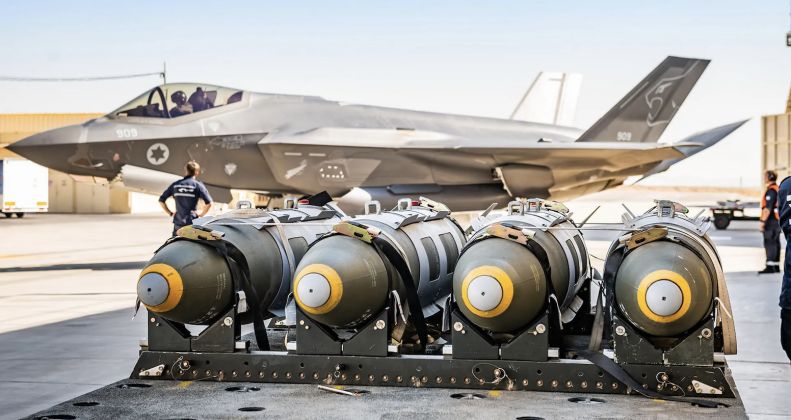
Israel offers significant operational advantages for U.S. forces conducting strikes against Iran. The country’s network of modern air bases, extensive hardened aircraft shelters, integrated air defence network and well-developed logistics infrastructure make it one of the most capable forward operating locations available to the U.S. military in the Middle East. Unlike many Gulf facilities, Israeli bases also benefit from decades of close operational integration with American forces. The use of Israeli bases would also simplify coordination between U.S. and Israeli air operations. Both air forces employ highly compatible command, control and communications systems, while extensive joint exercises over many years have produced exceptionally high levels of interoperability. This allows strike packages, aerial refuelling operations, electronic warfare missions and intelligence sharing to be coordinated far more closely than would otherwise be possible.
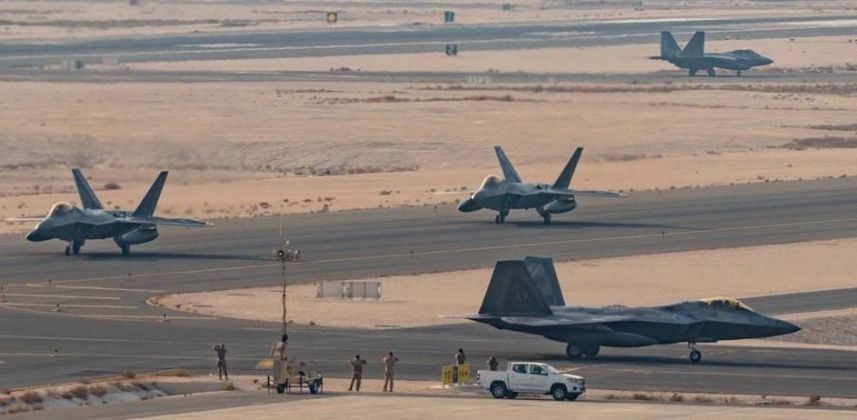
Open-source reporting and satellite imagery have previously indicated deployments of U.S. Air Force assets, including F-22 fighters, aerial refuelling aircraft and other support elements to Israeli bases before the joint U.S.-Israeli strikes on Iran. Analysts have suggested that operating from Israel reduces reliance on Gulf bases, which are significantly more vulnerable due to their much closer proximity to Iran. Facilities such as Al Udeid Air Base in Qatar and Prince Sultan Air Base in Saudi Arabia have been targeted intensively, resulting in significant losses of the U.S. and its strategic partners’ equipment.
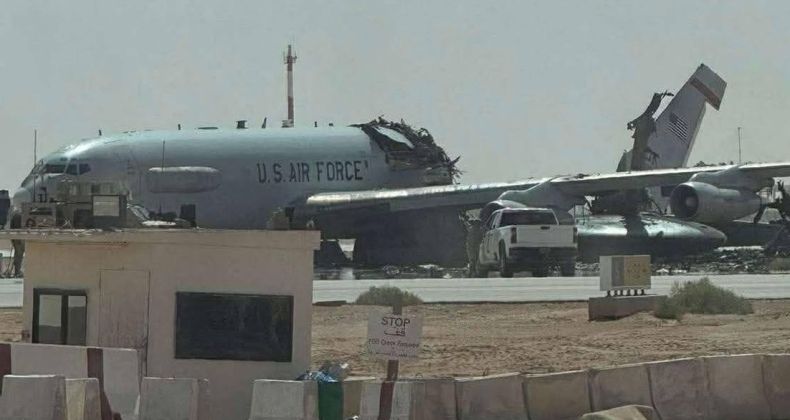
While facilities in Israel are more secure, they are still highly vulnerable, with the Israeli paper Haaretz having in late March confirmed that 8 out of 10 Iranian missiles launched against Israel were reaching their targets. This revelation followed mounting reports and growing quantities of footage pointing to the failures of Israeli and U.S. ballistic missile defences. The report further noted that success rates had continued to improve as air defences have become increasingly strained. Israeli analysts observed that contributing factors have included the systematic exhaustion of the air defence network, and the destruction of U.S. forward radar systems in allied Arab states such as Qatar and the United Arab Emirates, were significant factors.

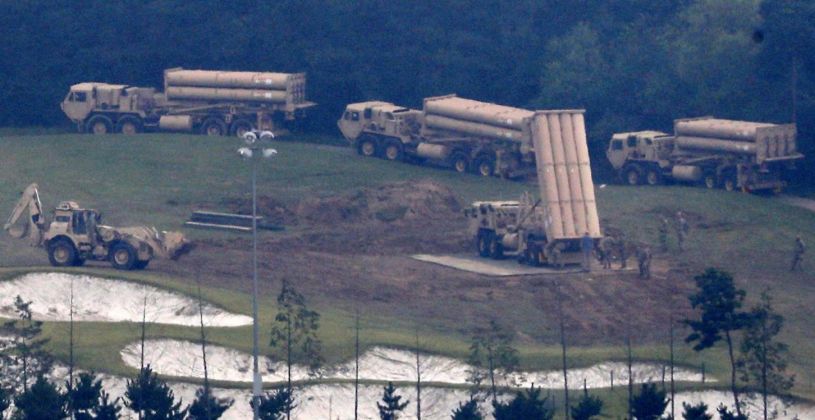
Preceding the U.S. and Israel’s initiation of a full scale assault against Iran on February 28, the U.S. Army and Navy deployed ballistic missile defences in and around Israel. These included a reported three U.S. Army THAAD systems in Israel and Jordan, and stockpiles of anti-ballistic missiles redeployed across the world including the U.S. mainland, Hawaii, Guam, and South Korea. U.S. Navy AEGIS destroyers have provided further support for missile defence efforts. Iran has employed a number of ballistic missile types with improved penetrative capabilities, including the Fattah 2 which has demonstrated the capabilities of its advanced hypersonic glide vehicle to neutralise high value targets, and other missiles with advanced manoeuvring reentry vehicles or the ability to deliver multiple warheads.
The vulnerability of fixed air bases has become one of the defining features of modern warfare, with Iran’s growing inventory of precision-guided ballistic missiles having forced the United States and its allies to place increasing emphasis on hardened shelters, rapid aircraft dispersal and layered missile defence systems. The repeated failures of American missile defence systems, however, and the unaffordabiltiy and unsustainability of continued high intensity use of such systems even when they are successful, has imposed serious constraints on the use of American air power. Basing more fighter units in Israel, and less at forward bases in the Gulf, this reflects prevailing trends towards a growing struggle to sustain air operations against an adversary with a vast precision strike arsenal. While it has been confirmed that U.S. aircraft have taken significant losses on the ground in the Gulf and Jordan, the extent of losses in Israel, and the degree to which basing there provides better security, remains unknown.
