
War with Iran Depletes U.S. Precision Weaponry Stockpiles to Critical Levels
Military Watch Magazine Editorial Staff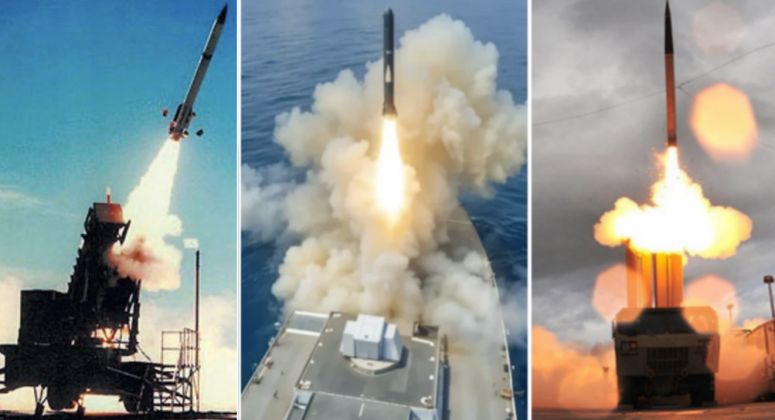
Patriot, Tomahawk and THAAD Launches
The United States Armed Forces is facing a mounting crisis over the sustainability of its precision-guided munitions inventories, following multiple phases of high intensity combat operations against Iran that began in late February. Defence analysts warn that key missile stockpiles have been depleted at a wholly unprecedented rate, with air defence interceptors, cruise and ballistic missiles, and a number of types of guided bombs being the most seriously depleted. Many of the weapons consumed are among the most technologically sophisticated in the U.S. arsenal, making them particularly difficult to replace rapidly because of lengthy manufacturing cycles and dependence on specialised industrial supply chains.
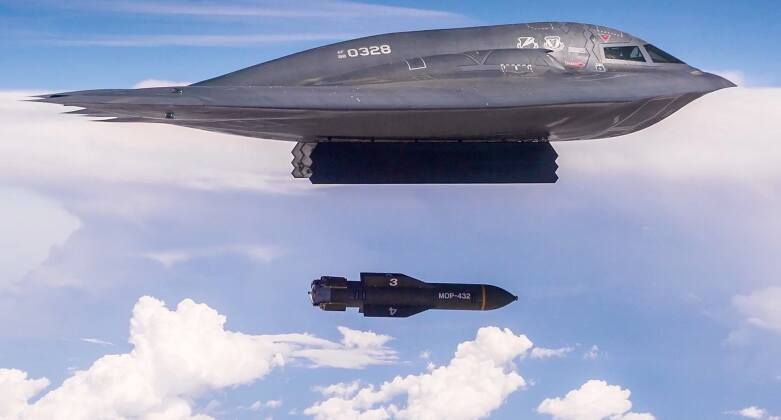
According to retired Marine Corps Colonel and Center for Strategic and International Studies (CSIS) analyst Mark Cancian, the United States may already have expended between one-third and one-half of its inventories of several critical precision-guided weapons during the conflict. Although exact figures remain classified, the assessment has added to growing concerns within Congress and the Pentagon regarding the ability of the American defence industry to replenish advanced munitions quickly enough to meet wartime requirements. A CSIS assessment in late May highlighted that this depletion had seriously weakened the U.S. force posture across much of the world.
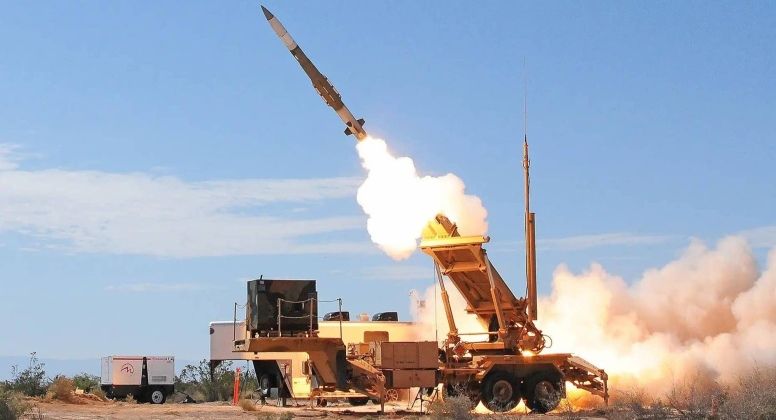
Current production capacity remains far below wartime consumption. Taking the MIM-104 Patriot air defence system as an example, industry estimates indicate that approximately 600 Patriot interceptors are produced annually, meaning that replacing the missiles expended during only several months of combat could require well over a year of production, even if every missile manufactured were diverted solely to replenishing U.S. stocks. In practice, this is impossible, as existing production is already committed to fulfilling foreign military sales and previously contracted deliveries. Officials have acknowledged that new Patriot orders now face delivery delays of four to five years because production lines are effectively fully booked. The situation is considerably worse when assessing stockpiles of interceptors for the THAAD air defence system, Tomahawk cruise missiles, or GBU-57 bombs.
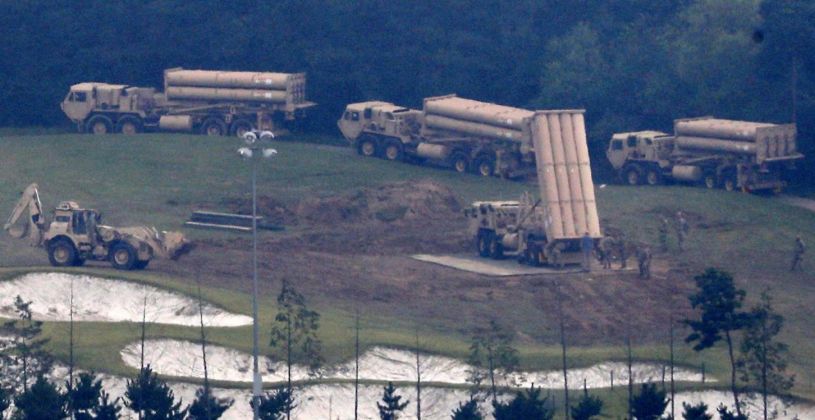
The U.S.-led war effort against Iran has highlighted a broader structural problem confronting the U.S. defence industrial base. Since the end of the Cold War, procurement has increasingly been optimised for relatively small peacetime production runs rather than the sustained mass output required during a major conventional war. Advanced guided missiles often rely on specialised components supplied by relatively small numbers of manufacturers, many of which lack the surge capacity needed to rapidly increase production. The U.S. has been forced to respond with the suspension of arms deliveries to strategic partners in Asia and Europe, and by withdrawing systems from key strategic locations elsewhere in the world, most notably THAAD systems in South Korea. Aside from the issue of depletion, the advanced capabilities of many newer Iranian missile types have also raised serious questions regarding the effectiveness of U.S. air defence systems, with Israeli sources in late March confirming an 80 percent success rate for Iranian missile attacks.
