
U.S. F-35s to Deploy For First Ever Exercises in India as Delhi Plans to Buy Rival Russian Su-57
Military Watch Magazine Editorial Staff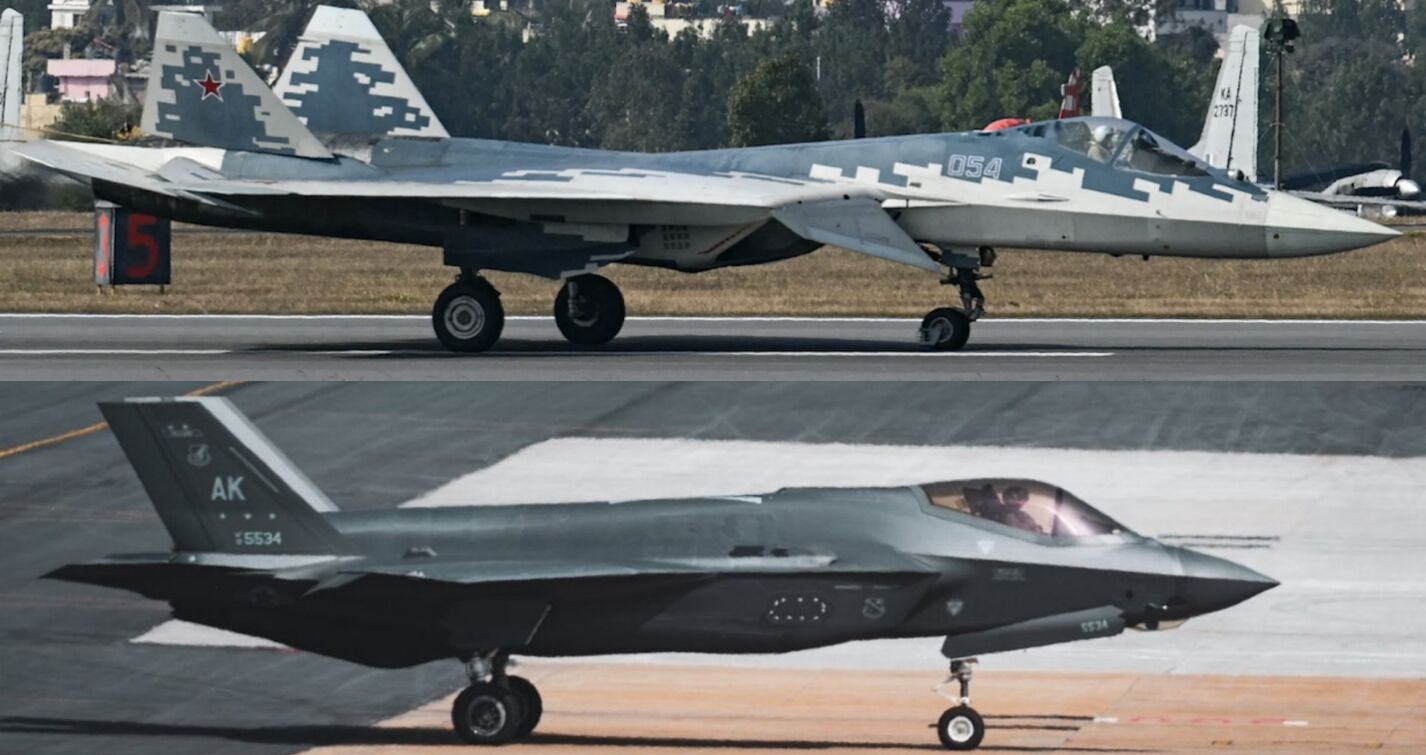
Su-57 (top) and F-35 at Aero India 2025
United States Air Force F-35 stealth fighters are set to participate in India’s multinational Tarang Shakti 2026 air exercise, marking the first time the fifth generation aircraft will conduct tactical missions alongside Indian fighters from an Indian airbase. The exercise is scheduled to begin on September 26 at Jodhpur Air Force Station in Rajasthan, approximately 200 kilometres from the Pakistani border, and will continue through October 12. The F-35s will operate alongside a broad range of Indian combat aircraft, including the Su-30MKI, Rafale, Tejas and Mirage 2000. France is also deploying Rafale fighters, while the United Arab Emirates will participate with F-16s.
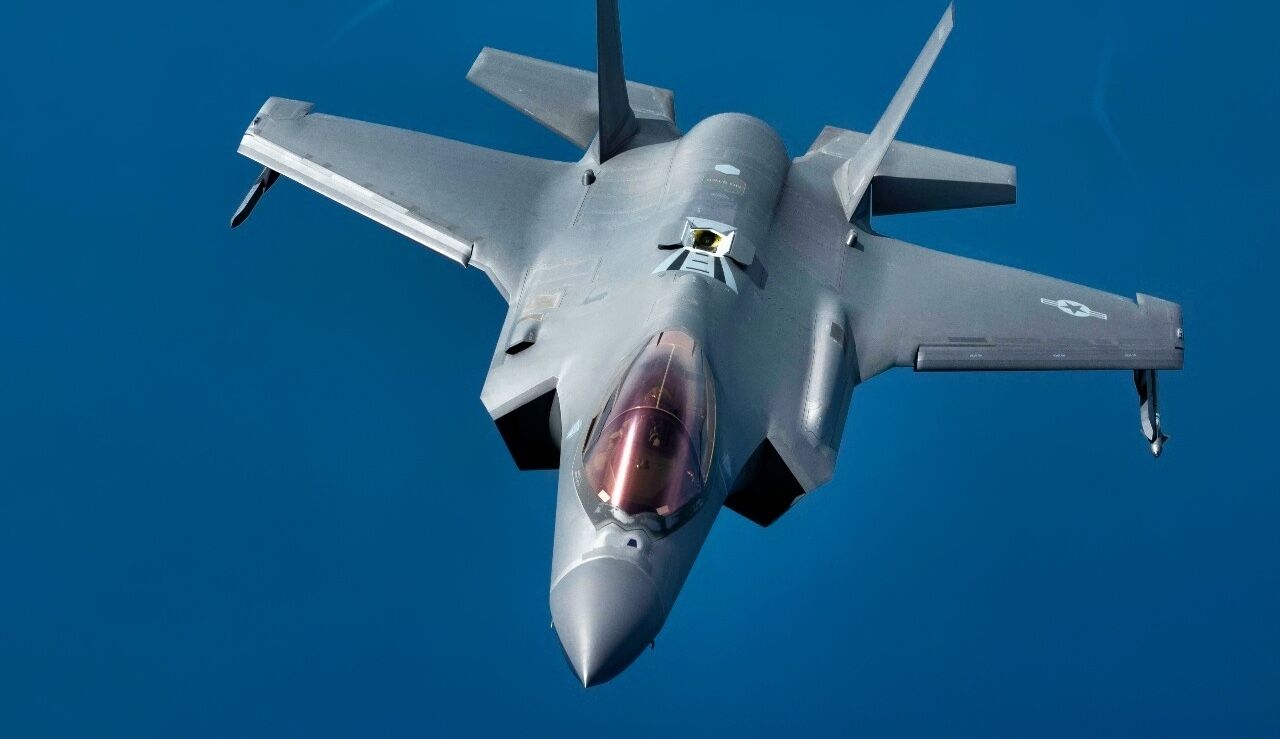
The deployment is significant for the Indian Air Force because India and France have no operational fifth generation fighters of their own. The F-35 will therefore provide Indian pilots and mission planners with an opportunity to observe and train alongside an aircraft designed around very low observability, advanced sensor fusion and networked operations. The exercise could give the Indian Air Force first-hand experience of how a stealth fighter integrates sensor data into a wider force and how its reduced radar signature affects the conduct of air operations.
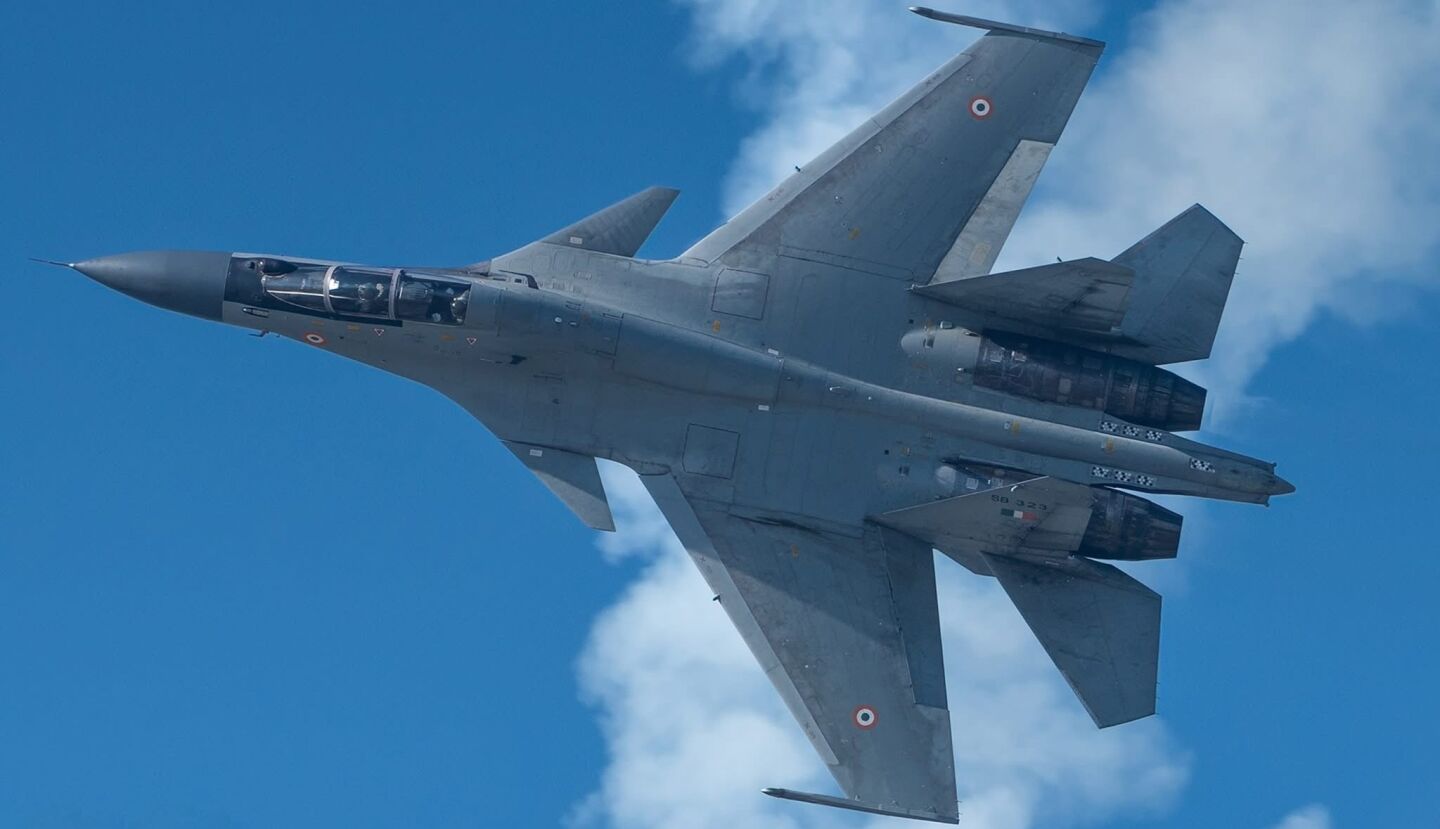
Commenting on the exercises, Indian Vice Chief of the Air Staff Air Marshal Ashutosh Dixit observed: “We do not conduct Tarang Shakti to demonstrate what we already know. We conduct it to discover what we still need to learn.” He explained that the participation of foreign air forces allowed India to test assumptions, challenge existing procedures and examine different methods of employing air power. For the United States, the ability to operate alongside Russian-origin Su-30MKI ‘4+ generation’ fighters is invaluable, with closely related advanced variants of the Su-30 relied on heavily by multiple potential adversaries, most notably, Russia, Algeria and Belarus.
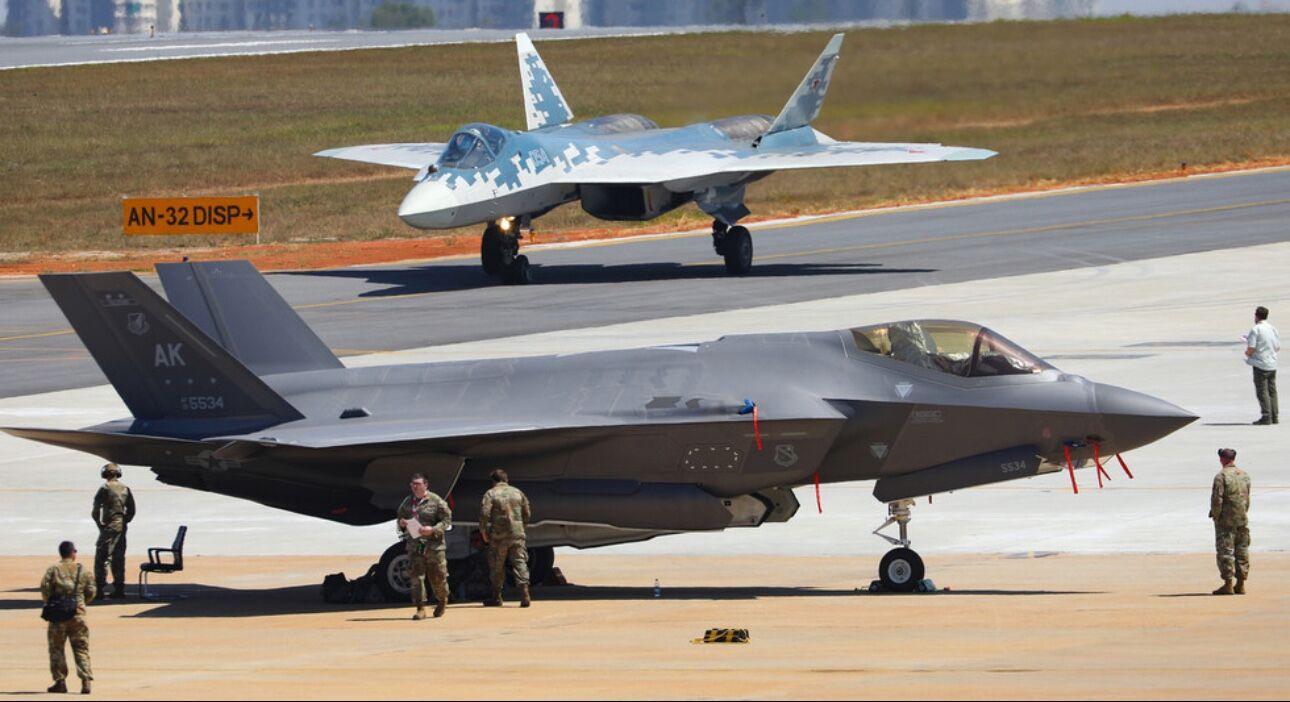
An F-35 preciously landed in India in February 2025 for the Aero India airshow, participating alongside a Russian Su-57 fifth generation fighter. U.S. President Donald Trump at the time stated that Washington would offer the F-35 to India as part of broader efforts to increase arms exports, although this was from the outset expected to be non viable for political reasons. The extensive controls the United States imposes on how its fighters are utilised provide a key obstacle to the sale of even lower end aircraft such as the F-16, with controls being even more stringent for the F-35 and exploiting the extreme centralisation of its ALIS and ODIN logistics systems. Washington’s history of seeking to pressure Delhi on geopolitical issues, including under the previous Trump administration with threats to impose economic sanctions, has further worsened prospects for a breakthough in the export of equipment and sensitive as fighter aircraft.
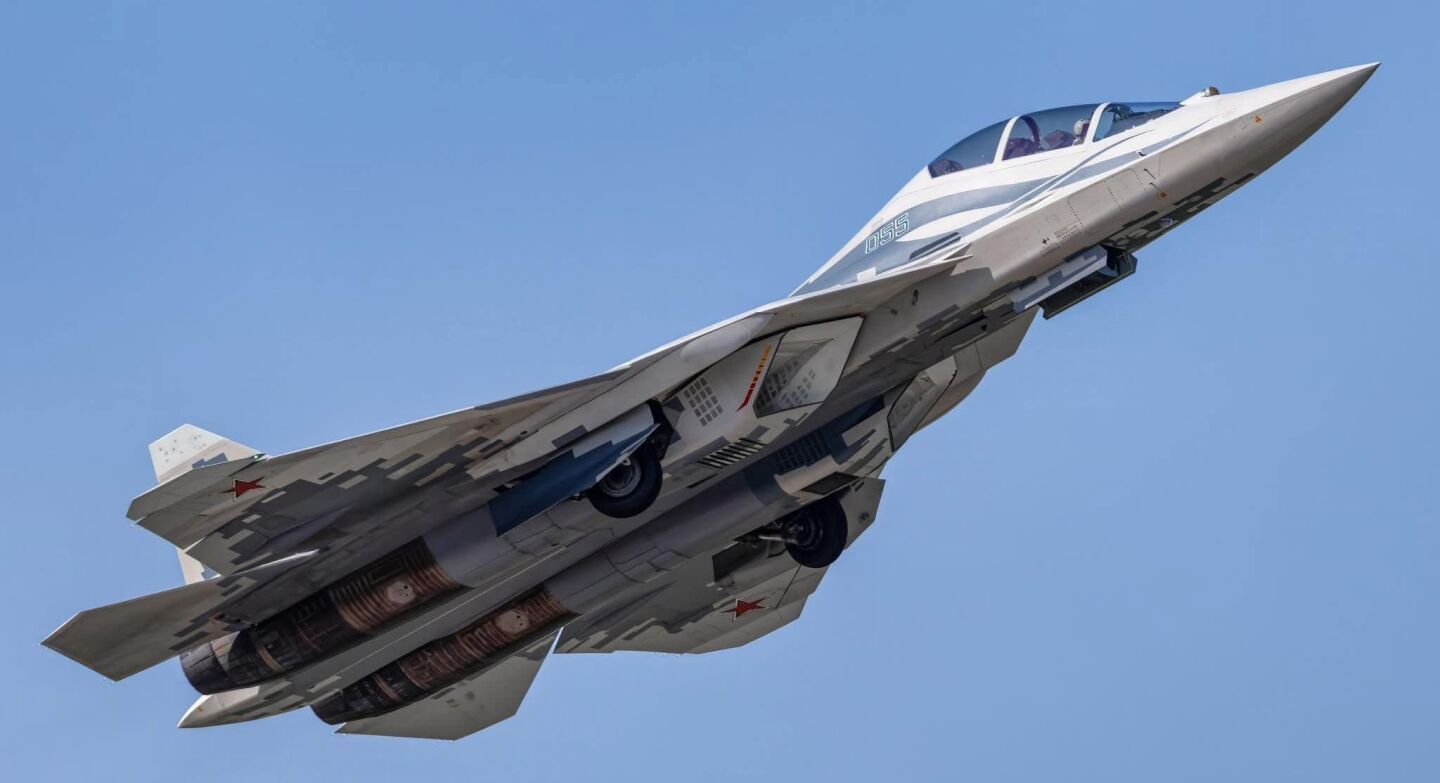
With the F-35 and Chinese fifth generation fighter types excluded for political reasons, the Russian Su-57 is considered effectively India’s only near term option to procure fifth generation fighters. In late January it was confirmed that Russian-Indian talks regarding a license production deal for the Su-57 had reached advanced technical stages, leading multiple Indian sources to comment on the significant possibility of the aircraft equipping frontline squadrons, and being heavily customised to meet local requirements. The Russian Defence Ministry was June 2025 reported to have made an unprecedented offer to provide full access to the fighter’s source code. A reported leading demand from the Indian Defence Ministry has been for the development of a twin seat variant of the Su-57, with the development of the Su-57D variant, which recently made its first flight on May 19, allowing Russia to meet this requirement.
