
U.S. F-22 Fighters Have Been Nearly Useless Against Iran: Old Stealth Jets Withdrawn From the Middle East
Military Watch Magazine Editorial Staff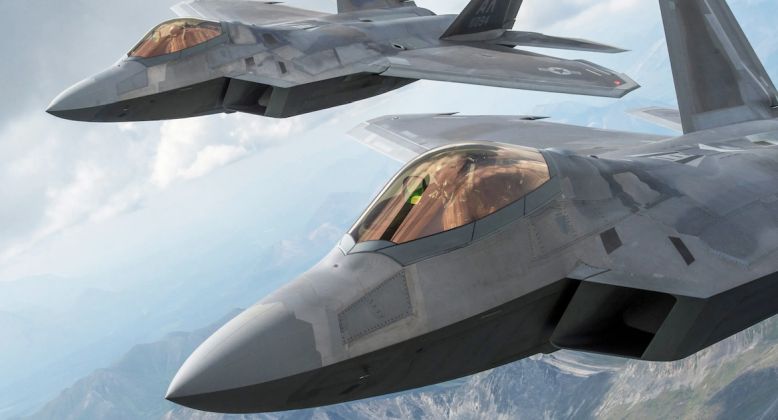
U.S. Air Force F-22 Fighters
USAF
The U.S. Air Force has withdrawn F-22 fifth generation fighters from Ovda Air Base in southern Israel, ending the first ever operational deployment of the aircraft to Israeli territory. The fighters were confirmed on July 10 to have arrived at RAF Lakenheath in the United Kingdom, and are expected to transit from there to the U.S. mainland. The deployment of F-22s to Israel in February was part of a broader military buildup against Iran, which also included F-16s, F-35s, aerial refuelling tankers, airborne early warning aircraft, intelligence platforms, and additional naval forces, among other assets, preceding the initiation of a full scale U.S.-led assault on the country. The withdrawal of the fighters follows a resumption of high intensity hostilities on July 7, after another brief ceasefire.
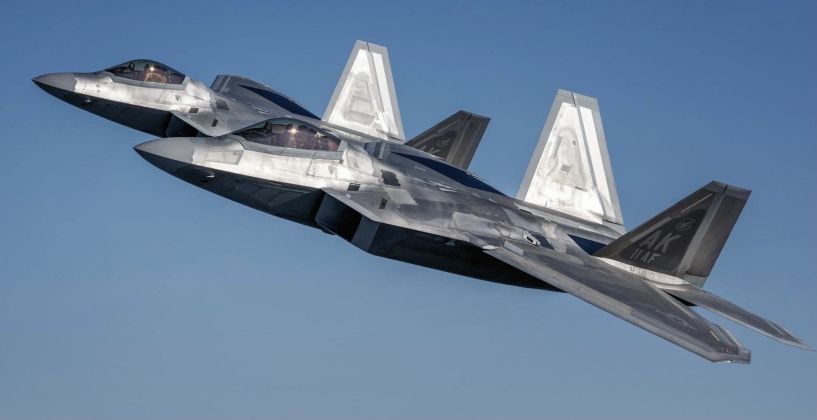
Western sources have widely asserted that although the F-22s were not confirmed to have flown any combat sorties, they provided a powerful deterrent and gave U.S. planners significant operational flexibility throughout the crisis. Despite decades of extensive public relations efforts intended to present the F-22 as the world’s premier fighter, their utility has nevertheless been very seriously questioned - to the extent that the purpose of their deployment to Israel was in large part seen to be to raise morale. While the fighter’s extreme operational costs and maintenance needs make it poorly suited for operations against poorly defended targets such as Taliban forces in Afghanistan, its viability against more capable militaries, including not only China and North Korea, but even Iran, remains very limited.
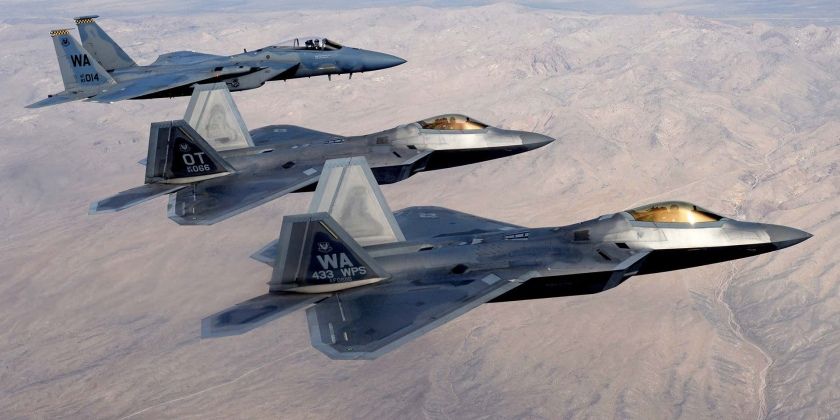
The F-22 is in many respects the least versatile 21st century fighter in service anywhere in the world, and lacks the advanced data sharing and electronic warfare capabilities of the F-35, F-15EX, and other modern fighter types, while being restricted to a shorter range despite its large size due to its far greater fuel consumption. The aircraft lacks any access to air-to-ground or anti-ship missiles, meaning it can only engage targets at range using AIM-120 air-to-air missiles. The importance of this capability against Iran remains limited, since the Iranian Air Force fields no post-Cold War fighter types, and primarily relies on Vietnam War era F-4D/E and F-5E fighters that are easily outmatched by more versatile, more advanced, lower cost and lower maintenance F-35s and F-15s.
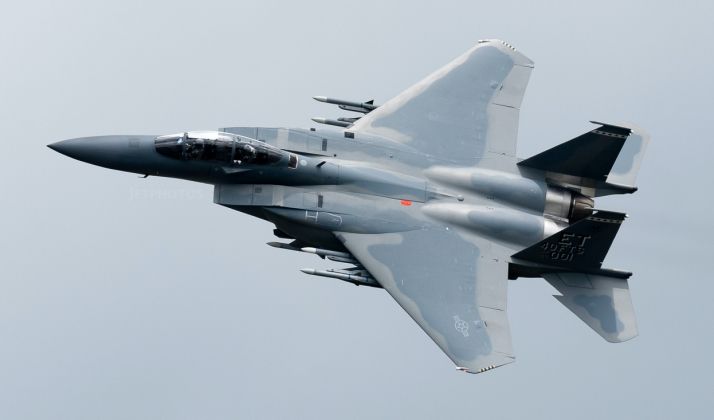
Should F-22s have been used to launch penetration bombing attacks using gravity bombs, they would benefit from higher survivability than F-15s, but would be restricted by much shorter ranges, more limited situational awareness, and lower weapons payloads. The demonstrated vulnerability of even more modern and survivable F-35s during penetration strikes, and the F-22’s lack of comparable advanced stealth, early warning, or electronic warfare capabilities, would make the drawbacks of using the F-22 appear to outweigh the benefits. Further limiting the F-22’s utility, its outstandingly high maintenance needs mean that the aircraft will not be able to generate sorties anywhere near as fast as the F-35, and moreso the F-15.
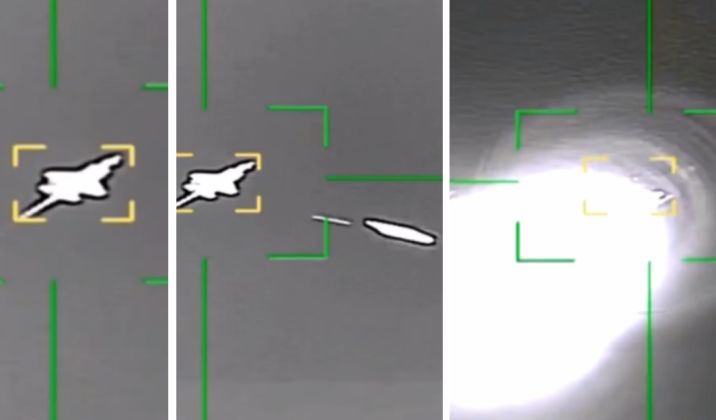
The F-22 has in over 20 years in service never played a significant role in a conflict, with the aircraft’s wide ranging shortcomings having been a primary reason why production was cut from 750 to just 187 fighters, and why the Air Force has for years been seeking to retire them early. Although the fighter has advantages over the F-35 in terms of manoeuvrability, and over the F-15 in terms of stealth capabilities, it is overall much more constrained in its capabilities despite its far higher costs. While a U.S.-Iranian war has for years been pointed to by supporters of the F-22 program as the conflict where the aircraft would finally demonstrate why it was worth the immense costs of development, the aircraft’s lack of contributions to the war effort almost five months after it began is a further major indication of its limitations.
