U.S. Deploys F-22 Stealth Fighters to Forward Base Next to China: Are They At All Useful?
Military Watch Magazine Editorial Staff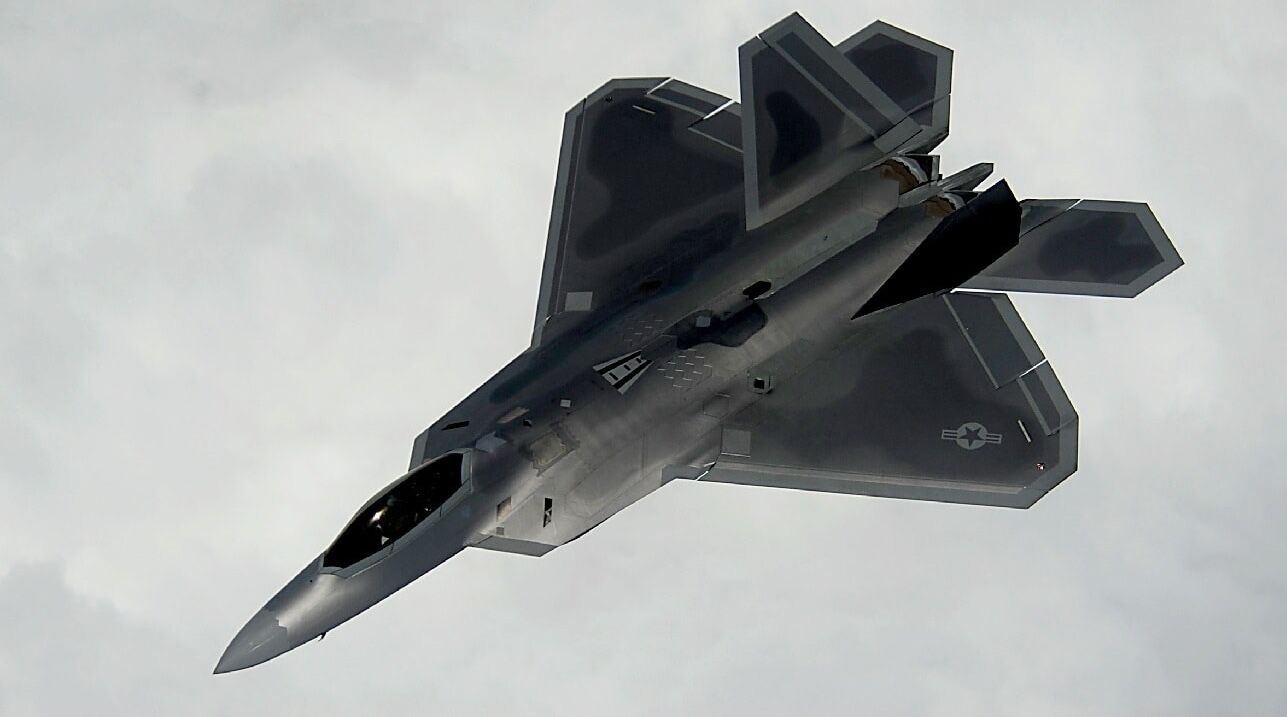
U.S. Air Force F-22 Fighter
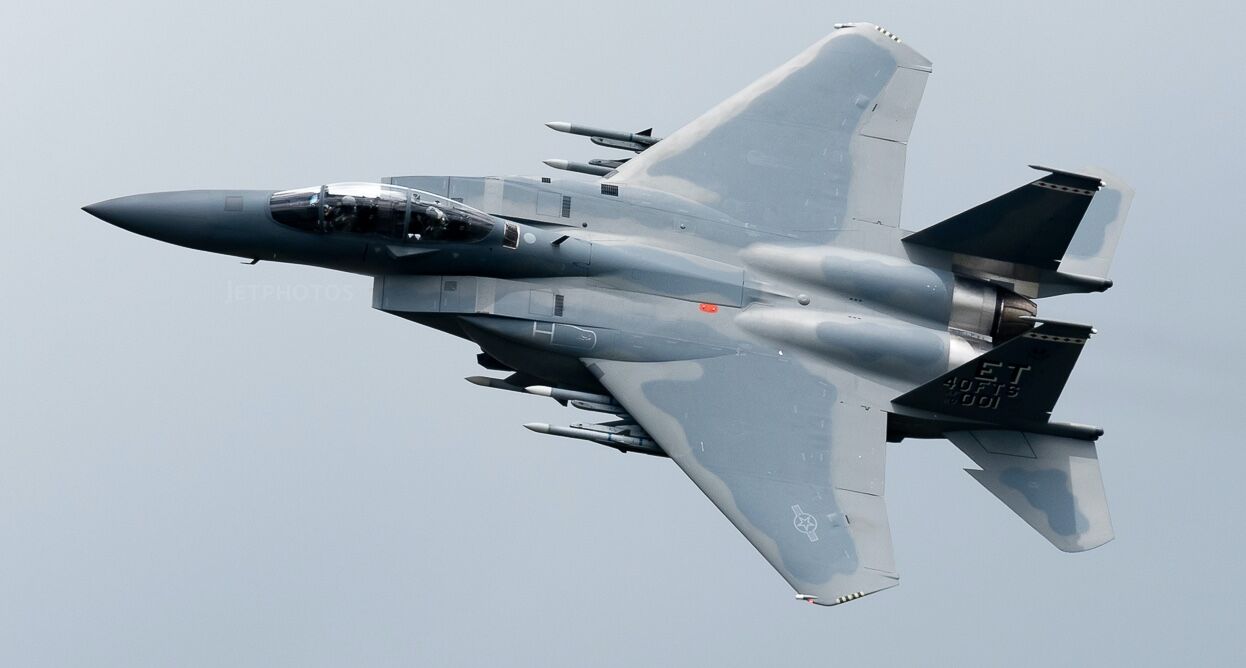
The U.S. Air Force has deployed additional fighter squadrons to Kadena Air Base in Okinawa, Japan, including F-22 Raptor fifth generation fighters from Alaska and older F-15C Eagle fighters from Louisiana. Kadena began withdrawing its 48 permanently assigned F-15C/D fighters in November 2022, ending more than four decades of continuous Eagle operations at the base. The last locally assigned F-15C departed in January 2025, with the Air Force subsequently relying on rotating units operating F-22s, F-35As, F-15E Strike Eagles and F-16s. Under the current plan, 36 F-15EX Eagle II fighters will eventually be permanently stationed at Kadena, replacing the former fleet with a modernised version of the F-15 designed to provide air-superiority and multirole capabilities.
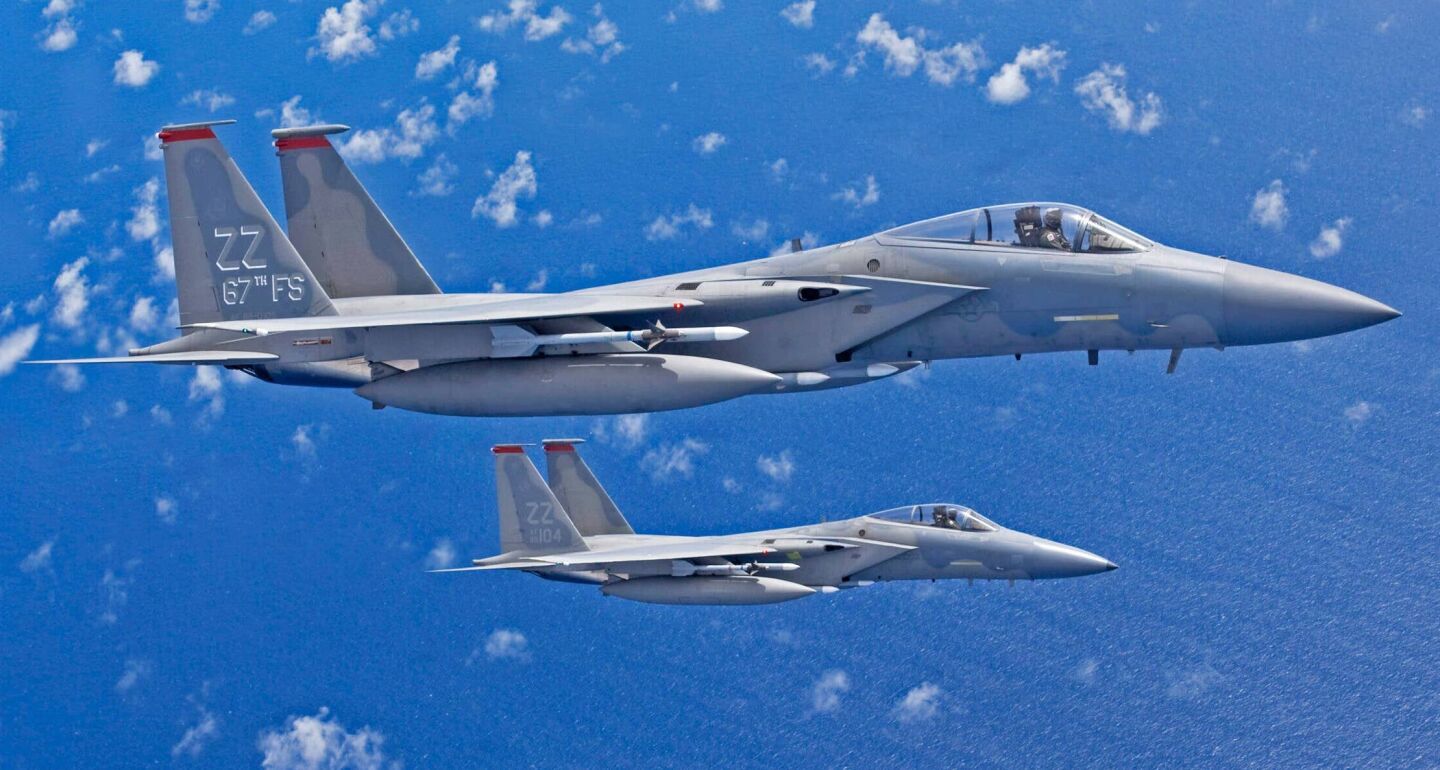
Located on Okinawa, Kadena is one of the United States’ most important air bases in the western Pacific and lies approximately 700 kilometres from Taiwan, a leading potential hotspot for Sino-U.S. tensions. While the service prepares to introduce a permanent fleet of F-15EX Eagle II aircraft at the installation, this has been delayed considerably, with the first F-15EX intended for deployment at Kadena having departed from its production facility only in late August 2026. The F-15 is the oldest fighter type in production anywhere in the world, having first entered service in the U.S. Air Force in 1975. Continued heavy reliance on the type is a direct result of the failings of the F-22 program to provide a viable fifth generation successor to the design, much as the F-15 itself succeeded the F-4D/E Phantom.
The viability of the F-22 for high intensity combat has repeatedly been brought to question, with the type suffering from by far the poorest availability rates in the Air Force, while its stealth technologies and avionics are increasingly out of date. These questions deepened after the fighters made no visible contribution to the United States’ most high intensity conflict in over 35 years, with F-22s deployed to Ovda Air Base in southern Israel on their first ever operational deployment to Israeli territory in February, before being withdrawn in July. Despite U.S. forces in the region having been under considerable strain, the F-22s are reported to have flown no combat sorties, leaving the F-15, F-16 and F-35 fleets to perform all Air Force fighter operations.

While Kadena was previously expected to be a major operating location for U.S. airpower during a conflict involving China and Taiwan, its significance has more recently repeatedly been brought to question. The facility’s close proximity to the Chinese mainland has left it highly vulnerable to saturation attacks by loitering munitions and both cruise and ballistic missiles, to an even greater extent that more remote facilitates such as those on Guam. While the F-15EX is by far the most capable ‘4+ generation’ fighter type in the Western world, and is in most respects more capable than the F-22, its viability against China’s predominantly fifth generation frontline fleet, and moreso its sixth generation fighters which are expected to enter service in the early 2030s, remains in serious question.