
U.S. Army Upgrading Abrams Tanks With New Defensive Drone System
Military Watch Magazine Editorial Staff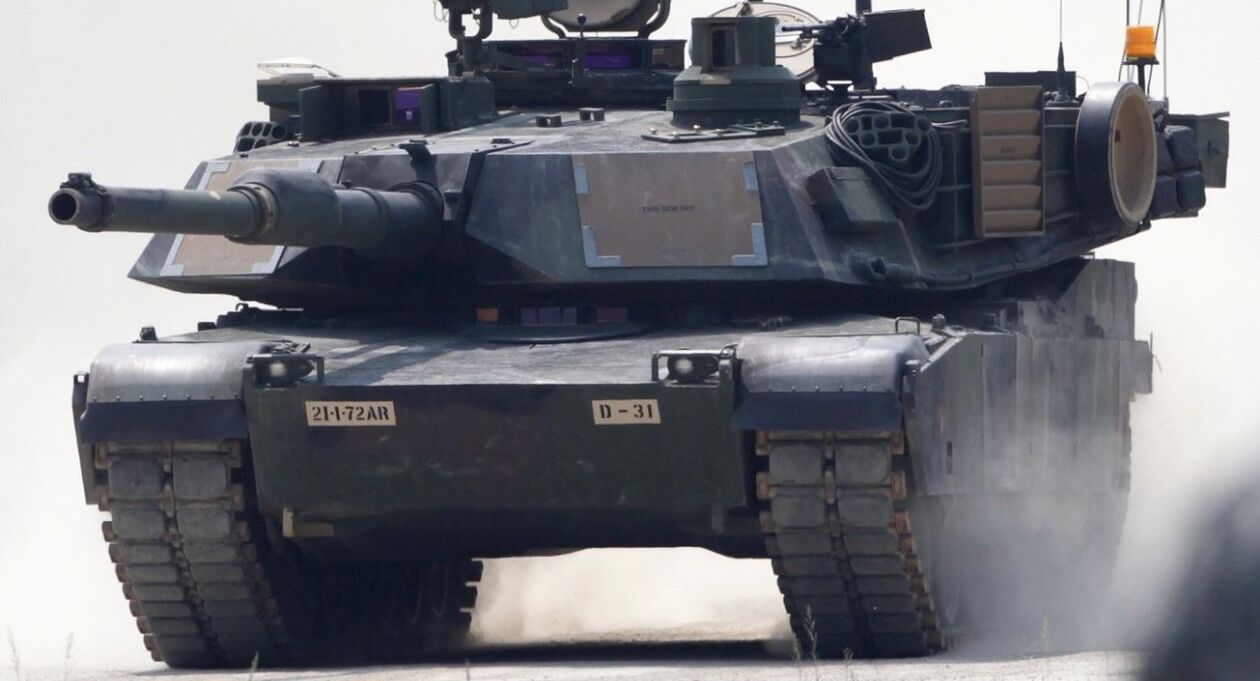
U.S. Army M1 Abrams Tank
The U.S. Army has awarded Safe Pro Group a $2.5 million contract to integrate its Ground Truth Air threat-detection software with Anduril’s Ghost-X reconnaissance drone, under a program intended to protect M1A2 Abrams formations by spotting and mapping explosive hazards before tanks move into an area. The software is designed to analyse drone imagery onboard the aircraft and identify the locations of potential threats, including mines, unexploded ordnance and ambush drones. The firm says the system can recognise more than 150 types of explosive threat and share detected locations through military applications such as ATAK and Anduril’s Lattice.
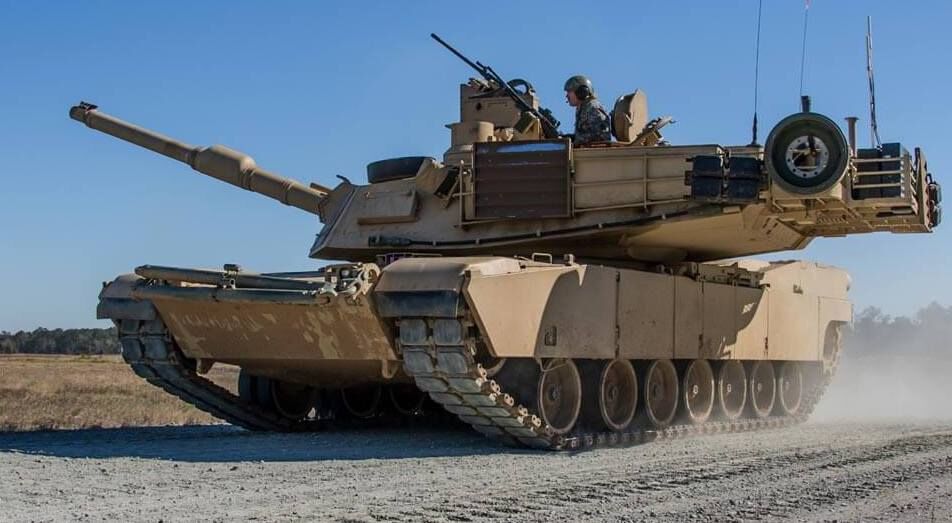
The new program has been pursued as part of a broader trend under which pairing tanks with drones has become a key force multiplier for the former’s combat capabilities. The proposed system would add an aerial reconnaissance layer ahead of moving armour. If it identifies a suspected mine or drone position, commanders could investigate further, adjust a route or request engineer support before exposing vehicles and crews. The value lies in giving units earlier information about hazards beyond the tank crew’s immediate view. Detection alone does not clear a minefield or stop an incoming drone, however, and a flagged location would still need assessment, and the Army has not disclosed independent results for detection accuracy, false alarms or performance in operational conditions.
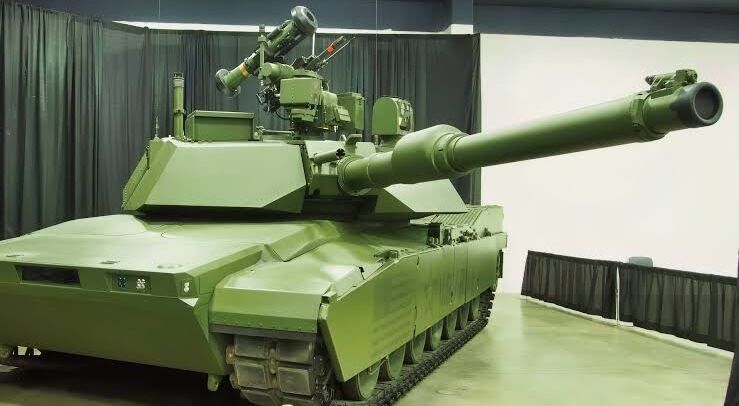
The project reflects a wider effort to adapt armoured units to battlefields where mines and small drones can threaten vehicles before they reach the front line. It is being pursued as significant questions have been raised regarding the viability of the Abrams in modern warfare, with the obsolescence of conventional Western tank designs seen in the Ukrainian theatre having been a primary factor prompting the radical redesign of the tank under the M1E3 program. By early June 2025 the Ukrainian Army was assessed to have lost 87 percent of the its Abrams tanks, with 27 of the 31 delivered having been destroyed or captured. It is likely that the M1E3 will build on experience integrating the older M1A2 variant of the Abrams with the Ghost-X, and that the next generation variant will be designed from the outset around the requirement for high levels of integration with unmanned aircraft.
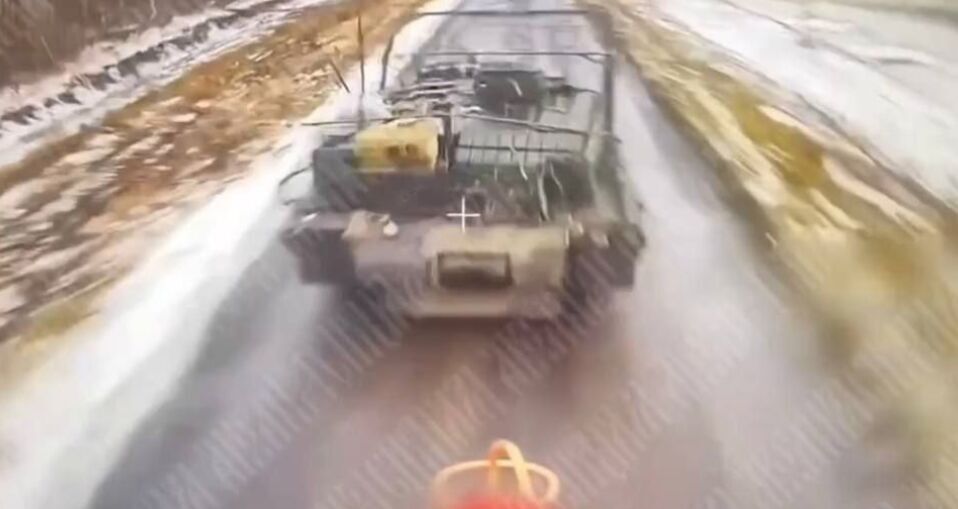
Questions regarding the Abrams’ viability were further raised in October, when Ukrainian drone operators caused approximately 70 percent of the simulated casualties suffered by a U.S. Army armoured brigade during the first three days of a major military exercise in Germany. This exposed vulnerabilities in American forces’ ability to operate under persistent aerial surveillance and drone attack. During the approximately 10-day exercise, the opposing force initiated contact with drones more than 750 times, using unmanned aircraft both to attack troops directly and to identify targets for simulated artillery strikes. It is expected that changes in doctrine and the service entry of the M1E3 will place U.S. Army units in a significantly stronger position to tackle emerging threats. China is currently widely assessed to have taken the lead in integrating drones with its frontline armour, and in 2025 introduced the world’s first fourth generation tank into service, the Type 100, which is particularly well optimised for pairing with unmanned aviation.
