
The West’s Most Revolutionary New Tank in Over 50 Years Heads to Elite U.S. Army Unit
Military Watch Magazine Editorial Staff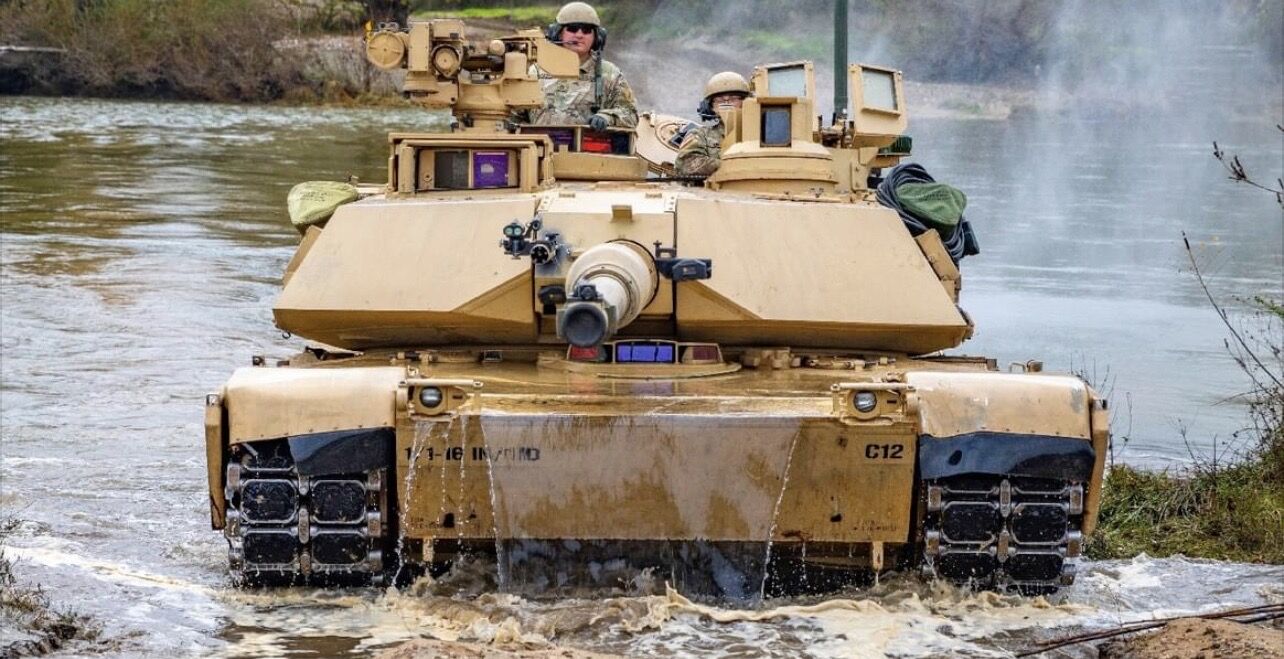
U.S. Army M1A2 Abrams Tank
The U.S. Army has confirmed it will delivery its M1E3 Abrams next generation main battle tank prototype to the 1st Cavalry Division for testing. Commenting on the delivery, Deputy Capability Program Executive for Ground Combat Platforms Michelle Link observed: “The M1E3 Abrams represents a bold step forward in modern vehicle design, combining advanced protection, reduced weight, and a smaller logistical footprint to meet the challenges of tomorrow’s battlefield.” The Army first showed the M1E3 publicly on January 14, following on from the early AbramsX concept demonstrator, with the vehicle representing by far the most significant revision to the design since it first entered service in 1980.
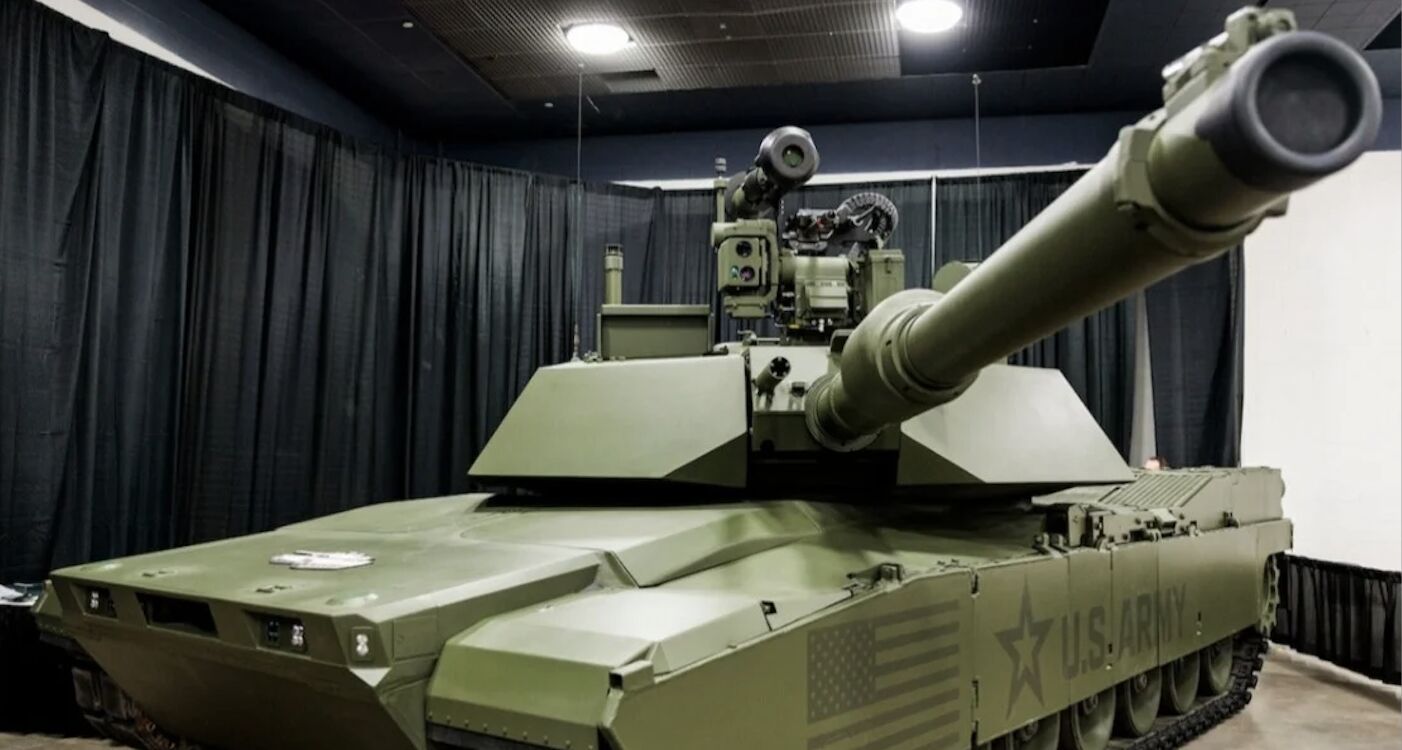
The M1E3 program has provided an alternative to development of a clean sheet next generation main battle tank, at a time when the ageing design is increasingly considered obsolete for high intensity combat. Adapting older designs to adopt next generation design features is not unprecedented, with the Soviet Union having planned to do the same for the T-80 under the Black Eagle program, which similarly integrated an unmanned turret and was intended to serve alongside a clean sheet next generation tank type. Current variants of the Abrams are considered increasingly outmatched by advanced tank designs fielded abroad, most notably the Chinese Type 100 which was in 2025 confirmed to be the world’s first fourth generation tank design in service.
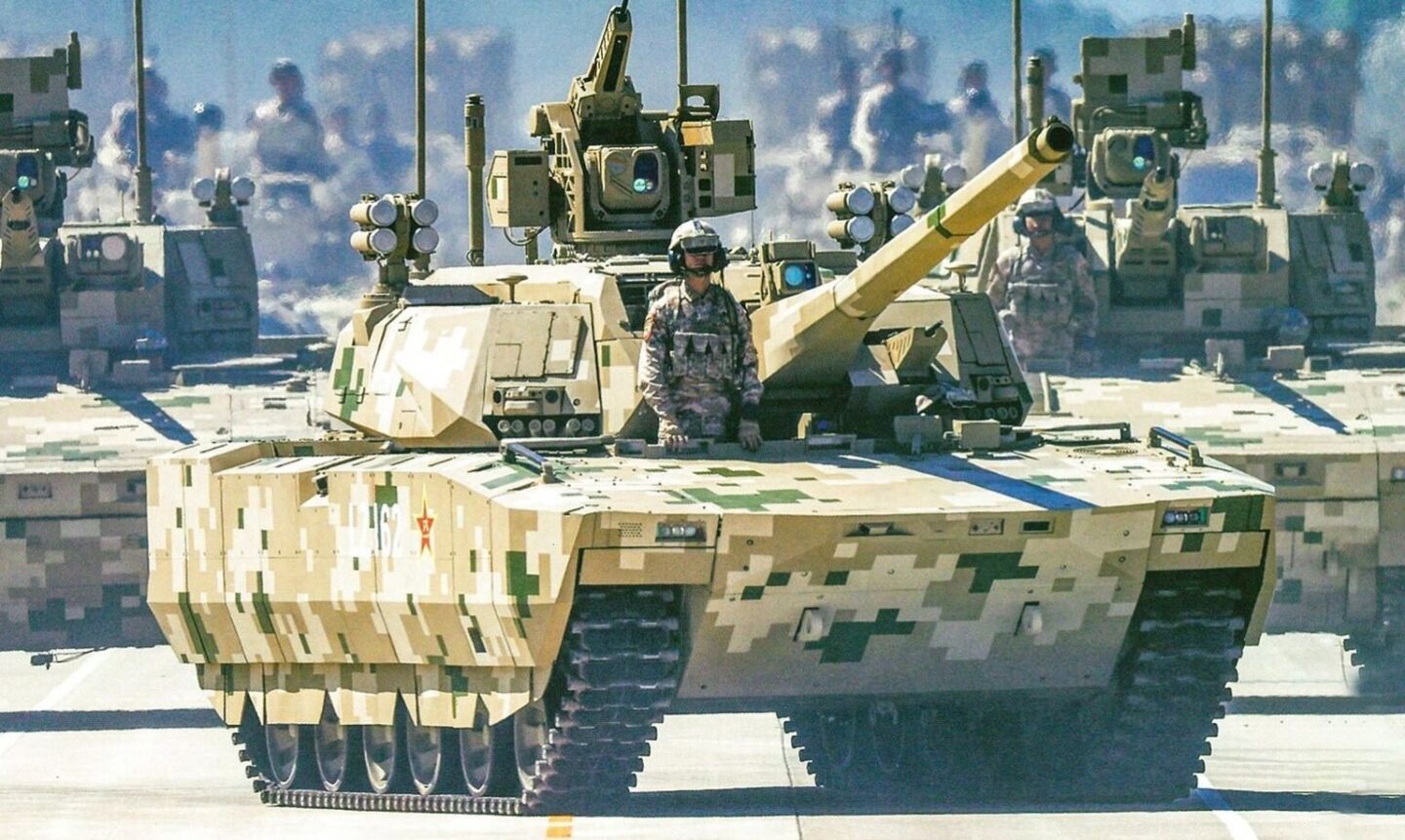
The obsolescence of conventional Western tank designs seen in the Ukrainian theatre was a primary factor prompting the radical redesign of the Abrams tank under the M1E3 program, with the need to bridge capability gaps with Chinese armour being a significant secondary factor. The new vehicle has prioritised many of the same capabilities as the Type 100, including a significantly reduced weight, and a focus on networked operations, mobility, range and crew protection. The extent to which the Abrams, a 1970s design, nevertheless remains limited in its modernisation potential compared to the development of a clean sheet new tank like the Type 100.
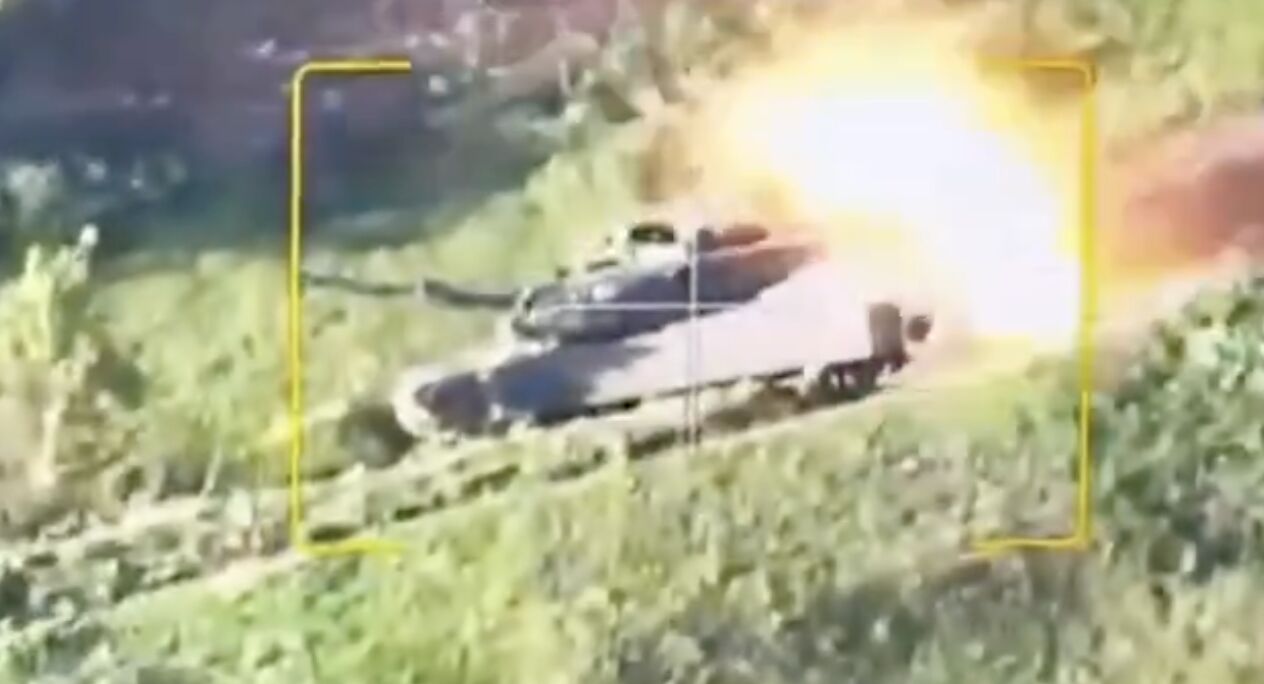
By early June 2025 the Ukrainian Army was assessed to have lost 87 percent of the its Abrams tanks, with 27 of the 31 delivered having been destroyed or captured, despite prior Western expectations that the vehicles could represent a game changer in the theatre. While the M1E3 has significantly less armour than prior variants, it compensates by integrating more advanced active protection systems and by being far more mobile. The shift towards using a hybrid powerplant also follows similar steps taken by the Type 100, and is expected to provide 40 percent greater fuel efficiency. U.S. military officials have consistently highlighted the urgency of the M1E3 program, with the U.S. Army's Chief Technology Officer Dr. Alex Miller having observed in 2025 that the service required “a tank by the end of the year, and we need a platoon by the end of next year.”
