Elite U.S. Army Armoured Brigade Takes Heavy Losses in Simulated Combat with Ukrainian Drone Operators
Military Watch Magazine Editorial Staff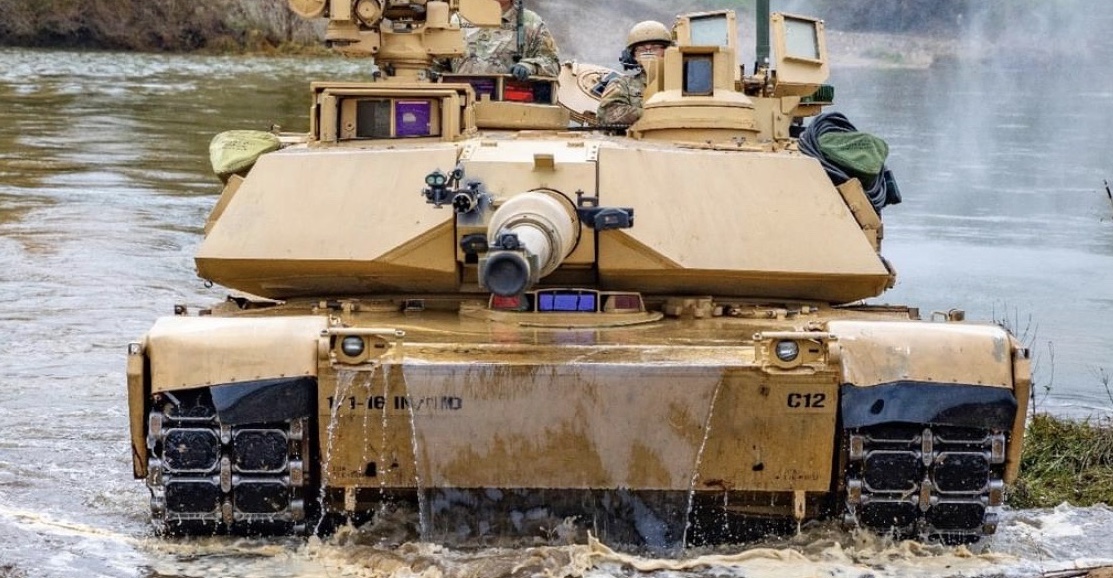
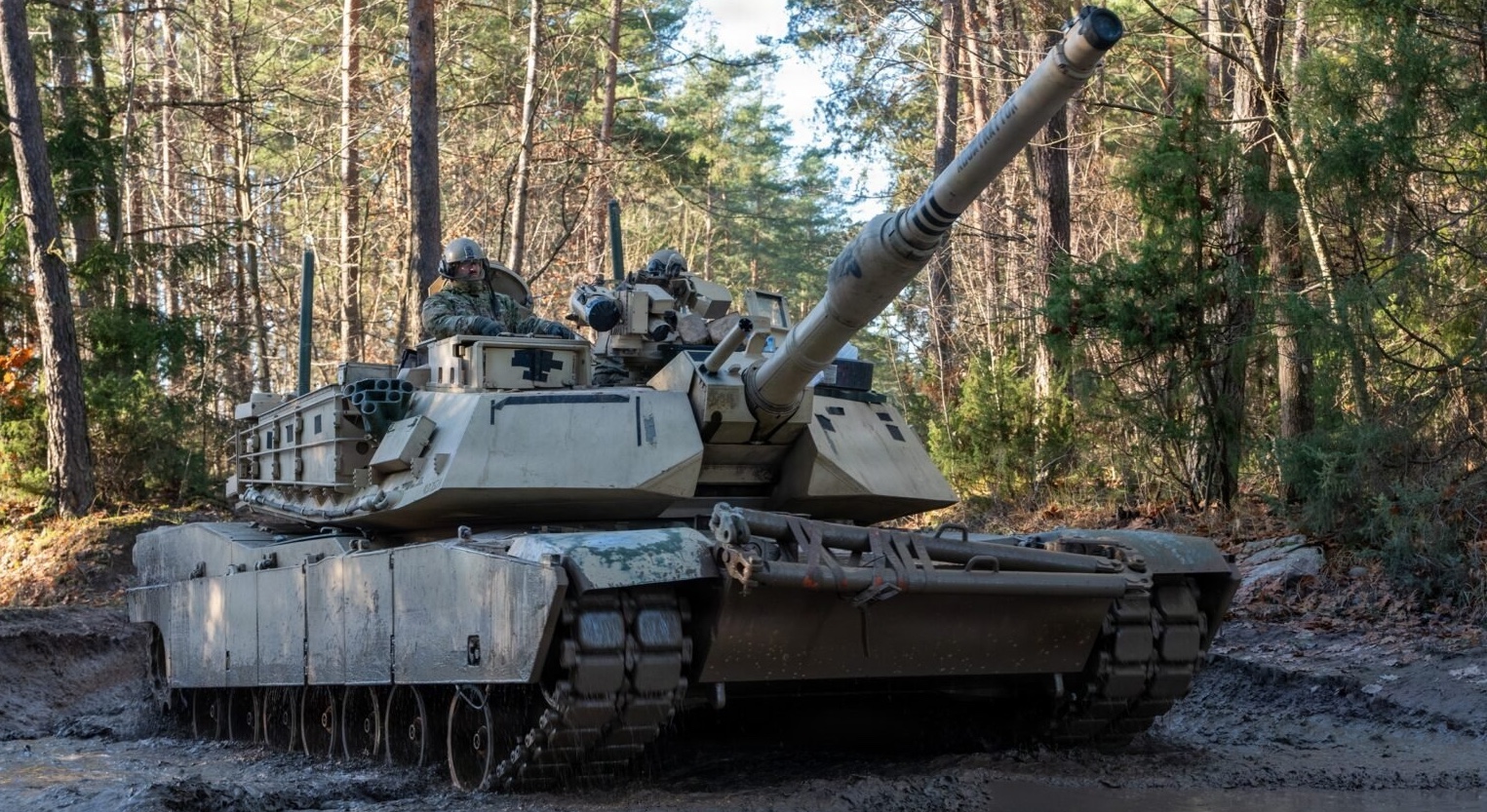
U.S. Army M1A2 Abrams Tank
Ukrainian drone operators caused approximately 70 percent of the simulated casualties suffered by a U.S. Army armoured brigade during the first three days of a major military exercise in Germany, exposing vulnerabilities in American forces’ ability to operate under persistent aerial surveillance and drone attack. The results came during Exercise Combined Resolve 26-07 at the Hohenfels Training Area in Bavaria in spring 2026, where the elite 3rd Armoured Brigade Combat Team of the 1st Cavalry Division, known as Greywolf, faced an opposing force reinforced by personnel from Ukraine’s 412th Regiment of the Unmanned Systems Forces, known as Nemesis. The findings were detailed in an article for the U.S. Army’s professional journal Military Review by brigade commander Colonel Michael Ziegelhofer and six other officers.
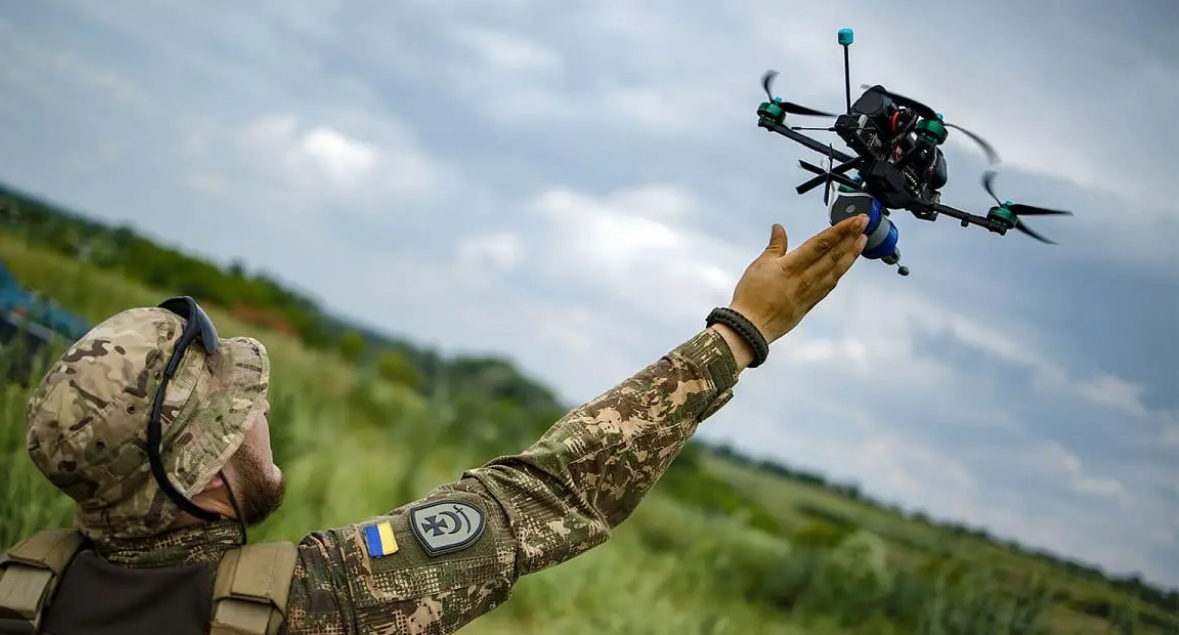
During the approximately 10-day exercise, the opposing force initiated contact with drones more than 750 times, using unmanned aircraft both to attack troops directly and to identify targets for simulated artillery strikes. The drone operators’ effectiveness forced Greywolf to adapt its tactics rapidly, with the share of casualties attributed to drones falling from approximately 70 percent during the first three days to below 30 percent by the end of the third day. The brigade’s officers stressed that the opposing force had not reduced the intensity of its drone operations, indicating that the improvement resulted primarily from changes in how American troops operated.
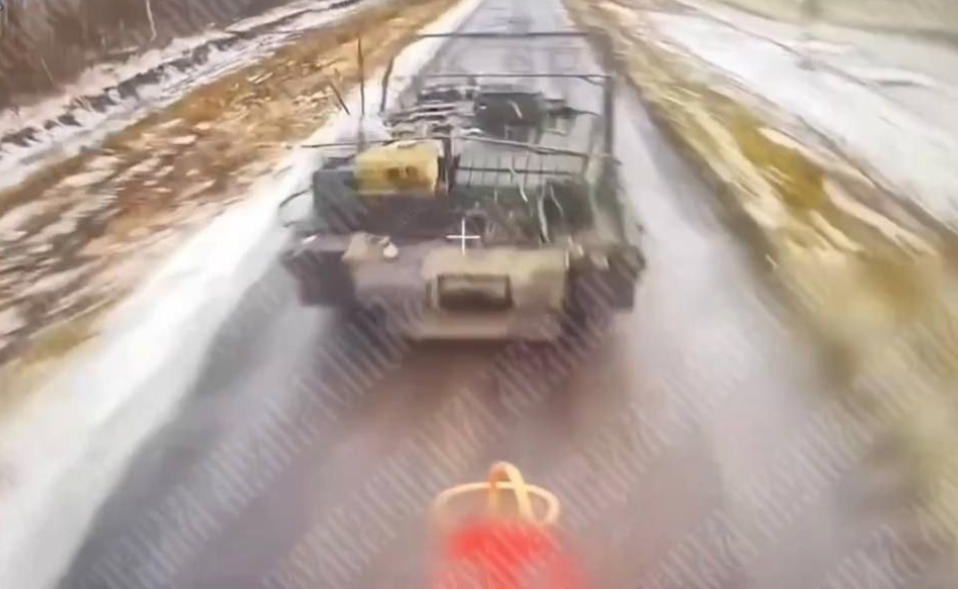
Electronic warfare and counter-drone systems initially provided some protection, creating jamming zones approximately 2 kilometres across in which enemy drones’ control signals could be disrupted. However, the systems generally had to operate from fixed positions and advance in stages alongside manoeuvring forces, leaving troops vulnerable while moving between protected areas. They were also less effective against fibre-optic drones, which receive control signals through physical cables rather than radio links and are therefore resistant to conventional radio-frequency jamming. The brigade consequently relied more heavily on conventional fieldcraft, including camouflage, concealment, dispersion and the use of less predictable routes. Troops also had to respond more quickly when drones were detected, reducing the time available for opposing forces to direct artillery fire onto identified positions. The officers estimated that fieldcraft and well-practised battle drills accounted for approximately 60 percent of effective counter-drone defence at brigade level, arguing that technological systems alone could not provide adequate protection against persistent aerial observation.
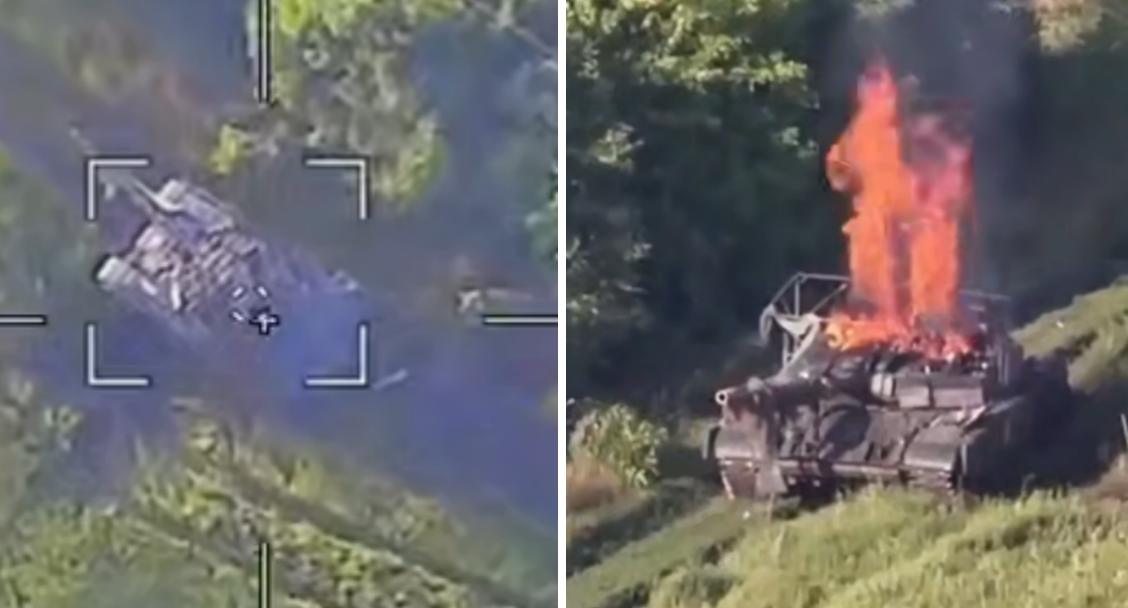
Reducing the brigade’s electronic signature became another important element of its adaptation. Units limited radio transmissions and switched off systems such as Blue Force Tracker, while some crews also discontinued the use of Starshield satellite communications to reduce the electronic emissions that could reveal their positions. These measures complicated coordination and contributed to logistical difficulties, with resupplying the brigade taking approximately twice as long as planned as opposing forces actively targeted its supply routes. The experience demonstrated the operational trade-offs involved in reducing detectability on a battlefield where communications and navigation systems can themselves expose troop movements. The exercise also tested the ability of American forces to integrate large numbers of their own drones into offensive operations, with Greywolf having employed more than 700 unmanned aircraft during the offensive phase. The 3rd Battalion of the 504th Parachute Infantry Regiment was at the time serving as an experimental drone battalion. The volume of information generated by the drones initially overwhelmed the brigade’s command-and-control arrangements, however, with planning tools designed to manage a relatively small number of surveillance assets having struggled to process the flood of reports.
The lessons from Hohenfels have implications for the organisation of future armoured brigades. The officers recommended creating specialised strike formations incorporating long-range reconnaissance drones, medium and heavy bomber drones, and strike aircraft supported by relay systems, alongside smaller drone elements at battalion level. They also called for a common operational picture integrating information from every drone in the brigade, citing Ukraine’s Delta battlefield management system as a potential model, and for counter-drone defences capable of protecting manoeuvring forces rather than relying primarily on stationary jamming systems. The exercises highlighted that Ukrainian and Russian forces have gained experience countering conventional ground forces in ways that other militaries have struggled to keep up with, which has made opportunities to train against then invaluable for their strategic partners.