U.S. Air Force Surges Funding for Problematic KC-46 Aerial Tankers as Refuelling Capacity Crisis Worsens
Military Watch Magazine Editorial Staff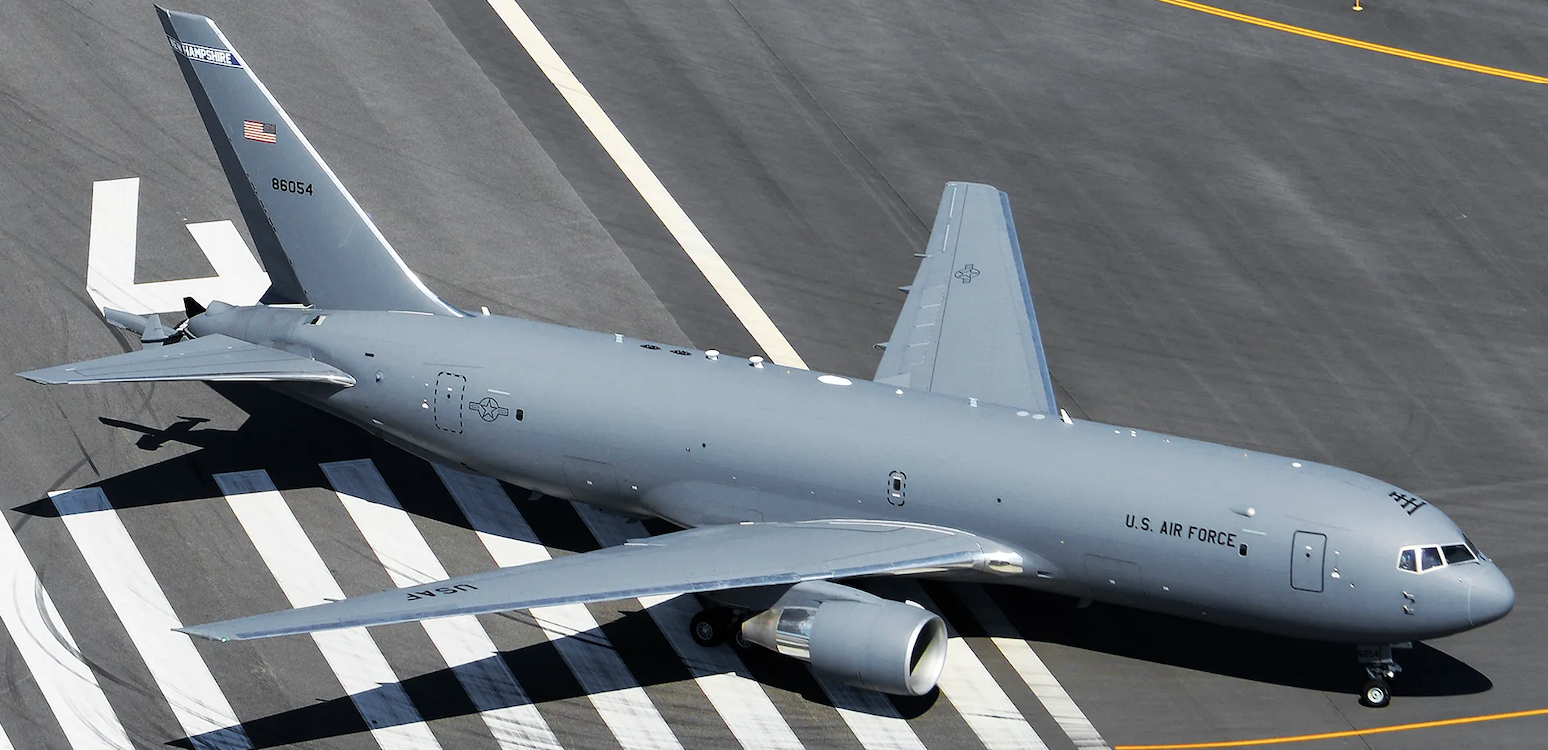
KC-46 Tanker
The U.S. Air Force has awarded Boeing a $2.82 billion contract modification for 15 additional KC-46A Pegasus aerial refuelling aircraft. The order is the program’s 13th production lot, with completion expected by the end of June 2030, completing the Air Force’s original plan to procure 184 KC-46s. The service has since announced its intention to buy 75 more, which would bring its planned fleet to more than 260 aircraft and keep the production line running into the mid-2030s. The scale of procurements has raised considerable controversy, as ongoing issues and development delays have prevented the KC-46A from completing operational testing, representing a years long concurrency problem for the Air Force.
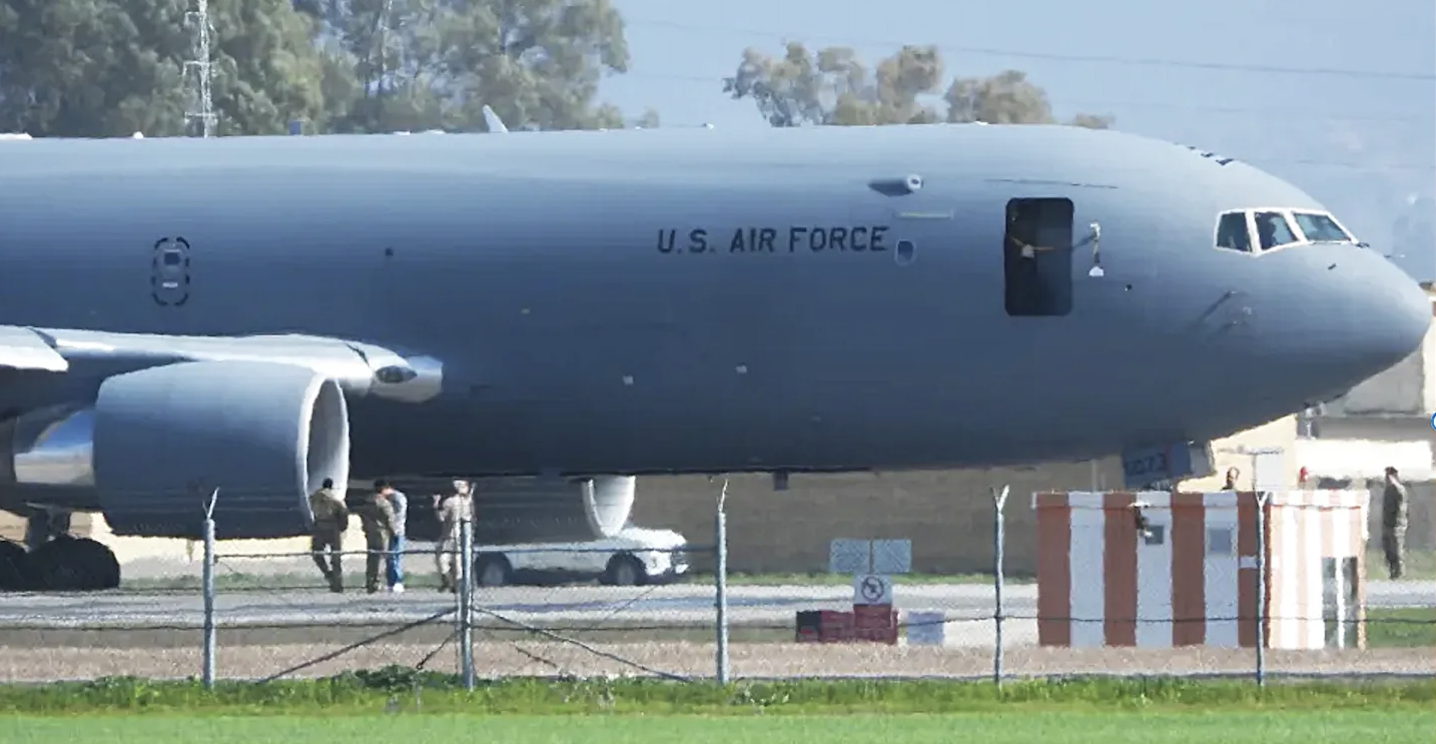
Pentagon and Air Force reporting has confirmed that the KC-46’s Initial Operational Test & Evaluation is still incomplete, despite testing being ongoing since 2019, with the Pentagon test report having summarised that the aircraft “has not been able to meet several suitability metrics.” Mission-capable rates remain below required thresholds. These issues have forced Boeing to absorb billions of dollars in losses. With the Air Force being outstandingly heavily reliant on tanker support to operate, issues with the KC-46 have significantly undermined the service’s ability to wage war, stretching the fleet of Cold War era KC-135 tankers and forcing them to operate for decades longer than initially expected.
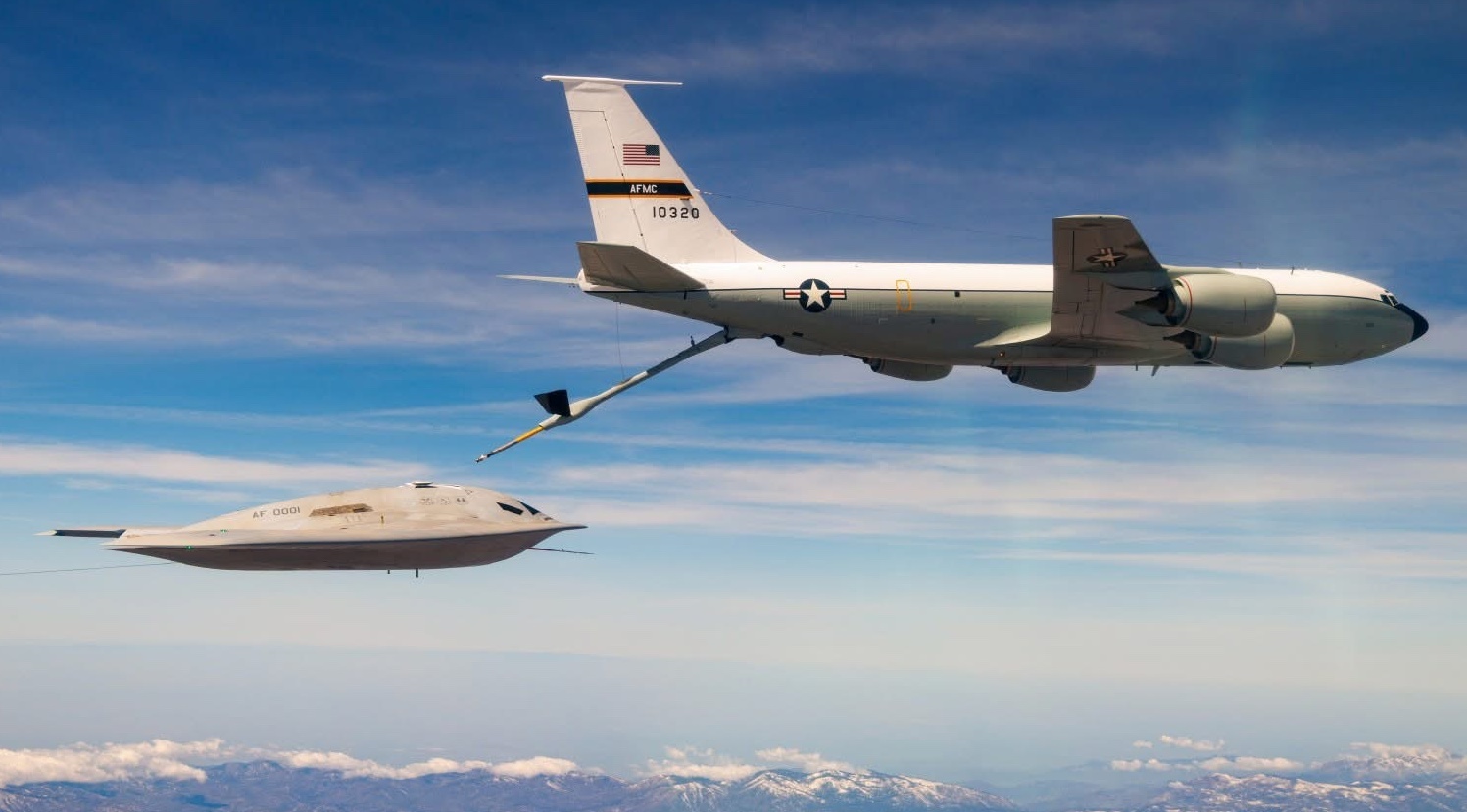
The KC-135 first entered service in 1957, with the Air Force having had 373 of the aircraft in its inventory as of early March 2026, of which several have been lost to or damaged in Iranian strikes since then. The age of its KC-135 Stratotankers and continuing problems with the newer KC-46A Pegasus have resulted in growing difficulties sustaining Air Force aerial refuelling capabilities, with a September assessment by the Government Accountability Office (GAO) finding that the condition and sustainment of the tanker fleet had deteriorated significantly. The service’s transition from the KC-135 to the KC-46 was found to have failed to proceed quickly enough to prevent a growing capability gap.
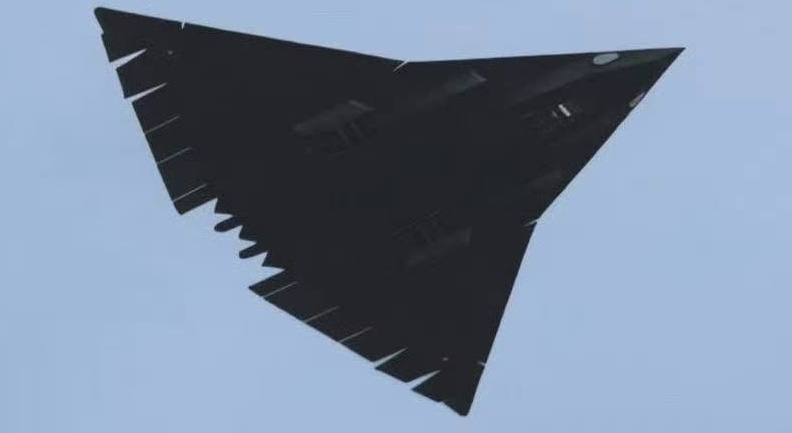
U.S. combat aviation is particularly heavily reliant on tanker support, with its fighters being significantly shorter ranged than those produced by China and Russia. China’s top fighter the J-20 and the new Russian Su-57 fifth generation fighter both have double the range of the U.S. F-35 or F-22, increasing the need for a survivable tanker to bridge the gap. Despite the scale of investment in the KC-46, significant questions have been raised regarding its survivability. China in particular fields a range of well optimised ‘tanker killer’ assets, with analysts having posited that a tanker with advanced stealth capabilities is necessary. Although the affordability of this remains in serious question, designs for advanced stealth tankers have been put forward by multiple major defence producers.