U.S. Air Force Needs 250 Blended-Wing Airborne Tankers to Prepare for War Against China
Military Watch Magazine Editorial Staff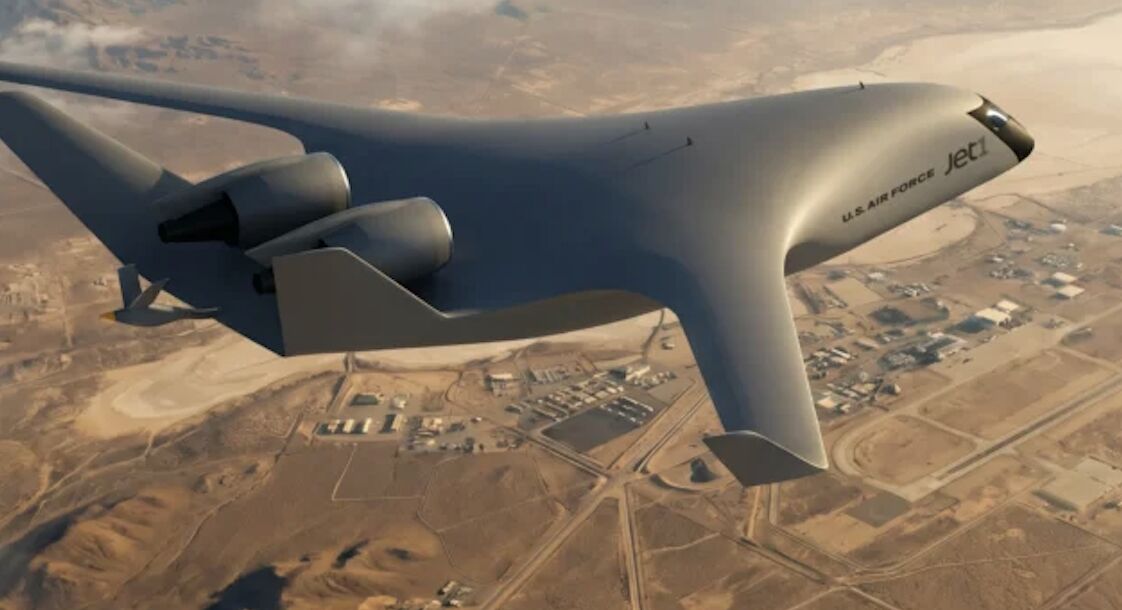
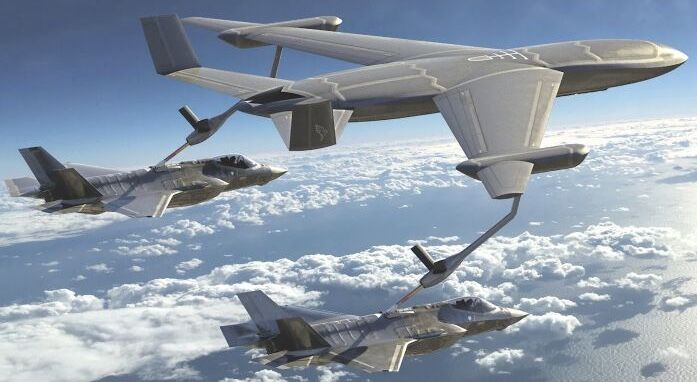
KZ-74 Blended Wing Tanker Concept
The U.S. Air Force has been urged to acquire 250 advanced blended-wing-body (BWB) aerial refuelling aircraft to improve its ability to sustain large-scale air operations in the western Pacific during a potential conflict with China. A report published by the Hudson Institute argues that existing tanker fleets would struggle to support operations across the vast distances of the Pacific, particularly if Chinese missile strikes rendered forward and intermediate airfields unusable. The proposed aircraft would combine substantially greater fuel offload capacity and range with improved aerodynamic efficiency, allowing them to refuel combat aircraft farther from their bases and closer to contested areas. The report, Resilient Reach: Redesigning Aerial Refueling for Contested Global Operations, warns that by 2035, Chinese forces could be capable of suppressing large-scale tanker operations from many of the forward and intermediate airfields on which U.S. air power traditionally depends.
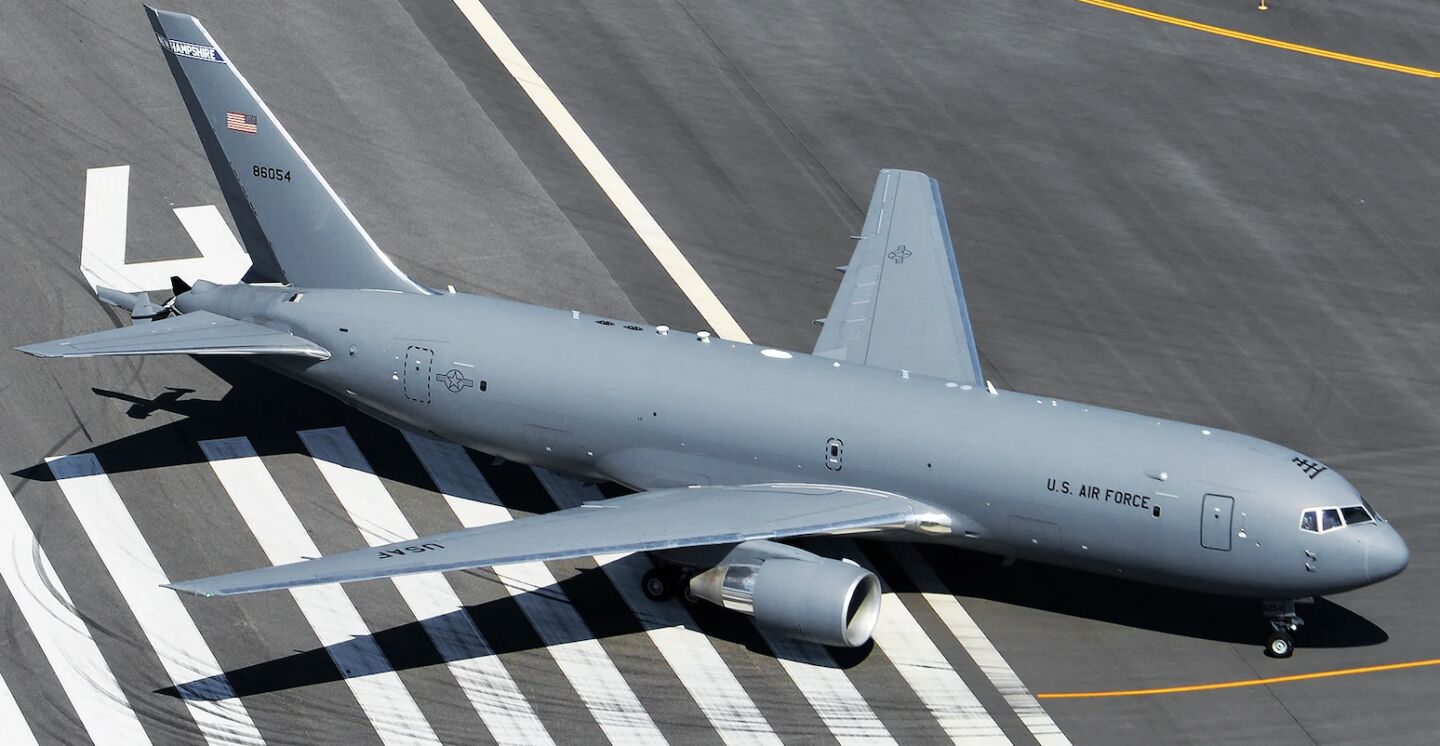
The authors of the report argue that the Boeing KC-46A Pegasus, which is gradually replacing the ageing KC-135 Stratotanker, lacks the range and fuel offload capacity required to sustain large-scale operations across the Pacific under these conditions. The KC-46A can carry approximately 212,000 pounds of fuel, while the proposed medium-sized BWB tanker would carry approximately 300,000 pounds, while its more efficient aerodynamic configuration could allow it to deliver substantially more fuel over longer distances. According to the Hudson analysis, a fleet of 250 such aircraft could refuel more than twice as many force packages as an equivalent number of KC-46As, or provide refuelling at more than twice the distance. At longer ranges and higher fuel offloads, the performance advantage could be greater still.
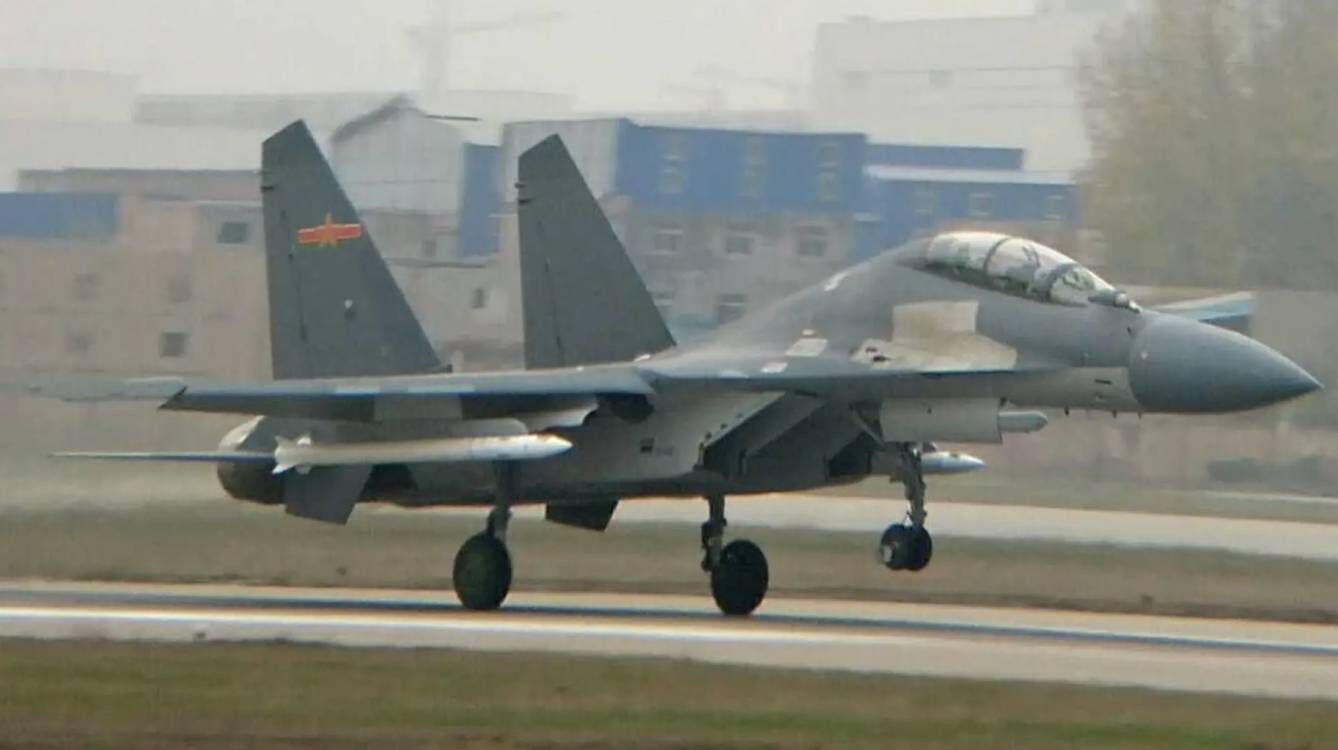
Other assessments have contended that existing tankers’ survivability against long range missile attacks is increasingly limited, with China fielding a range of well optimised ‘tanker killer’ assets. The fact that Chinese fighters on average have much longer ranges than their American counterparts, with the country’s top fighter the J-20 having over double the range of the F-35 or F-22, further exacerbates the need for a survivable tanker to bridge the gap. Analysts have thus posited that a tanker with advanced stealth capabilities is necessary, although the affordability of this remains in serious question. Designs for advanced stealth tankers have been put forward by a number of major defence producers, including Lockheed Martin.
The U.S. Air Force has faced growing difficulties sustaining its aerial refuelling fleet, with its ability to sustain global air operations increasingly constrained by the age of its KC-135 Stratotankers and continuing problems with the newer KC-46. A September assessment by the U.S. Government Accountability Office (GAO) found that the condition and sustainment of the tanker fleet had deteriorated significantly, while the service’s transition from the KC-135 to the KC-46 has failed to proceed quickly enough to prevent a growing capability gap. The development is particularly significant given the dependence of the U.S. Armed Forces on aerial refuelling to project air power over the enormous distances separating American bases from potential theatres of operations. The full mission capability of the tanker fleet — the proportion of aircraft able to perform all their assigned missions — declined substantially between 2019 and 2025. The KC-135 has been the backbone of American aerial refuelling for more than six decades, with the aircraft first entering service in 1957.