
U.S. Air Force Grants $13 Billion Contract For New Nuclear Tipped ICBM: Northrop Grumman Tasked with Development
Military Watch Magazine Editorial Staff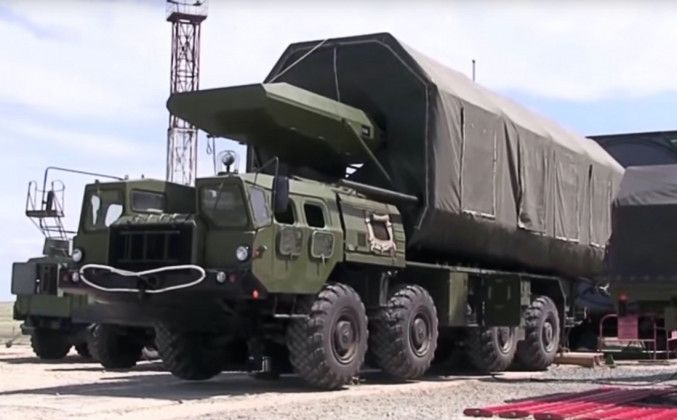
Russian Avangard Intercontinental Range Hypersonic Glide Vehicle
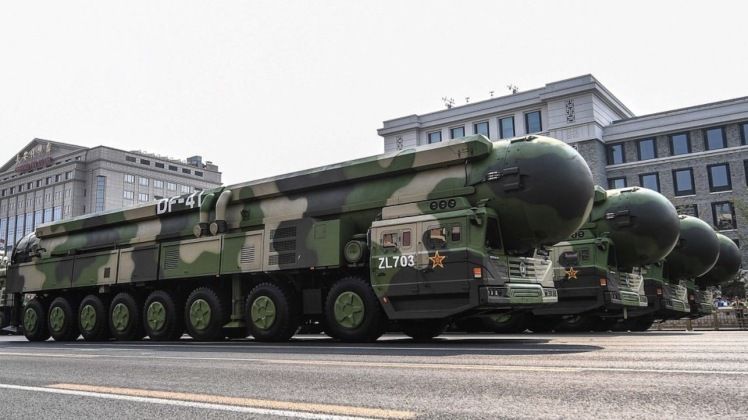
The U.S. Air Force has granted leading defense contractor Northrop Grumman a $13.3 billion contract to cover the engineering and manufacturing development costs of a new intercontinental range ballistic missile (ICBM) program. These missiles will replace the ageing Minuteman III platforms currently in service, which entered service during the Cold War but are today considered far out of date compared to the latest Russian and Chinese designs. New Chinese and Russian intercontinental range missiles such as the Dongfeng 41 and Sarmat, which entered service in the second half of the 2010s, have demonstrated capabilities decades in advance of the Minuteman. Investment in a new class of ICBM comes amid high tensions with major potential adversaries including North Korea, Russia and China - all of which have much newer and more diverse arsenals of ground based intercontinental range systems. The Minuteman III arsenal is expected to be almost 60 years old by the time the last of them leave service.
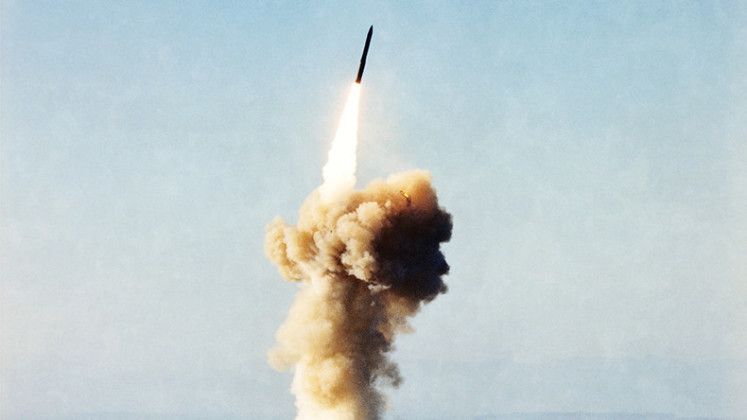
According to the Air Force Nuclear Weapons Center, the contract for developing new ICBM “will span 8.5 years and include weapon system design, qualification, test and evaluation and evaluation and nuclear certification.” After completion of the engineering and manufacturing development phase, Northrop Grumman will begin producing and delivering “a modern and fully integrated weapon system” which is scheduled to achieve initial operational capability by 2029. Northrop Grumman’s president, chief executive officer, and chairwoman, Kathy Warden, stated regarding the importance of the program: “Our nation is facing a rapidly evolving threat environment and protecting our citizens with a modern strategic deterrent capability has never been more critical... With more than 65 years of technical leadership on every ICBM system, our nationwide team is honoured and committed to continuing our partnership with the US Air Force to deliver a safe, secure and effective system that will contribute to global stability for years to come.”
It remains uncertain how capable the upcoming ICBM design will be, but it will need to content with challenges from new air defence systems particularly in Russian service such as the upcoming A-235 and S-500 systems which will be operational before 2025. The new missile is likely to make use of a hypersonic glide vehicle, similarly to the Russian Avangard platform, and could carry heavier payloads than its predecessors to match the latest advances in the Russian arsenal.
