
China Finally Unveils DF-41 Hypersonic Ballistic Missile: Nuclear Strikes From Beijing to Washington in 30 Minutes
Military Watch Magazine Editorial Staff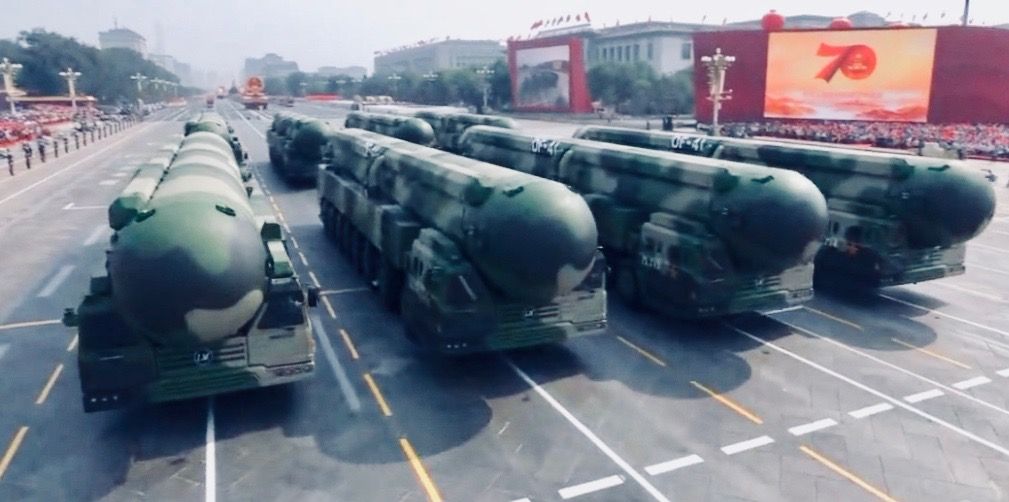
DF-41 Hypersonic Intercontinental Range Ballistic Missiles
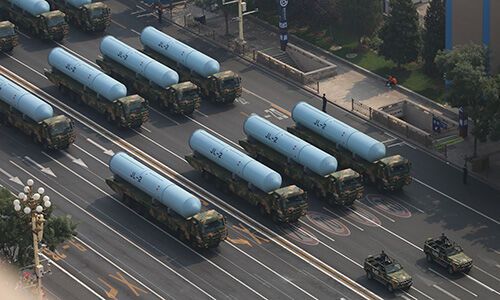
At the celebrations of the 70th anniversary of the People’s Republic of China, the Chinese People’s Liberation Army (PLA) unveiled a number of new pieces of high end hardware during a large scale parade in Tiananmen Square. Alongside new DF-17 hypersonic tactical missiles, WZ-8 hypersonic surveillance drones and Gongji-11 unmanned stealth bombers the PLA for the first time displayed its DF-41 hypersonic intercontinental range ballistic missiles. These followed older DF-31 and DF-5B ICBM designs as well as the JL-2 submarine based ICBMs, and represented the latest addition to the Chinese strategic arsenal - one which has reportedly been in service for well over two years.
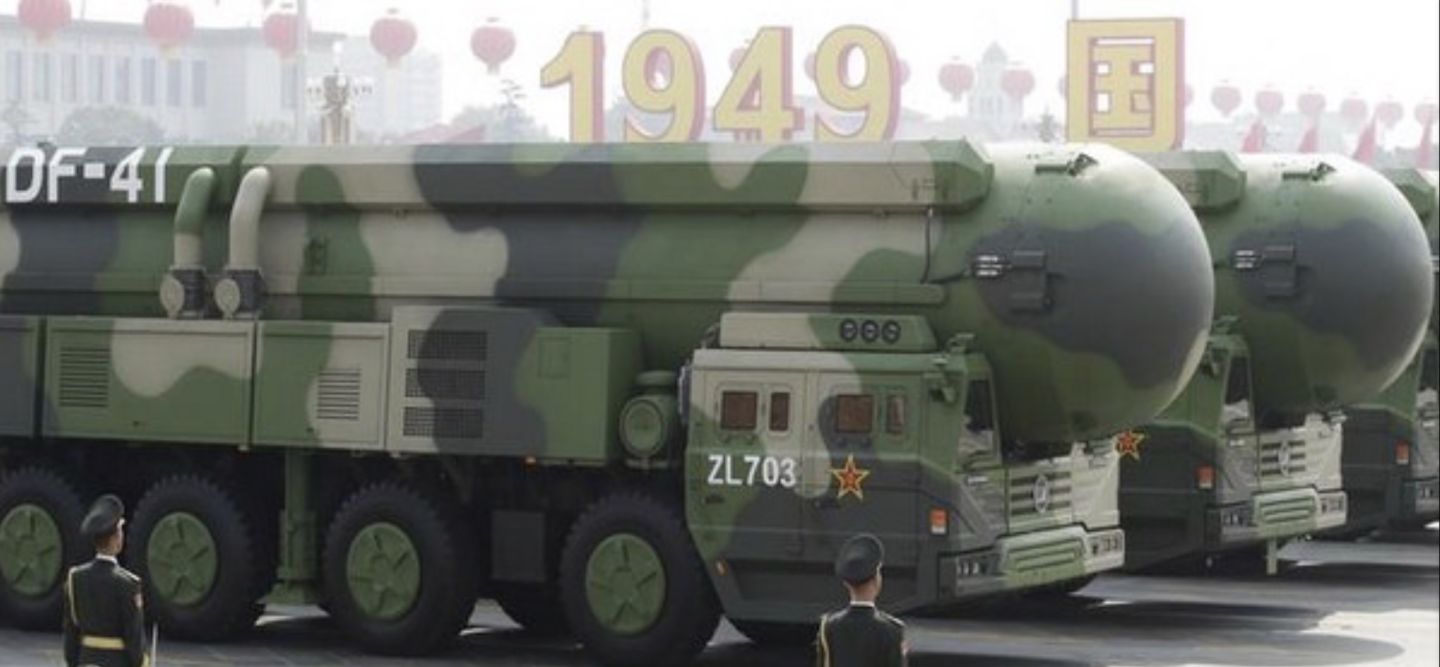
The DF-41 makes use of a solid fuel composite much like the American Minuteman III, meaning it can be stored fully fuelled and has a considerably shorter launch time than liquid fuelled missiles such as the Russian RS-28 Sarmat or North Korean Hwasong-15. The missile has the longest range of any ICBM in service outside Russia, and can reportedly carry up to a dozen thermonuclear warheads in its multiple reentry vehicle making strikes extremely difficult to intercept. The missiles are highly manoeuvrable in flight and are capable of impacting their targets at high hypersonic speeds, with a maximum speed of Mach 25. The platform’s ability to deliver nuclear strikes from China to the United States mainland in just thirty minutes has been strongly highlighted in Western media reports on the DF-41’s unveiling.
With the United States deploying ever more capable defence systems designed to intercept ICBM attacks, including not only the Ground-Based Midcourse Defence System on the U.S. mainland but also THAAD and AEGIS systems in East Asia to provide cuing information, the need to develop more capable ICBMs capable of more reliably delivering their payloads has grown. American plans to develop space based ballistic missile interceptors and integrate anti ballistic missile features on its new fighter jets have only increased the danger that the missile deterrents of China and other potential U.S. adversaries could be partially nullified. A rail based variant of the DF-41 is reportedly under development - as is a submarine launched ICBM derived from the design which has reportedly begun testing under the JL-3 program.
