
Ukraine Continues to Single Out S-400 Air Defences For Targeting: Russia’s Massive Production Scale Allows for Rapid Replacement
Military Watch Magazine Editorial Staff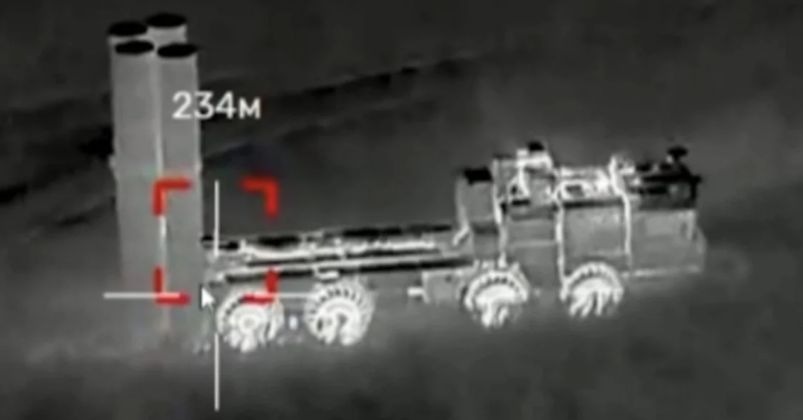
Launcher From S-400 System During Targeting
Ukrainian forces have reportedly destroyed two launchers belonging to Russia’s S-400 long range air defence system in a coordinated strike targeting the country’s air defence infrastructure. Ukraine’s Unmanned Systems Forces struck one S-400 launcher in Russia’s Bryansk region and another concealed launcher on the disputed Crimean Peninsula, while also reportedly damaging part of a Nebo-U early warning radar system. The destruction of two S-400 launchers represents a significant tactical achievement, as the system is among Russia’s most advanced and valuable air defence assets.
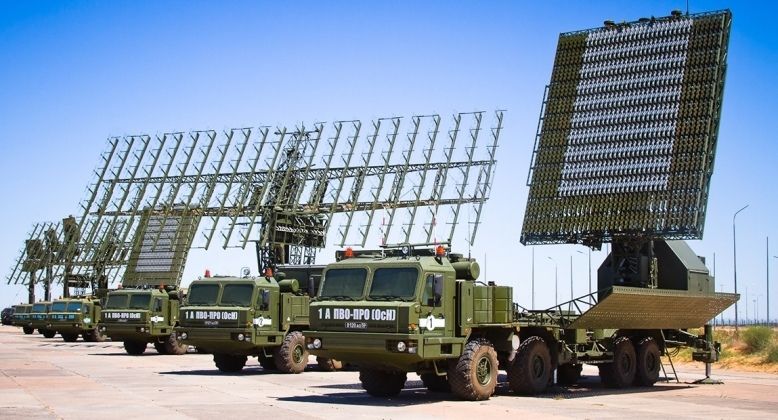
The S-400 is currently relied on as the backbone of the country’s air defence network, with more than twice as much funding having been allocated to procuring the systems over the last two decades as to procuring all types of fighter aircraft combined. The system has been extensively combat tested both in the Russian-Ukrainian War and in Indian-Pakistani border clashes, winning praise for its performance in both theatres, and in early July when deployed near Moscow saw its first ever combat use to intercept a strategic missile attack. While the destruction of launchers is a loss, a pair of destroyed launch vehicles represents only an eighth of an S-400 regiment’s overall arsenal, with each regiment having additional missiles beyond those in the launch tubes.
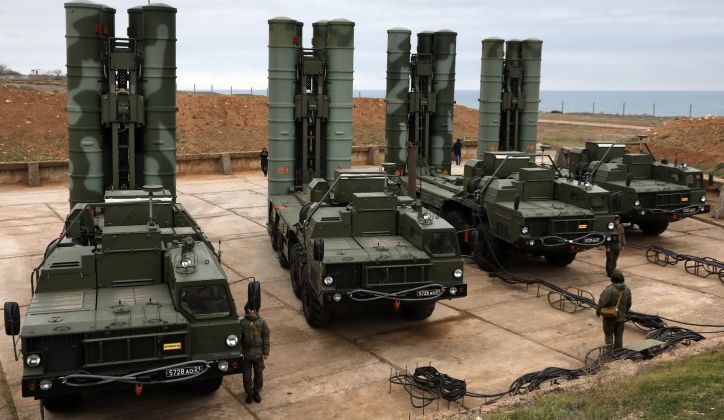
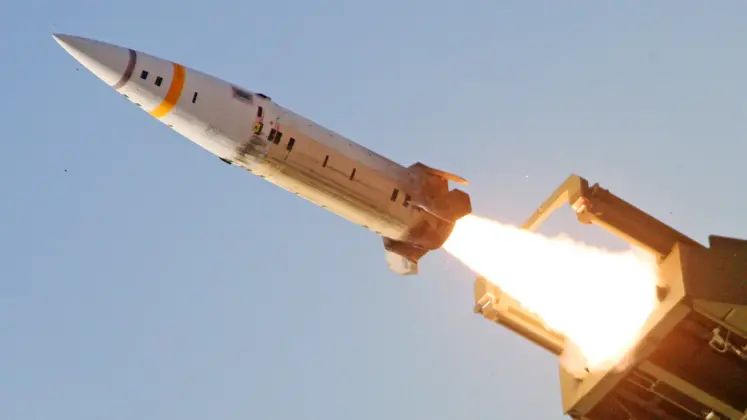
The Ukrainian Armed Forces have singled out components of the S-400 system for targeting, with examples of successful attacks having included an ATACMS missile strike on November 23, 2024, which destroyed two launchers in the Russian Kursk region, and a further strike two months later which destroyed a 92N6 detection radar near the city of Belgorod, also in Kursk. An attack in June 2025 targeted an S-400 system in Crimea, with footage released by Ukraine’s Main Directorate of Intelligence showing the destruction of two 92N2E multi-functional fire control radars, two 91N6E long range surveillance radars, and one surface-to-air missile battery. Ukraine’s ability to erode Russia’s air defence capabilities has been constrained by multiple factors, among them the significant successes achieved by Russian electronic warfare systems in rendering precision guided weapons such as ATACMS ballistic missiles ineffective for targeting.
The Ukrainian strikes highlight a broader evolution in modern warfare, as even highly capable air defence systems are increasingly vulnerable when operating against opponents with long-range precision strike capabilities. Drones, cruise missiles, and ballistic missiles can force air defence units to remain active for extended periods, increasing the risk that their locations will eventually be detected and targeted. Targeting S-400 systems directly reduces Russia’s ability to defend strategically significant areas, which is of key importance for Ukraine’s strategic partners in the Western world due to the extent to which the system is relied on to counter NATO air power.
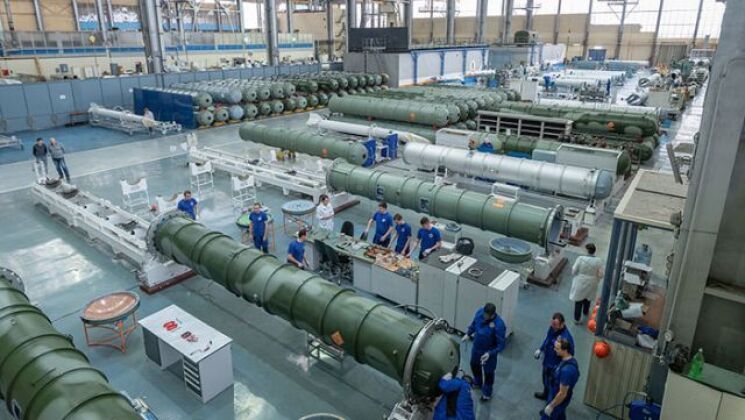
The destruction of the launchers is not expected to have a significant impact on the current war effort, however, as Russia fields S-400 systems in vast quantities and is producing them on an outstandingly large scale, leaving little chance of Ukraine alone significantly depleting the number of launchers in service. Although the S-400 initially proved difficult to produce, a program to support its production through revitalisation of the Russian missile industry was authorised by the Kremlin on August 25, 2000. This saw three major new facilities built including a new wing of the Obukhov Plant in St. Petersburg, the Avitek Plant in Kirov which was thoroughly modernised, and the NMP Plant in Nizhniy Novgorod. With work completed in the mid-2010s, the facilities between them contribute to a massive scale of production, allowing multiple regiments worth of S-400s to be produced annually. The output from these facilities allows Russia to simultaneously replenish losses, expand its arsenal, and continue exports.
